As a wine enthusiast who has lived in Spain for many years, I’m frequently asked by friends whether Chilean or Spanish wines offer better value and quality. Today I’d like to discuss the characteristics of wines from these two producing countries, hoping to provide some useful insights.
Regional Background and Terroir Differences
Chilean wine represents New World winemaking, with major regions concentrated in the Central Valley, Maipo Valley, and other areas. The climate here is relatively stable with abundant sunshine and significant day-night temperature variations, ideal conditions for grape ripening. Spain, as a traditional Old World wine-producing nation, boasts renowned regions like Rioja, Ribera del Duero, and Priorat, each with unique microclimates and soil conditions.
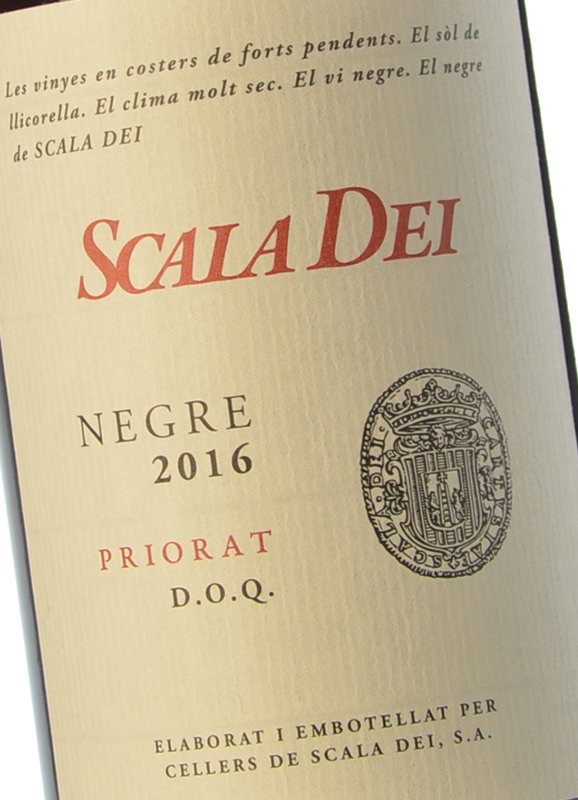
From a terroir perspective, Chilean vineyards predominantly employ modern cultivation techniques, pursuing consistent quality output. Spain places greater emphasis on traditional craftsmanship preservation, with many wineries boasting centuries of history and winemakers passing down ancient production secrets through generations.
Main Grape Variety Comparison
Both countries showcase distinct characteristics in grape variety selection:
| Chilean Main Varieties | Spanish Main Varieties |
|---|
| Cabernet Sauvignon | Tempranillo |
| Merlot | Garnacha |
| Carménère | Monastrell |
| Syrah | Bobal |
Chile’s Carménère can be considered their signature variety - this grape originally from Bordeaux, France, found perfect growing conditions in Chile. Spain’s Tempranillo is undoubtedly their national treasure variety, particularly Rioja Tempranillo wines, which possess unmatched elegance and complexity.
Flavor Profile Analysis
Overall, Chilean wines typically offer intense fruit aromas with relatively straightforward, approachable flavors suitable for beginners. Fresh berry flavors are characteristic of Chilean wines, with softer tannins and moderate acidity.
Spanish wines display much greater diversity, ranging from fresh young Rioja wines to robust aged wines from Ribera del Duero. Traditional Spanish wines often feature pronounced oak barrel influences, with complex aromatic layers including vanilla, tobacco, and leather notes.
Regarding value proposition, Chilean wines indeed offer solid advantages. At equivalent price points, Chilean wines typically provide more consistent quality assurance. Spanish wines offer a broader price range, from everyday table wines costing just a few euros to premium bottles exceeding one hundred euros, providing greater selection flexibility.
If you’re just beginning to explore wine, Chilean wines make an excellent choice. If you already have some foundation and wish to explore more complex flavor profiles, Spanish wines will offer more surprises. Of course, the best approach is to try various options and discover what suits your personal taste preferences.
