The Authentic Name of Spanish Fruit Wine
As a friend who has lived in Spain for many years, I want to share knowledge about Spanish fruit wine with everyone. Many people ask me what this colorful, refreshing fruit wine is called, and the answer is Sangria. This word comes from the Spanish “sangre,” meaning blood, named for the deep red color of the wine.
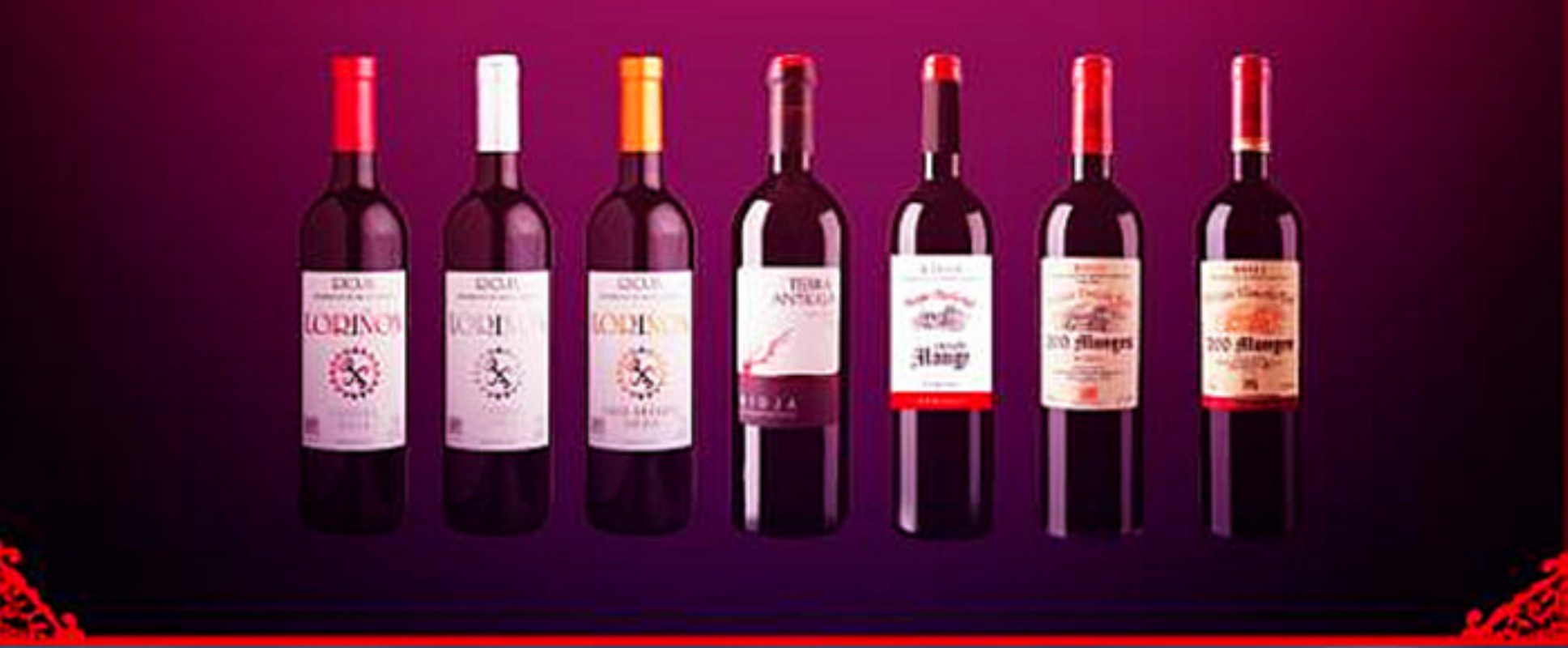
The Historical Origins of Sangria
Sangria has a long traditional history in Spain, dating back to the 18th century. At that time, Spaniards began adding various fruits and spices to ordinary red wine to make it more delicious. This practice not only improved the wine’s taste but also added nutritional value, quickly becoming popular among the people.
Particularly in the Andalusia region, Sangria became an indispensable drink for sangria wine summer gatherings and festive activities. Each family has its own unique recipe, passed down through generations.
Classic Sangria Preparation Method
Making an authentic glass of Sangria is actually not complicated, but requires mastering some key techniques. Here are the preparation steps I’ve summarized:
| Ingredient | Amount | Purpose |
|---|
| Red Wine | 750ml | Base |
| Orange | 1 piece | Aroma |
| Lemon | 1 piece | Acidity |
| Apple | 1 piece | Sweetness |
| Brandy | 50ml | Flavor enhancement |
First, choose a mid-priced Spanish red wine - it doesn’t need to be too expensive since other ingredients will be added. Wash and cut all fruits into pieces, making sure to keep the peels as they release more Spanish fruit wine fragrance. Put the cut fruits in a large glass pitcher, pour in the red wine and brandy, gently stir, then refrigerate for at least 2 hours.
Regional Variations of Sangria
While the red wine version is most classic, different regions of Spain have developed various variations. For example, in Catalonia, people prefer making the white version called Sangria Blanca, using white wine instead of red. In the Basque region, locals add some regional herbs and spices.
During summer, many bars also offer sparkling versions of Sangria, adding soda or champagne for a more refreshing taste. These innovations keep this traditional beverage vibrant and diverse.
Regardless of the version, Sangria carries Spanish people’s love for life and emphasis on gatherings. Next time you visit Spain or want to create a Spanish atmosphere at home, try making an authentic pitcher of Sangria - it will surely bring you a unique experience.
