With the weather getting cooler lately, it’s the perfect season for making fruit wine. As someone who has lived in Spain for many years, I’ve discovered that the fruit wine culture here is truly fascinating, with each family having their own unique recipe. Today I’ll share the method I learned from local friends.
Ingredient Preparation and Selection
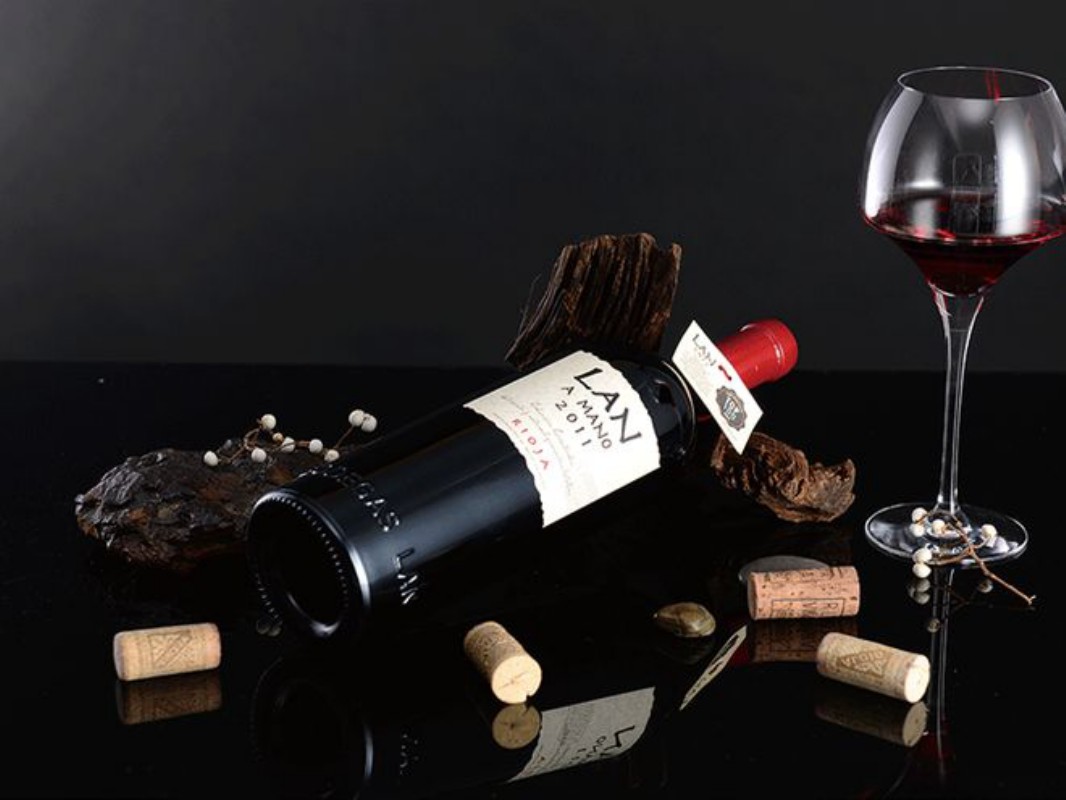
The materials needed for making Spanish fruit wine are actually quite simple. Wine selection is very important - I recommend using medium-priced dry red wine, not too expensive but don’t go too cheap either. For fruits, oranges, apples, and pears are the classic combination, with lemon used to adjust acidity. For spices, cinnamon sticks and cloves are essential, and some people also add star anise.
Detailed Sangria Making Steps
The process isn’t complex, but it does require patience. First, wash and cut the fruits into pieces - don’t peel them as the skin contains many aromatic compounds. Then pour the red wine into a large pot and heat gently without boiling, controlling the temperature around 60-70 degrees. Next, add the fruit pieces and spices, continuing to heat for 15-20 minutes. During this process, wonderful aromas will fill the air that even neighbors can smell.
The most crucial part is adding sugar. Spanish people typically use honey or brown sugar, adjusting sweetness according to personal preference. I personally prefer it slightly sweeter, adding about 3-4 tablespoons of honey per liter of wine. Never add white sugar as it will ruin the overall taste.
Ingredient Quantity Reference Table
| Ingredient | Amount |
|---|
| Red wine | 750ml |
| Orange | 1 piece |
| Apple | 1 piece |
| Lemon | Half |
| Cinnamon sticks | 2 pieces |
| Cloves | 3-4 pieces |
| Honey | 3-4 tablespoons |
Storage and Serving Suggestions
After completion, it’s best to strain out the fruit pulp and spices. Hot serving is the most traditional way, especially perfect for autumn and winter seasons. If you want to store it, keep it in the refrigerator for about a week, reheating each time before serving. Some people like to place an orange slice on the rim of the glass as decoration for a more ceremonial feel.
This fruit wine is called “vino caliente” in Spain, with slight variations in each region. People in Andalusia like to add a bit of brandy to increase alcohol content, while northern regions prefer adding more spices. Everyone can adjust the recipe according to their taste preferences - try it several times to find the version that suits you best, just like with Spanish fruit wine making.
