During Spain’s scorching summer months, nothing beats a glass of ice-cold fruit sangria for quenching thirst and cooling down. As a friend who has been living here for several years, I’d like to share some insights about making Spanish fruit wine and my experience with crafting fruit sangria.
Basic Preparation Method
Making fruit sangria isn’t complicated at all - it’s mainly about combining red wine, fruits, and some seasonings. I usually choose moderately priced Tempranillo or Garnacha red wine as the base, around 3-4 euros per bottle works perfectly. For fruits, oranges, lemons, and apples are essential, and in summer I add some peaches or berries.
Preparation Steps for Sangria and Proportions
The process is simple: first cut the fruits into small pieces and place them in a large glass pitcher, then pour in the red wine and add a small amount of brandy or rum for flavor enhancement. Finally, add appropriate amounts of syrup or honey to adjust sweetness, and refrigerate for at least 2 hours. Here’s my usual proportion table:
| Ingredient | Amount | Notes |
|---|
| Red wine | 750ml | Choose fruity varieties |
| Orange | 1 piece | Slice for use |
| Lemon | Half | Adds acidity |
| Apple | 1 piece | Dice for preparation |
| Brandy | 50ml | Optional addition |
Flavor Adjustment Tips
Flavor adjustment is key to successful preparation. If the alcohol content feels too strong, you can add some soda water or lemon soda to dilute it. For a more refreshing taste, I add plenty of ice cubes before serving, sometimes freezing fruit chunks instead of regular ice cubes - this way it doesn’t dilute the drink while maintaining low temperature.
Pairing Suggestions
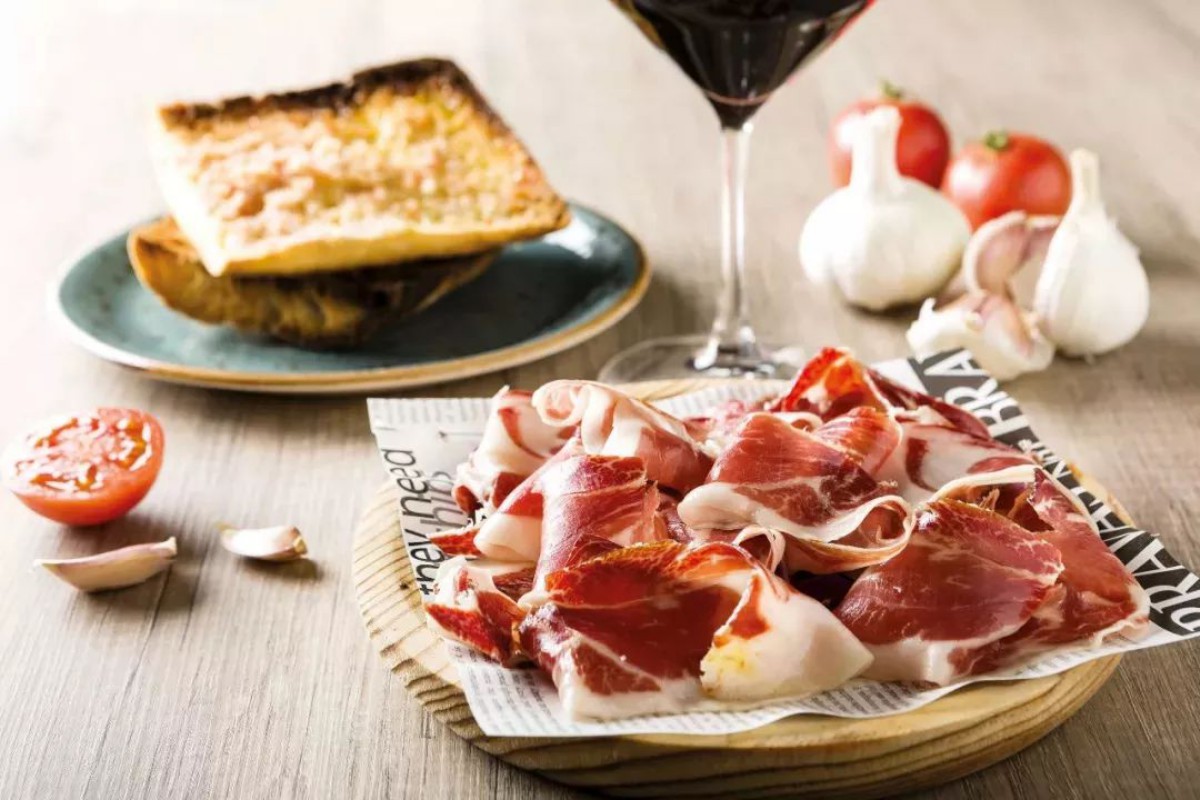
Fruit sangria is perfect for outdoor gatherings or dinner parties with friends. For accompaniments, I recommend pairing with some Spanish tapas, such as olives, ham slices, cheese platters, etc. During dinner time, it goes well with simple pasta or grilled fish. Remember not to drink on an empty stomach, especially in hot weather.
Making fruit sangria is a very practical skill for living in Spain. It’s low-cost, easy to make, and particularly suitable for the climate here. For those interested in Spanish fruit wine making, everyone is welcome to share other preparation tips or improvement suggestions in the comments.
