Spanish Bull Wine Authentication Guide
Recently while browsing several wine shops in Madrid, I discovered that counterfeit Spanish bull wines are becoming increasingly prevalent in the market. As a Bull King Wine wine enthusiast who has lived in Spain for five years, today I’ll share some practical identification techniques to help everyone avoid purchasing counterfeit products.
Packaging Appearance Detail Differences
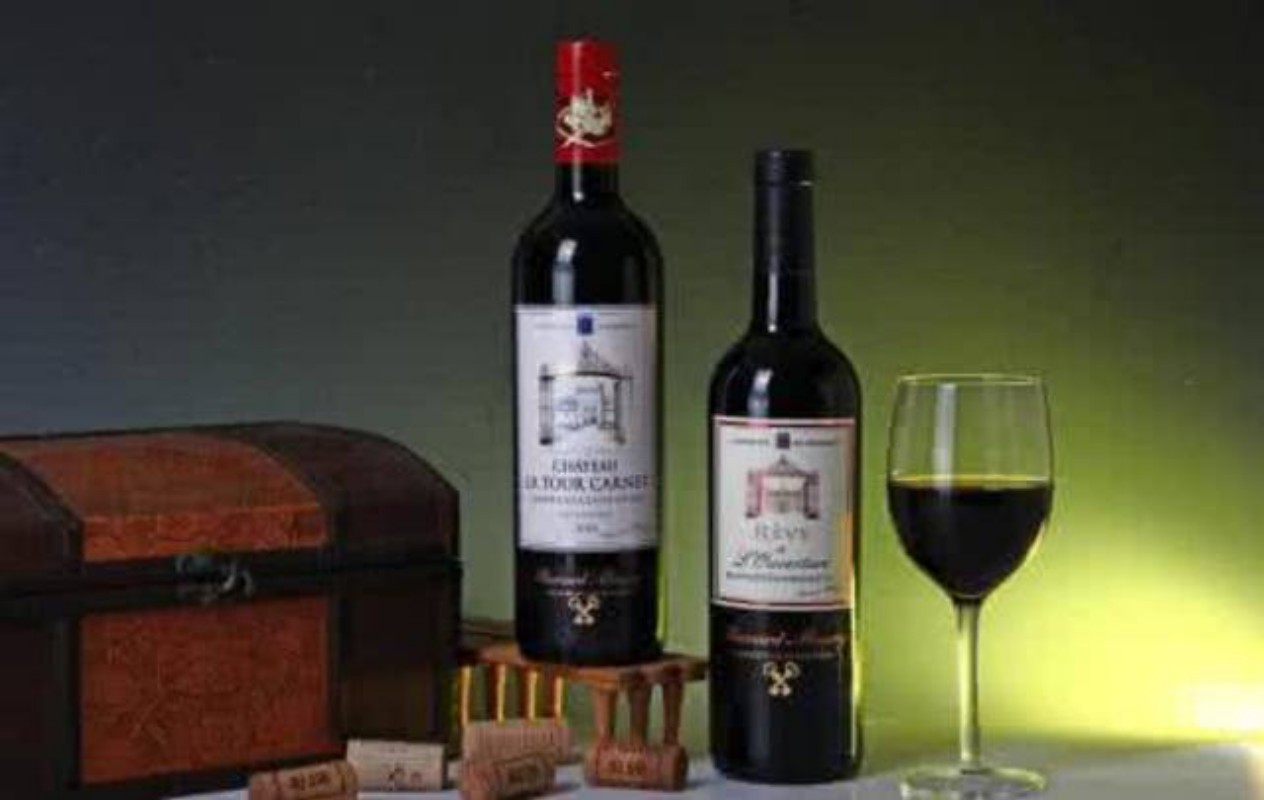
Authentic Spanish bull wine has several distinctive packaging characteristics. First, examine the wine label - genuine products feature smooth bull figure lines with rich colors, while counterfeits often have rough printing with pale colors. The glass bottle texture also differs, with authentic bottles having thick, uniform glass while fakes appear thin and lightweight. Additionally, the depth and shape of the bottle’s punt (bottom indentation) serves as an important reference - genuine products have deeper punts with rounded edges.
Price and Sales Channel Analysis
| Sales Channel | Authentic Price Range | Common Counterfeit Price |
|---|
| Professional Wine Merchants | 15-25 euros | Rarely found |
| Supermarkets | 12-20 euros | 8-12 euros |
| Online Platforms | 10-30 euros | 5-10 euros |
Be cautious of abnormally low prices, although occasional promotional activities occur, if prices remain consistently too low, it’s likely [Bull Blood Wine] counterfeits. I recommend purchasing from reputable professional wine merchants or well-known supermarkets.
Key Label Information Identification Points
Carefully observing the text information on wine labels is crucial. Authentic products display clear origin designations, alcohol content, vintage years and other information with crisp font printing. Some counterfeits deliberately blur this information, or use incorrect Spanish spelling. Additionally, genuine products typically feature anti-counterfeiting labels or special paper textures.
Taste and Aroma Differences
If you’ve already made a purchase, you can judge through Bull Wine VDM tasting. Authentic Spanish bull wine typically has rich fruit aromas, full-bodied taste, and long-lasting finish. Counterfeits often have thin mouthfeel, excessive alcohol taste, and lack complexity. However, this method requires certain wine tasting experience, making it potentially difficult for beginners to judge.
When purchasing Spanish bull wine, stay vigilant, choose reliable sales channels, carefully observe packaging details, and don’t be tempted by cheap prices. I hope these experiences help everyone, and welcome other friends to share more identification techniques.
