Having lived in Spain for many years, I’ve gained a deeper understanding of the local wine culture. Recently, at a winery tasting event in Madrid, I discovered several distinctive bull-themed red wines and wanted to share this unique wine culture phenomenon with everyone.
The Use of Bull Elements in Red Wine Packaging
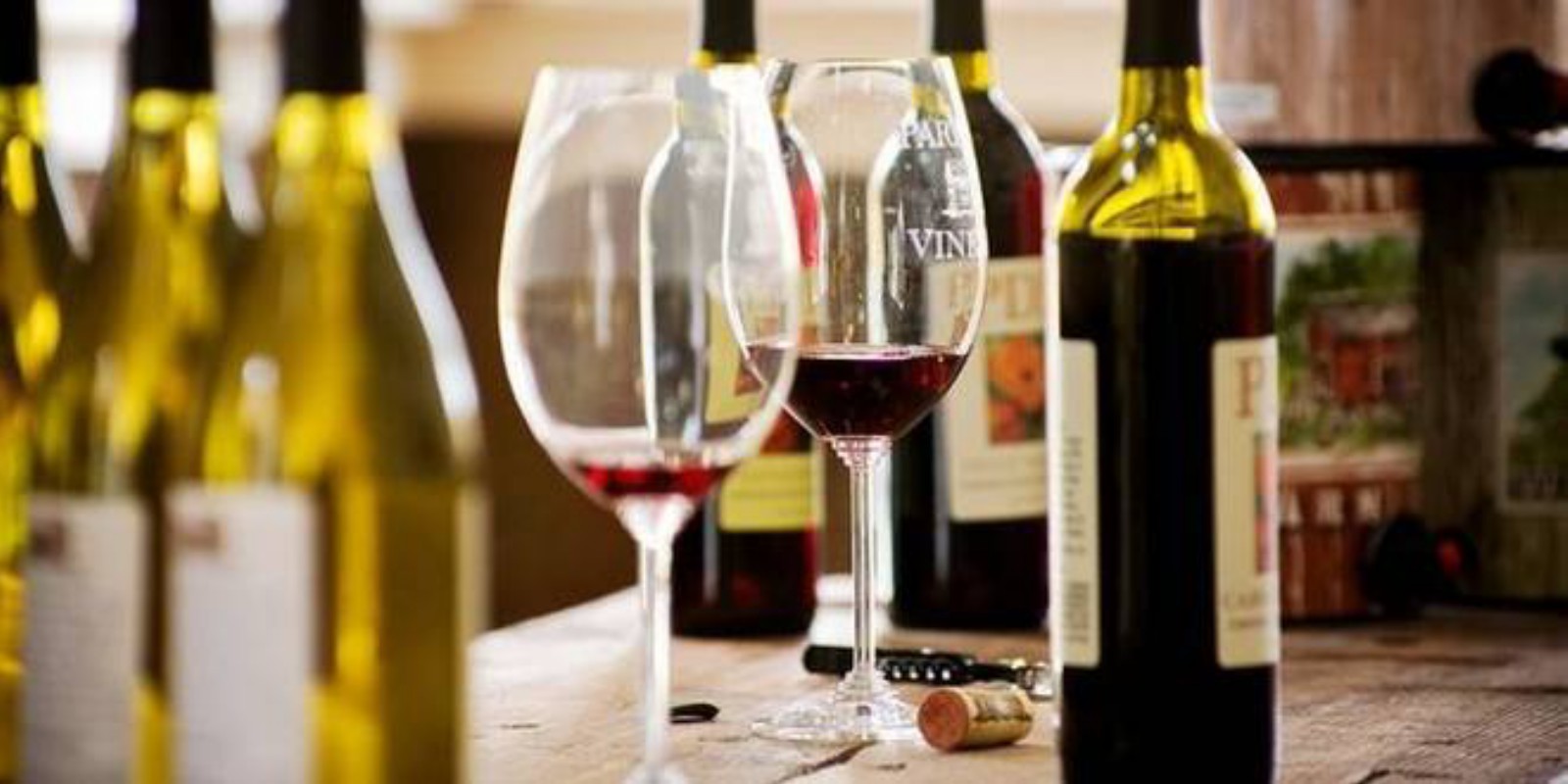
Spain’s bullfighting culture is deeply rooted in this land, and many wineries cleverly incorporate this traditional element into their red wine packaging design. From wine labels to bottle shapes, from deep brownish-red tones to powerful line designs, these bull-themed red wines are not just beverages, but works of art. Especially several brands from the Andalusia region perfectly combine the images of flamenco dancers and bullfighters, showcasing Spain’s unique cultural charm.
Quality Characteristics and Regional Distribution
From a quality perspective, these bull-symbol red wines are mainly concentrated in several premium regions. Rioja, Ribera del Duero, and Priorat are the main production areas, each with its own unique terroir conditions. After field visits and tastings, I’ve compiled a comparison of the main regions for [rb symbol red wine]:
| Region | Main Grape Varieties | Flavor Profile | Price Range |
|---|
| Rioja | Tempranillo | Elegant balance, [Spanish wine award symbols] intense oak aroma | 15-80 euros |
| Ribera del Duero | Tempranillo | Rich and full-bodied, prominent fruit aroma | 20-120 euros |
| Priorat | Garnacha, Carignan | Strong mineral character, rich layers | 25-200 euros |
These red wines typically use traditional winemaking processes, with generally longer oak barrel aging periods, giving the wine body more complex aromatic layers. During tasting, one can clearly feel the passion of Spanish sunshine and the richness of the land.
Collectible Value and Investment Prospects
From a collecting perspective, bull-themed red wines have unique cultural value. Especially some limited editions, which not only have excellent wine quality but also highly artistic packaging designs. Although prices are relatively high, considering their cultural significance and rarity, they still have good collecting potential. Some experienced collectors believe that these themed wines will gain greater attention as Spanish culture spreads globally.
Pairing Suggestions and Tasting Insights
For daily consumption, these red wines pair excellently with traditional Spanish cuisine. Whether it’s Iberian ham, roasted lamb, or paella, they can find the perfect balance point. I recommend controlling the tasting temperature at 16-18 degrees Celsius and using professional wine glasses to better release the wine’s aroma. I personally love to slowly savor this passion from the Iberian Peninsula in the evening, accompanied by sunset and gentle flamenco music.
For friends just getting acquainted with Spanish red wines, including those interested in [Spanish wine bear symbols], I recommend starting with mid-range products and gradually developing knowledge and preferences for these wine styles. After all, every bottle of bull-symbol red wine carries profound cultural heritage, worthy of our careful appreciation and exploration.
