As a wine enthusiast who has lived in Spain for many years, I’ve discovered that many friends are still unfamiliar with the regional classification system of Spanish wines. Today I’d like to discuss this topic in detail, hoping it will help everyone when purchasing wines.
Overview of Spanish Wine Classification System
Spain’s wine classification system is relatively comprehensive, divided into four main levels. The highest level is DOCa, currently only awarded to two regions: Rioja and Priorat. Next is DO, which is Spain’s most common quality region designation. Below that is IGP, equivalent to geographical indication protection. The most basic level is Vino de Mesa, or table wine grade.
Premium DOCa Regions Explained
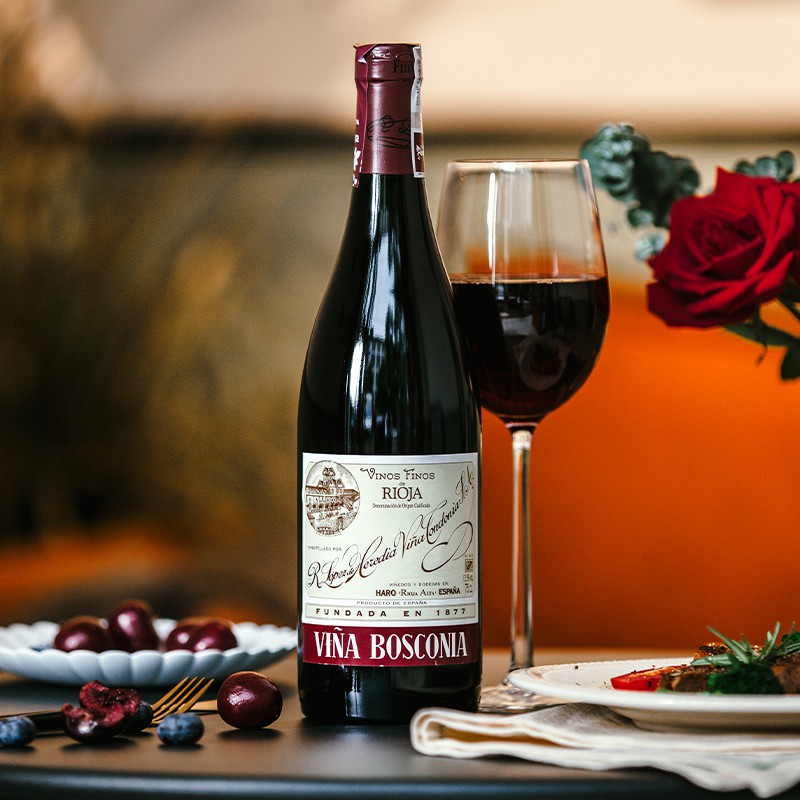
DOCa level represents the highest standard of Spanish wines. Rioja, as Spain’s most famous wine region, primarily uses Tempranillo grapes to produce wines with elegant tannins and complex aromatic layers. Priorat is renowned for its unique slate soils and steep terrain, producing intensely concentrated wines with prominent mineral characteristics.
| Region Name | Main Grape Varieties | Characteristic Style |
|---|
| Rioja | Tempranillo, Garnacha | Elegant and balanced |
| Priorat | Garnacha, Cariñena | Intense and powerful |
Diversity of DO Regions
Spain has nearly 70 DO regions, each with its own distinctive character. For instance, Ribera del Duero is famous for red wines made from Tempranillo grapes, featuring full body and excellent aging potential. Toro region produces more robust and powerful wines, perfect for pairing with grilled meats and other bold-flavored dishes. While Jerez is renowned for sherry, it also produces quality red wines.
When purchasing Spanish wines, I recommend carefully checking the regional designation labels on the bottle. Authentic DO or DOCa level wines will clearly display relevant certification information on their labels. Price-wise, DOCa level wines typically start from 20 euros, while quality DO wines generally range from 10-30 euros, offering excellent value for money. For those new to Spanish wines, I suggest starting with young Rioja wines and gradually exploring the flavor profiles of different regions.
