Recently discovered several Spanish red wines featuring eagle emblems at a wine specialty store in Madrid. As a wine enthusiast who has lived here for many years, I’d like to share my knowledge and tasting experience with these wine varieties.
Symbolism of the Eagle Emblem
In Spanish wine culture, the eagle emblem typically represents strength, nobility, and tradition. Many historic wineries choose the eagle as their rb emblem wine brand identifier, reflecting not only the winery’s historical heritage but also symbolizing their commitment to quality. Eagle emblem wines often originate from wineries with deep traditions, mostly distributed across renowned regions like Rioja and Ribera del Duero.
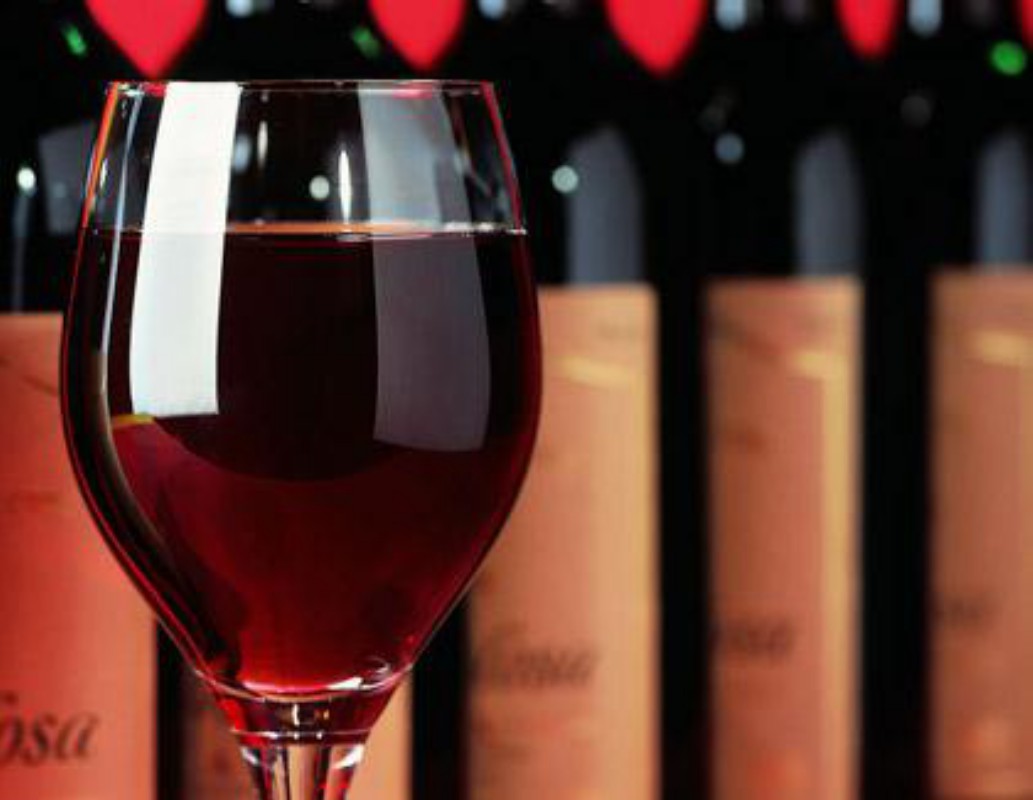
Eagle emblem wines from different regions show distinct flavor characteristics. Rioja region eagle emblem wines typically feature rich oak barrel aromas with full-bodied taste, while those from La Mancha region lean more toward fruity profiles with relatively affordable prices. I personally recommend beginners start with eagle emblem wines from the La Mancha region.
Tasting Techniques and Purchasing Recommendations
When selecting eagle emblem wines, I’ve found vintage year and storage conditions are two key factors. Generally speaking, 2018-2020 vintage wines are currently at their optimal drinking period with the best flavor balance. Regarding storage, I recommend choosing wines that have been consistently preserved in temperature-controlled environments, avoiding purchases of wines stored under direct sunlight or varying temperatures.
| Region | Price Range | Main Features | Recommended Pairings |
|---|
| Rioja | 15-45 | Oak-aged, rich tannins | Red meat, cheese |
| Ribera del Duero | 20-60 | Fruity, complex structure | Grilled meat, game |
| La Mancha | 8-25 | Great value, fresh taste | Light dishes, seafood |
Tasting should be conducted at room temperature of 18-20 degrees, with decanting time controlled between 30 minutes to 1 hour. My personal experience shows that older vintage eagle emblem wines require longer decanting time to release complex aromatic layers.
Food Pairing Insights
Through multiple trials, I’ve discovered that eagle emblem wines pair best with traditional Spanish cuisine. For instance, Rioja region eagle emblem wines paired with Iberian ham create a perfect combination, as the wine’s tannins excellently balance the ham’s richness. Ribera del Duero eagle emblem wines are better suited for pairing with heavily flavored dishes like roasted lamb or braised beef.
Some friends might find wine pairing complex, but mastering basic principles is sufficient: pair robust wines with heavy flavors, light wines with delicate foods. For daily consumption, I recommend choosing eagle emblem wines with alcohol content between 13-14%, which allows you to appreciate the wine’s complexity without being overly heavy. You might also be interested in learning about Spanish wine bear emblems and Spanish wine award labels.
Finally, since everyone has different taste preferences, I suggest starting with small bottles or single glass tastings at restaurants to find your preferred style before considering full bottle purchases. Spanish eagle emblem wines generally offer excellent value and are a great choice for exploring Spanish wine culture.
