Recently traveled to the Rioja region and visited several famous wine castles - absolutely breathtaking experience. As someone living in Spain for years, my previous knowledge of local wines was quite superficial, but this field exploration gave me a completely new appreciation for Spanish wine.
The Amazing Journey at Marqués de Riscal Winery
First stop was Marqués de Riscal winery, established in 1858 and truly a benchmark in the Rioja region. The architecture itself is remarkable, especially the hotel designed by Frank Gehry, with its metallic wave-like exterior gleaming in the sunlight. Our guide explained this winery was the first in Rioja to adopt Bordeaux winemaking techniques, still maintaining traditional methods today.
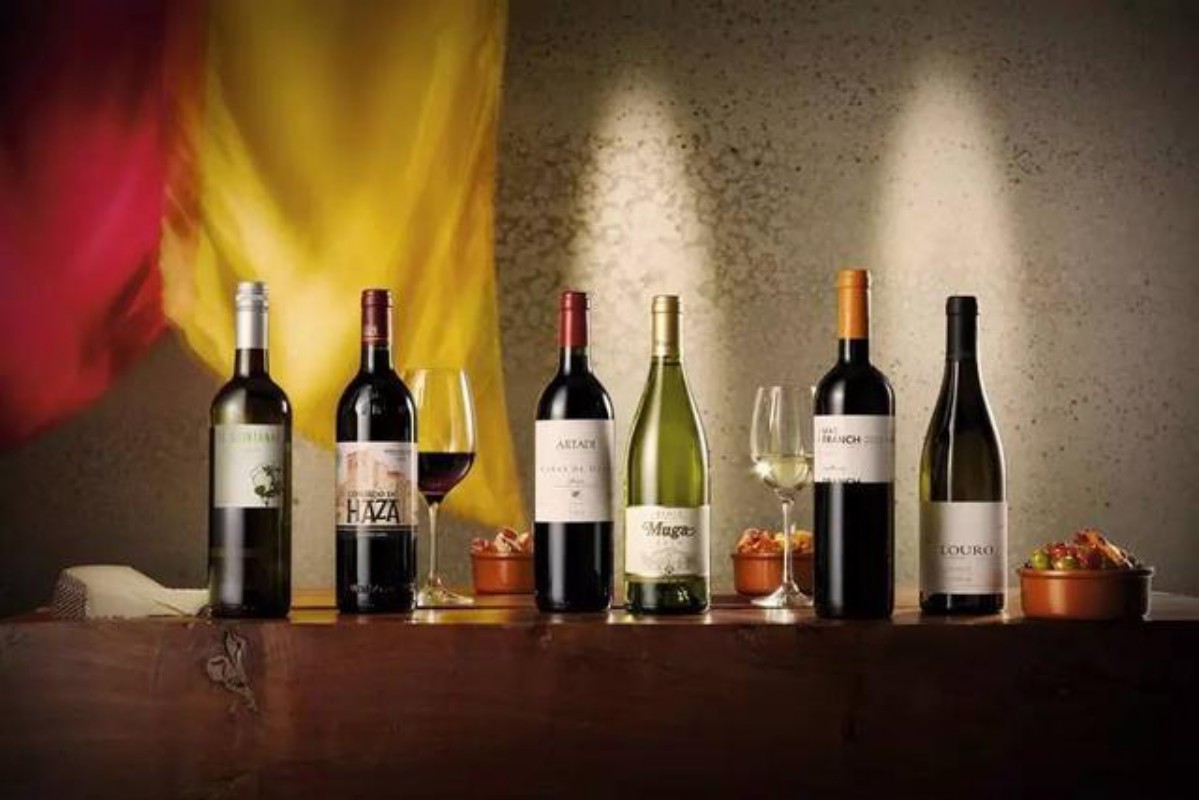
The wine tasting was most impressive - their Gran Reserva 2016 vintage had complex layers, with blackberry, vanilla and tobacco aromas intertwining, smooth tannins on the palate with a long finish. Pricing is quite accessible, with basic selections available for 15-20 euros.
Comparison of Different Wineries
After visiting several wineries, I compiled a simple comparison table:
| Winery Name | Founded | Signature Wine | Tour Price |
|---|
| Marqués de Riscal | 1858 | Gran Reserva | 25€ |
| Marqués de Cáceres | 1970 | Crianza | 15€ |
| Lan | 1972 | Reserva | 20€ |
| López de Heredia | 1877 | Viña Tondonia | 30€ |
Lan Winery’s Modern Winemaking
Lan winery, though established later, features quite modern equipment. The entire production facility uses temperature-controlled fermentation tanks, unlike some traditional wineries still using wooden barrel fermentation. The young and energetic winemaker here detailed how they balance traditional craftsmanship with modern technology.
Their Reserva series offers excellent value, with quality wines available for 12-15 euros. The winery also has its own restaurant where you can dine while wine tasting, paired with local Iberian ham and Manchego cheese - simply perfect.
What surprised me most was López de Heredia winery, established in 1877 and still maintaining 19th-century winemaking methods. Those dust-covered old bottles in the cellar each seem like witnesses to history. Though tour fees are slightly higher, it’s absolutely worth it. Their Viña Tondonia white wine is particularly outstanding, aged in oak barrels for over 10 years with incredibly complex flavors.
This Rioja winery tour made me deeply appreciate Spanish wine’s charm - not just the wine quality itself, but the historical culture these castle-like wineries embody. If you have the opportunity, I highly recommend experiencing it firsthand - I’m sure you’ll be as rewarded as I was.
