As a wine enthusiast who has lived in Spain for seven years, I’d like to share some insights about [Spanish red wine flavor profiles]. Spain, being the world’s third-largest wine producer, offers red wines with fascinating diversity and complexity in terms of [Spanish red wine flavor layers].
Basic Flavor Characteristics of Spanish Red Wines
Spanish red wines can be described as extremely diverse in flavor. From light and fresh to rich and full-bodied, from intensely fruity to prominently oaked, different regions and winemaking techniques create distinctly different tasting experiences. Overall, Spanish red wines generally possess good balance, moderate acidity, and gentle tannins, making them suitable for both solo enjoyment and pairing with various cuisines.
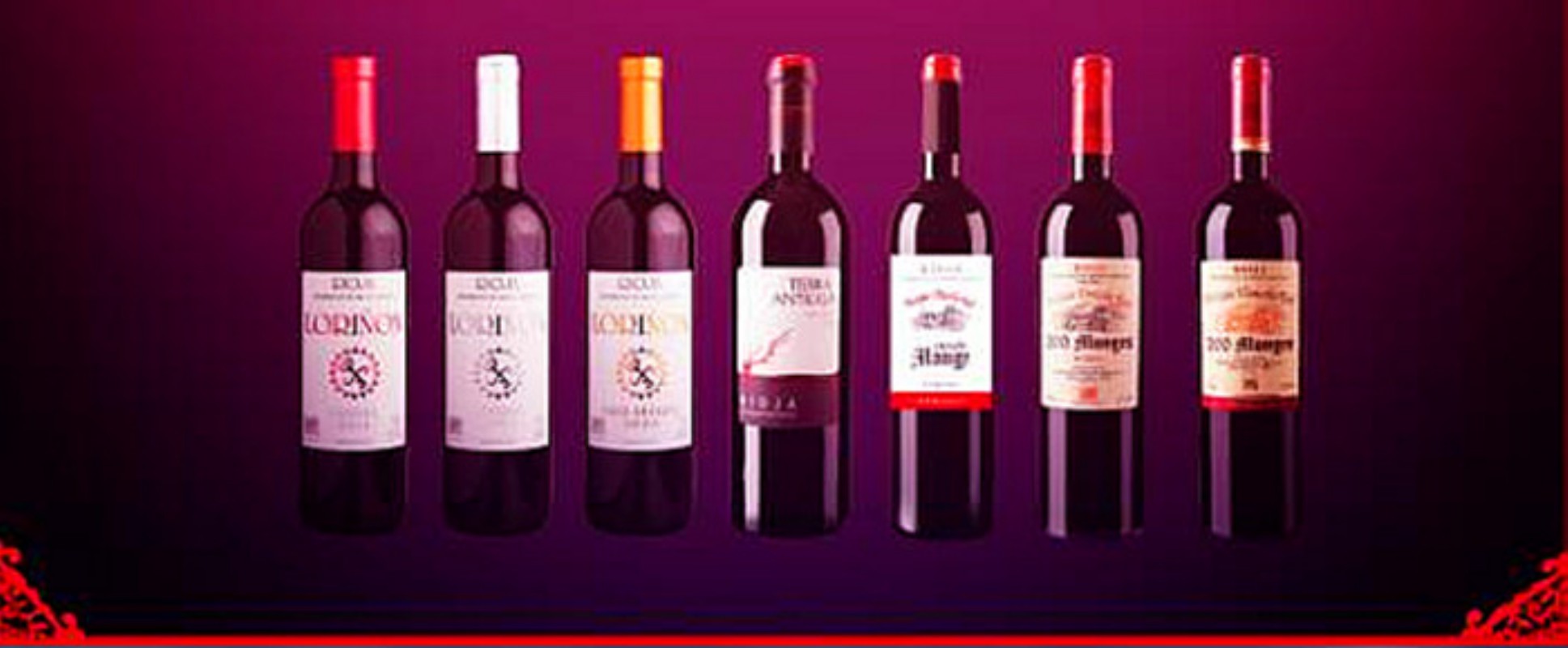
Regional Flavor Profile Comparison
Different wine regions indeed show distinct flavor differences. I’ve compiled a simple comparison table:
| Region | Main Varieties | Flavor Characteristics | Body |
|---|
| Rioja | Tempranillo | Elegant balance, prominent oak notes | Medium to Full |
| Ribera del Duero | Tempranillo | Rich and powerful, outstanding fruit flavors | Full |
| Priorat | Garnacha, Cariñena | Strong mineral notes, high complexity | Full |
| Jumilla | Monastrell | Intense spice, robust tannins | Full |
Tasting Techniques and Sensory Experience
When tasting Spanish red wines, I recommend following the look, smell, taste approach. First, observe the wine’s color depth and clarity - young Spanish reds typically display deep purple-red hues, while aged wines tend toward brick-red tones. Regarding aroma, Spanish red wines often present rich fruit notes like blackcurrant, cherry, and plum, while potentially offering complex aromas of vanilla, tobacco, and leather found in [Spanish red wine varieties].
When tasting, pay attention to how the wine evolves in your mouth. The first impression upon entry often determines the overall evaluation of the wine. Quality Spanish red wines enter smoothly, display fullness in the mid-palate, and offer long-lasting finish. Particularly Rioja wines, after oak aging, develop distinctive vanilla and smoky notes that create perfect balance with fruit flavors.
Pairing Suggestions and Serving Temperature
Spanish red wines offer extensive pairing possibilities. Light-bodied reds pair well with roasted chicken and pasta dishes, while full-bodied wines better complement lamb, cheese, and other robust flavors. I used to always treat red wine as an after-dinner drink, but later discovered that food pairing yields better results.
Serving temperature is also crucial, generally recommended between 16-18 degrees Celsius. Too cold suppresses aroma release, while too warm makes alcohol overly prominent. I usually remove wine from the cellar an hour before serving, allowing it to gradually reach the ideal temperature.
The charm of Spanish red wines lies in their rich layered complexity and regional character. Whether beginners or seasoned enthusiasts, everyone can find their perfect match among Spanish red wines. I hope my insights help you better understand and appreciate the unique appeal of Spanish red wines.
