The Unique Charm of Spanish Red Wine Grapes
As the world’s third-largest wine producer, Spain boasts an astonishing diversity of grape varieties. From the cool northern regions of Rioja to the hot southern areas of Andalusia, different climatic conditions have nurtured distinctive red wine grape varieties. Today, let’s explore these grape stars that have made Spanish red wines world-renowned.
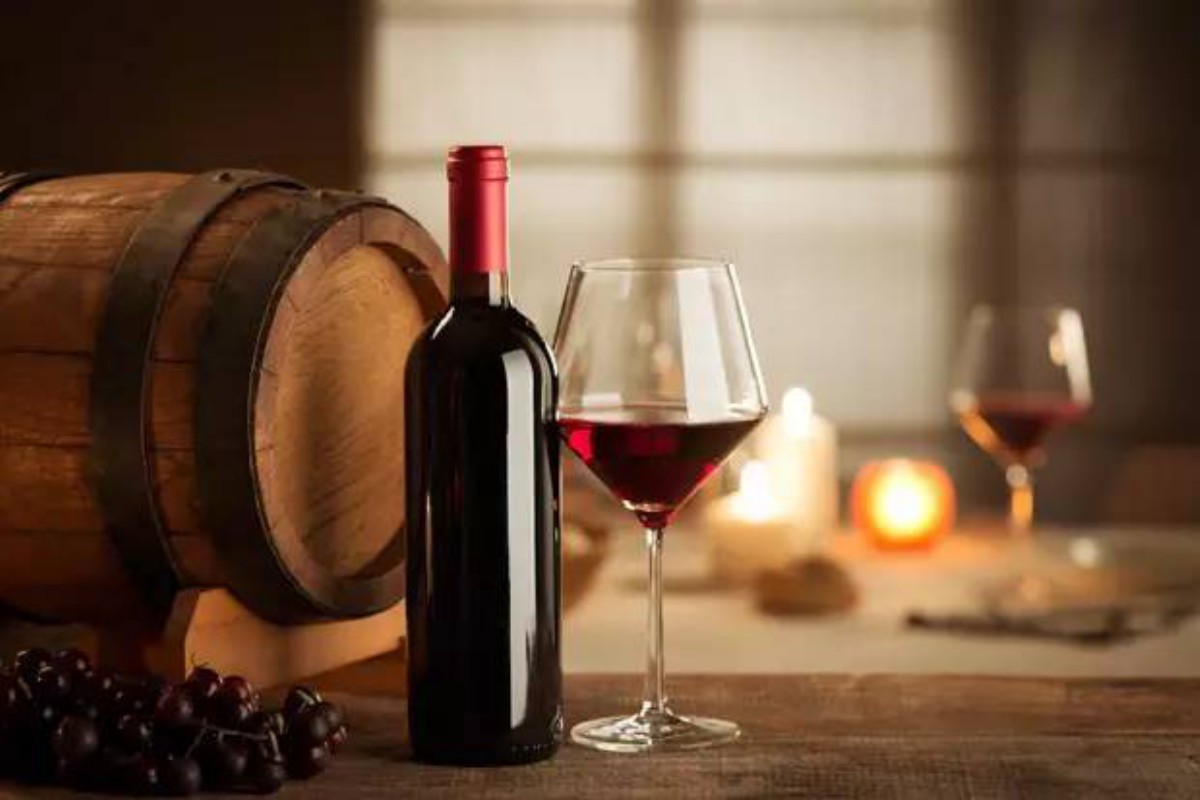
Tempranillo: Spain’s National Treasure Variety
When discussing Spanish red wine, Tempranillo is undoubtedly the undisputed king. This variety accounts for the majority of Spain’s red wine production, particularly excelling in the Rioja and Ribera del Duero regions. The name Tempranillo comes from “temprano,” meaning “early,” because it ripens earlier than other varieties.
Tempranillo grapes are characterized by relatively thick skins, moderate tannin content, and balanced acidity. Red wines made from this variety typically display deep red color with aromas of red berries, cherries, and plums. After oak barrel aging, they develop complex notes of vanilla, coconut, and tobacco. Young Tempranillo wines are fruit-forward, while aged versions showcase more elegant leather and earthy characteristics.
Other Important Red Wine Grape Varieties
Besides Tempranillo, Spain has many other noteworthy red wine grape varieties. Garnacha is another important variety, especially in the Aragon and Catalonia regions. This variety thrives in dry, hot climates, producing wines with higher alcohol content, full body, and intense red fruit and spice flavors.
| Grape Variety | Main Regions | Characteristics |
|---|
| Tempranillo | Rioja, Ribera del Duero | Balanced elegance, strong aging potential |
| Garnacha | Aragon, Catalonia | High alcohol, intense fruit flavors |
| Bobal | Utiel-Requena | Deep color, rich tannins |
| Mencía | Bierzo | Delicate finesse, pronounced minerality |
Bobal is primarily grown in the Utiel-Requena region, renowned for its deep color and rich tannins. Traditionally used to enhance color and structure in blends, more wineries are now crafting single-varietal Bobal wines to showcase its unique personality. Mencía is the gem of the northwestern Bierzo region, producing red wines that are not as heavy as Tempranillo but instead display a more delicate and refined style.
Terroir Influence
Spain’s complex terrain and diverse climate provide ideal conditions for different grape varieties through [Spanish grape varieties]. From Atlantic-influenced humid climates to Mediterranean dry heat, from lowlands below 100 meters to highlands exceeding 1000 meters elevation, each terroir leaves unique marks on the grapes. For instance, Rioja’s Tempranillo maintains good acidity due to Atlantic climate influence, making it suitable for long-term aging, while grapes from La Mancha develop more concentrated flavors due to extreme continental climate.
By understanding these characteristics of Spanish red wine grapes through Spanish red wine identification, we can not only better appreciate the story behind each bottle of Spanish red wine but also make more informed purchasing decisions. Each variety has its unique charm, and it’s precisely this diversity that has given [Spanish red wine] an important position in the international market.
