As a red wine enthusiast who has lived in Spain for many years, I’d like to share some insights about Spanish Tempranillo red wine today. During a recent visit to a winery in Madrid, I was deeply impressed by this unique red wine and felt it necessary to exchange experiences with fellow forum members about [Spanish grape varieties].
What is Tempranillo Red Wine
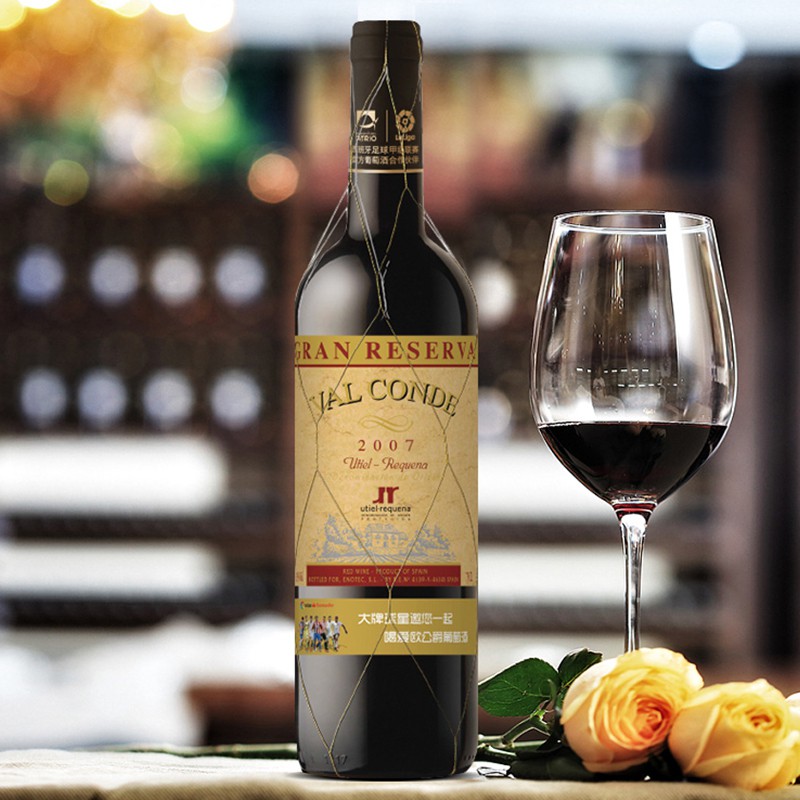
Tempranillo is one of Spain’s most important native red wine grape varieties, known by different names across various regions. This grape is highly prized for its intense fruit aromas and moderate acidity, making it ideal for producing high-quality red wines. Tempranillo red wines typically display deep red hues, moderate tannins, and complex layered flavors.
Major Regional Distribution
Spanish Tempranillo is primarily distributed across several important regions, each with unique terroir conditions:
| Region | Characteristics | Representative Wine Styles |
|---|
| Rioja | Traditional oak barrel aging | Elegant balance, rich fruit aromas |
| Ribera del Duero | High altitude, large day-night temperature differences | Structured tightness, strong tannins |
| Toro | Hot, dry climate | Full-bodied, high alcohol content |
| La Mancha | Continental climate | Prominent fruit flavors, affordable prices |
Tasting Techniques and Methods
When tasting Tempranillo red wine, I recommend following these steps for [Spanish red wine identification]. First, observe the wine’s color - quality Tempranillo should display deep ruby red hues. Then gently swirl the glass and smell the aromas, typically revealing red berry fruits, vanilla, and subtle spice notes.
When tasting, pay attention to the wine’s balance - Tempranillo’s acidity and tannins should be harmoniously unified, without any jarring sensations. A long, layered finish is an important characteristic of high-quality Tempranillo wines.
Perfect Food Pairings
Tempranillo’s versatility allows it to pair with various traditional Spanish dishes. While some believe red wine only suits meat dishes, Tempranillo actually offers an incredibly wide pairing range.
Roasted lamb, Iberico ham, or traditional Spanish beef stew make excellent choices. For vegetarians interested in [Spanish red wine], try pairing with roasted vegetables or rich tomato-based stews, which equally showcase the wine’s charm.
Collection and Storage Recommendations
For those interested in collecting Tempranillo wines, I suggest choosing vintage wines from renowned regions and wineries. Store at consistent temperatures, avoid direct sunlight, and maintain 60-70% humidity.
Generally, quality Tempranillo wines can be stored for 10-20 years, developing more complex aromas and flavors over time. However, not all Tempranillo wines suit long-term cellaring - young, easy-drinking styles are best enjoyed within 3-5 years.
