The Legacy Path of Spanish Wine Masters
As a wine enthusiast who has lived in Spain for many years, I’ve been fortunate to meet numerous local winemaking masters. Their dedication and passion for wine truly leave a lasting impression. Today, I’d like to share some stories and winemaking wisdom from these Spanish wine masters I’ve encountered.
Guardians of Traditional Craftsmanship
In the Rioja region, I met Don Carlos, a winemaker with over 40 years of experience. He told me that truly great wine isn’t made with complex equipment, but requires feeling the condition of each grape with your heart. His winery still maintains traditional fermentation methods, using oak barrel aging with strict control over every step.
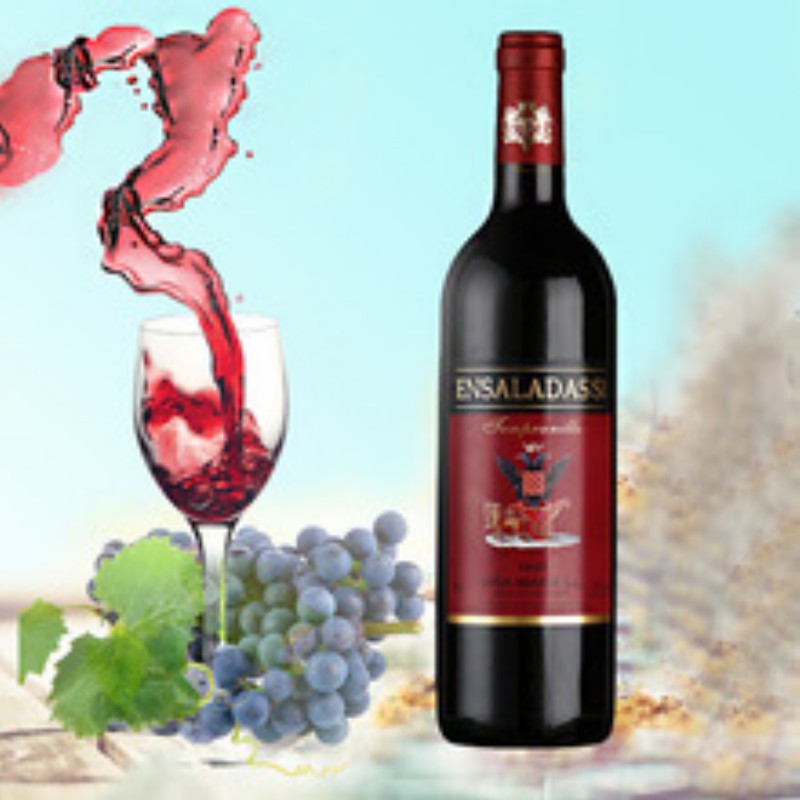
What I most admire about these masters is their understanding of Tempranillo grapes. Tempranillo is Spain’s pride, but mastering it is no easy task. Temperature control, fermentation timing, oak barrel selection - every detail affects the final taste. Here’s a comparison of key characteristics from major wine regions I’ve compiled:
| Region | Main Variety | Style Characteristics | Aging Potential |
|---|
| Rioja | Tempranillo | Elegant and balanced | 10-20 years |
| Ribera del Duero | Tempranillo | Rich and powerful | 15-25 years |
| Priorat | Garnacha | Mineral complexity | 8-15 years |
Fusion of Modern Technology and Tradition
Today’s Spanish winemaking masters don’t reject modern technology, but they understand how to avoid blindly chasing trends, instead combining traditional wisdom with scientific methods. For temperature control, they use precision equipment, but fermentation rhythm still follows ancestral experience.
Most interesting is that these masters each have their unique wine tasting methods. They don’t just taste - it’s more like conversing with the wine. Through observing the wine’s color, analyzing aromatic layers, and evaluating taste balance, they can determine a wine’s potential and optimal drinking time. Understanding Spanish wine prices helps in this assessment process.
Deep Attachment to the Land
Spanish wine masters share one common trait: a deep attachment to the land. They often say “wine is the expression of the land,” where each vineyard’s microclimate and soil composition influences grape quality. This understanding and respect for the terroir concept gives Spanish wines their unique personality and charm.
If you’re interested in Spanish wine culture, I recommend starting with Rioja’s Crianza level wines, which capture the essence of traditional craftsmanship at accessible prices. I hope these insights are helpful, and welcome fellow wine enthusiasts to share their own tasting experiences!
