Just returned from Pamplona and still immersed in that adrenaline-pumping excitement! As a longtime forum user who has lived in Spain for five years, I finally mustered the courage this year to participate in the legendary Wine Running of Bulls Festival, and I want to share this unforgettable experience with everyone.
When talking about Spain’s Running of Bulls, everyone immediately thinks of Pamplona’s San Fermín Festival. But what truly makes this festival so captivating isn’t just the thrilling bull running activity, but also the accompanying wine culture. Every year from July 6th to 14th, the entire city of Pamplona is immersed in a sea of red, with people dressed in white clothing and red sashes, holding red wine, celebrating wildly in the streets.
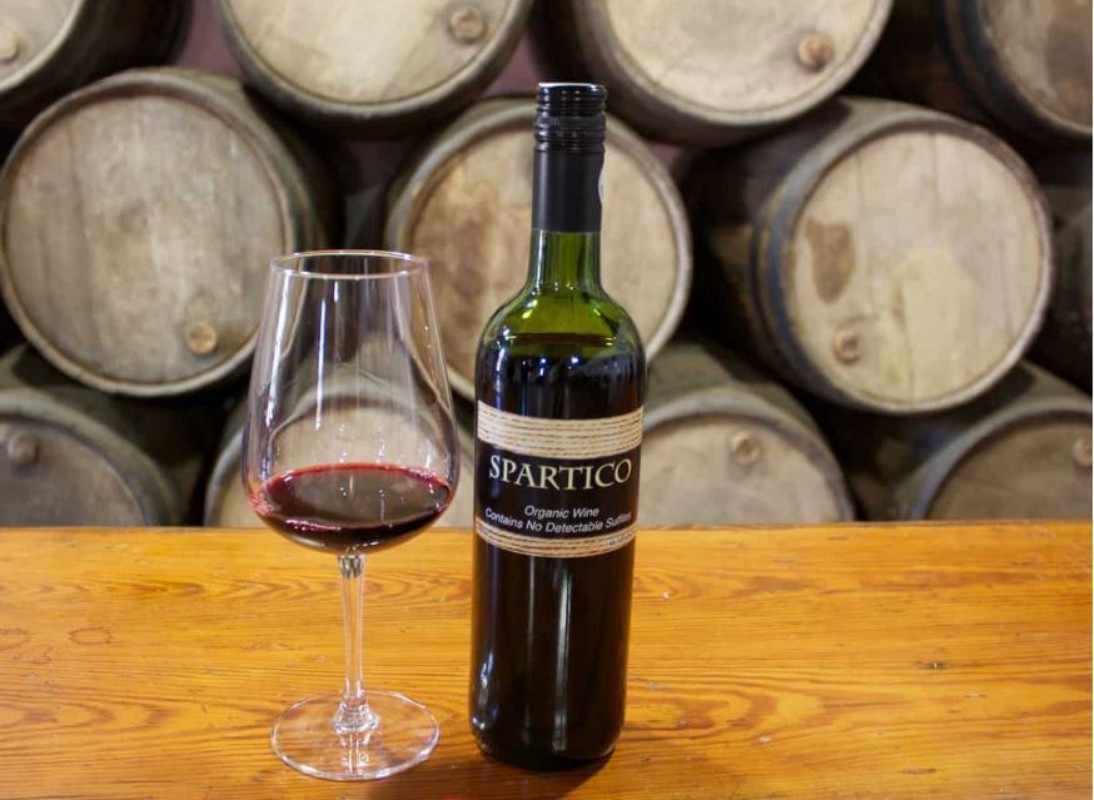
Wine Traditions of the Running of Bulls
During San Fermín Festival, red wine isn’t just a beverage, but a symbol of ritual significance. Locals told me that traditionally, brave participants in the bull run start their pequeño desayuno at 5 AM, which must include a glass of red wine from La Rioja or Navarra. This isn’t for courage, but to pay homage to the patron saint San Fermín. After each bull run ends, people gather in the square, raising their glasses to celebrate safely surviving another encounter with the bulls.
The wine consumption during the festival is simply astounding. According to local statistics, in just these nine days, Pamplona consumes over 2 million liters of red wine! You can see crowds holding ceramic wine cups everywhere on the streets, everyone clinking glasses and sharing the joy of the festival.
Best Viewing Locations and Schedule
| Time | Activity | Recommended Location |
|---|
| 08:00 | Bull Running | Calle Estafeta |
| 12:00 | Lunch with Wine | Plaza del Castillo |
| 18:30 | Bullfighting Show | Bullring |
| 22:00 | Night Celebration | Old Town Bar Street |
If you want to experience the most authentic wine running of bulls festival, I recommend booking accommodation a month in advance. During the festival, hotel prices throughout the city double, and it’s extremely difficult to find rooms. This time I stayed at a small inn not far from Plaza del Castillo, just a ten-minute walk to the bull running route, very convenient.
What impressed me most was the evening wine tasting activities. In small taverns in the old town, bartenders recommend different vintages of Rioja wine paired with local tapas. The perfect combination of that rich wine aroma with cheese and Iberian ham truly makes you forget the tense excitement of the day’s bull running.
On the festival’s last day, locals hold the Pobre de Mí ceremony, where everyone joins hands in a circle, singing sad songs to bid farewell to the festival. Although called “Poor Me,” everyone’s face radiates satisfied smiles because they know they’ll gather again next year. This dedication to tradition and love for life truly moved me as an outsider.
If you’re also planning to attend next year’s wine running of bulls festival, remember to learn about safety knowledge in advance, as this isn’t a joke. But trust me, when you truly immerse yourself in this celebration, you’ll understand why Spanish people love this festival so much, and why wine and bull running can combine so perfectly together.
