As a red wine enthusiast who has lived in Spain for many years, I’ve noticed that many friends are fascinated by Spanish red wine label designs. Today I want to share some observations and insights about the distinctive characteristics of Spanish red wine flavors and their label aesthetics.
Perfect Fusion of Tradition and Modernity
Spanish red wine labels truly possess a unique charm. From the traditional Rioja region to the emerging Toro region, each area’s labels carry deep historical and cultural heritage. Traditional Spanish labels often feature deep tones with gold or silver fonts, creating a sense of historical gravitas. Modern designs tend toward minimalism and fashion while still preserving Spanish cultural characteristics.
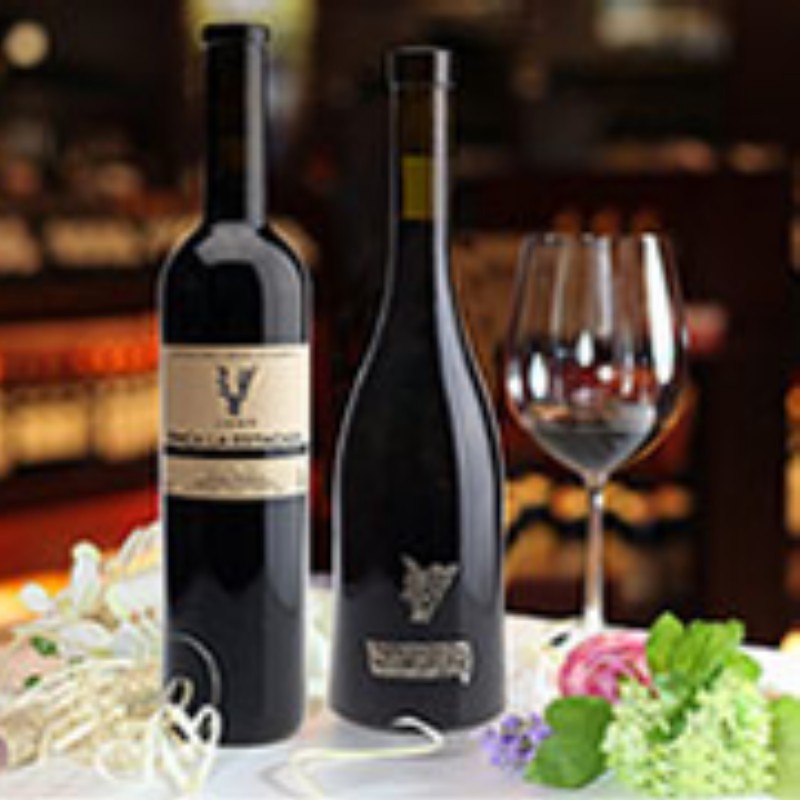
What impresses me most is Spain’s remarkably clear vintage classification system on labels. Crianza, Reserva, Gran Reserva - these grade indicators allow consumers to quickly assess aging time and quality levels. This standardization system ranks among the most excellent across European wine-producing countries.
Regional Label Style Comparisons
Different regions indeed showcase distinct label styles. I’ve compiled a comparison table highlighting Spanish red wine characteristics:
| Region | Label Style | Typical Elements |
|---|
| Rioja | Traditional Classic | Castle imagery, Gothic fonts |
| Toro | Modern Minimalist | Geometric patterns, clean typography |
| Priorat | Artistic | Abstract designs, creative layouts |
| La Mancha | Simple Practical | Basic fonts, regional identifiers |
Label Information Decoding Techniques
Learning to interpret Spanish label information is truly important. Beyond basic winery names and vintages, DO designation serves as a crucial quality indicator. Additionally, alcohol content is usually noted at the label’s bottom or back label, with most Spanish red wines ranging between 13-15% ABV.
Particularly noteworthy is how many premium Spanish red wines prominently feature grape varieties on their labels. Tempranillo, as Spain’s star variety, often receives special highlighting. Some premium wineries even include specific vineyard plot information, typically indicating higher quality and more distinctive terroir expression.
Regarding purchasing recommendations, I personally favor wines whose labels maintain traditional character while embracing modern sensibilities. Such wineries typically preserve traditional winemaking techniques while implementing modern quality management, usually offering excellent value propositions. When selecting wines, pay attention to these label details for the best choices.
