Spanish Wine Quality Rankings Explained
Having lived in Spain for quite some time, I’ve developed a fairly deep understanding of the local wine culture, including insights into [Spanish wine quality levels] and guidance for [selecting mid-range Spanish wines]. Friends often ask me about Spanish wine classification, so today I’ll provide a detailed discussion of [Spanish wine grading systems].
Spain’s wine classification system is quite strict, divided into four main levels. The highest tier is DOCa, currently only awarded to two regions: Rioja and Priorat. The wine quality from these estates is truly impressive, with prices typically ranging from 30-150 euros, perfect for special occasions.
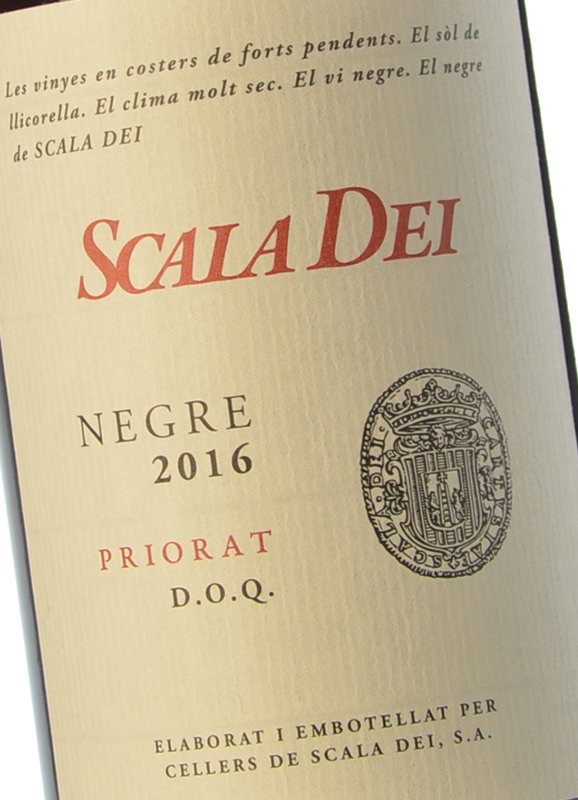
Detailed Analysis by Grade
The second tier is DO, which includes most quality Spanish wines. Renowned regions like Ribera del Duero and Toro belong to this classification. DO-level wines offer excellent value for money, typically ranging from 10-50 euros for quite decent bottles.
| Grade | English Name | Representative Regions | Price Range |
|---|
| DOCa | Qualified Designation of Origin | Rioja, Priorat | 30-150€ |
| DO | Designation of Origin | Ribera del Duero, Toro | 10-50€ |
| VC | Regional Wine | Castilla | 3-15€ |
| VM | Table Wine | Various blends | 2-8€ |
Purchasing Recommendations and Personal Experience
From my purchasing experience, DO-level wines are most suitable for daily consumption. I particularly recommend Tempranillo wines from the Ribera del Duero region - they offer rich fruit aromas and smooth tannins that pair excellently with traditional Spanish cuisine. Bottles in the 15-25 euro range typically maintain consistent quality and are perfect for stocking up.
It’s worth noting that, beyond official classifications, many wineries also categorize their wines based on aging time. Crianza, Reserva, and Gran Reserva represent different aging periods - generally, longer aging results in more complex wine bodies and correspondingly higher prices.
For those new to Spanish wines, I recommend starting with DO-level options, choosing Crianza or Reserva grades from well-known regions. This approach allows you to experience authentic Spanish flavors without putting too much strain on your wallet. After all, good wine requires gradual appreciation - taking it step by step is the right approach.
