Spanish Wine Classification System Analysis
As one of Europe’s major wine-producing countries, Spain has established a comprehensive wine classification system. Understanding this framework is fundamental to [identifying Spanish wine quality levels]. The highest tier is DOCa, currently awarded to only two regions: Rioja and Priorat. Next is DO, equivalent to France’s AOC classification. Below that are IGP and the basic Vino de Mesa table wine category.
Reading Wine Labels for Quality Information
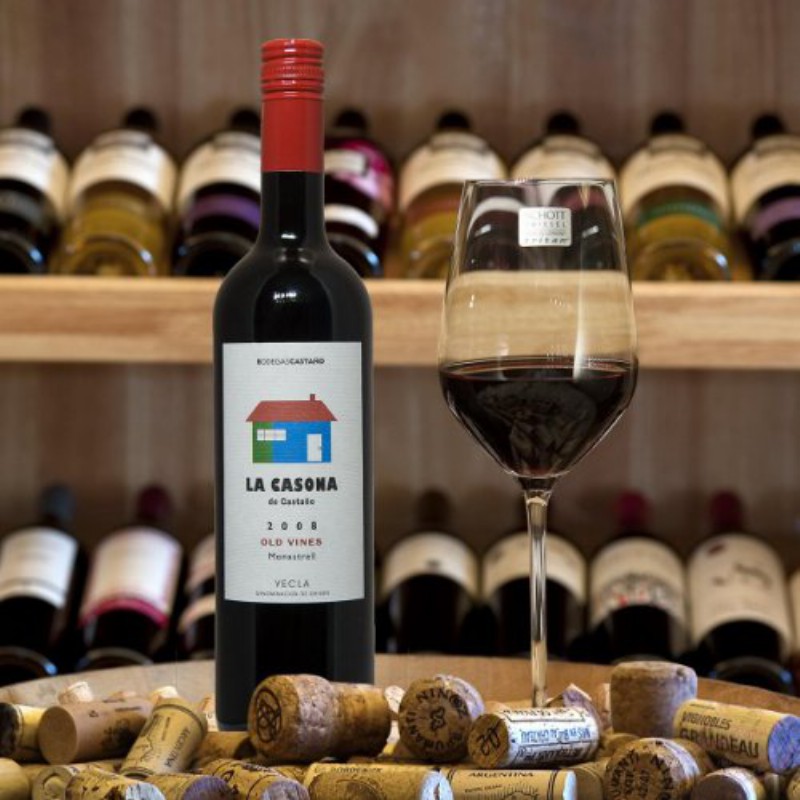
Spanish wine labels contain rich information, and learning to decode them is crucial. Vintage markings indicate the grape harvest year, with single vintages generally holding more collectible value than blended years. Alcohol content typically ranges from 12.5%-15%, requiring caution with unusually low or high percentages. Most importantly, look for aging classifications: Joven, Crianza, Reserva, and Gran Reserva. These designations directly reflect the wine’s quality tier and value.
| Aging Level | Minimum Aging Time | Oak Aging | Bottle Aging |
|---|
| Joven | No requirement | Optional | None |
| Crianza | 2 years | 6 months | Remaining time |
| Reserva | 3 years | 1 year | 2 years |
| Gran Reserva | 5 years | 18 months | 3.5 years |
Regional Characteristics and Quality Differences
Different regions produce wines with distinct styles and vastly different price points. Rioja is renowned for elegant Tempranillo grapes, divided into three sub-regions, with Rioja Alta typically producing the highest-quality wines. Ribera del Duero creates more intense, robust reds and ranks among Spain’s most expensive wine regions. Though small in area, Priorat produces wines with distinctive mineral flavors commanding premium prices.
In contrast, La Mancha, while Spain’s largest region, focuses on volume production with relatively affordable pricing. Valdepeñas and Jumilla offer excellent value-for-money options. Understanding regional characteristics helps in selecting appropriately priced wines based on your budget when exploring [Spanish wine quality tiers].
Sensory Evaluation Techniques
Sensory assessment provides direct insight into wine quality levels when selecting [mid-range Spanish wines]. First, observe the wine’s color - high-quality mature reds display deep garnet or brick-red hues with slightly orange-tinged edges. After swirling, watch for legs formation; inexpensive wines typically show brief legs, while premium wines form distinct, slowly descending tears.
Aroma complexity serves as a crucial quality indicator. Entry-level wines offer simple, primarily fruity aromas. Mid-tier wines begin developing secondary notes like spice and leather. Premium wines showcase complex tertiary aromas including cigar box, caramel, and dried fruit aging characteristics. In terms of taste, high-quality wines feature more refined, balanced tannins with lengthy finishes, while lower-tier wines often present rough textures and brief aftertastes.
