What is Non-Vintage Red Wine
Non-vintage red wine occupies an important position in the Spanish wine market. Unlike wines labeled with specific vintages, non-vintage red wines blend grape juices from different years to maintain product consistency and stability. This winemaking approach allows wineries to maintain relatively uniform taste and quality standards under different climatic conditions.
Spanish non-vintage red wines are mainly concentrated in daily table wines and some regional wine categories. These wines are typically affordably priced, suitable for daily consumption and pairing with various traditional Spanish cuisine.
Advantages Analysis of Non-Vintage Red Wine
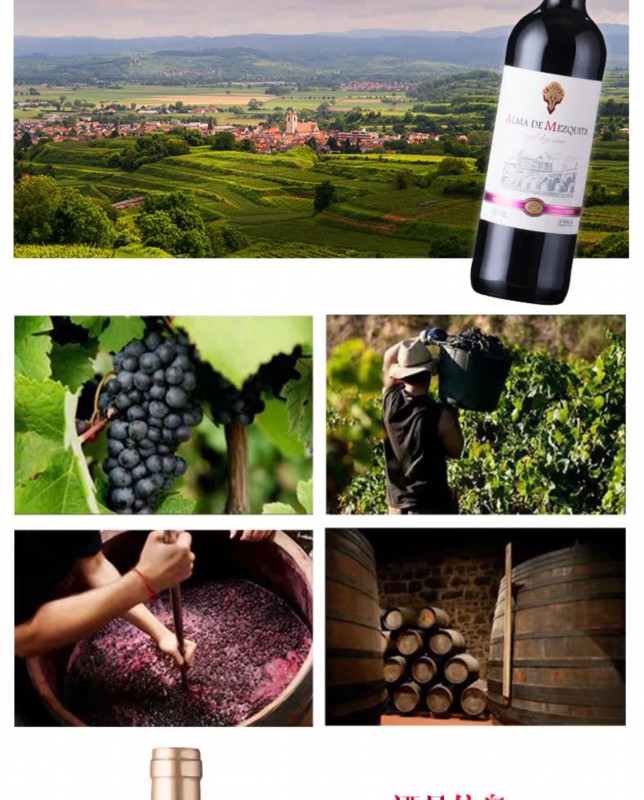
Choosing non-vintage red wine offers several distinct advantages. First is the price advantage - due to relatively lower production costs, consumers can enjoy decent wine experiences at more affordable prices. Second is quality stability - wineries ensure each batch meets established taste standards through [Spanish wine vintage] blending techniques.
Another important advantage is the extended drinking window. Non-vintage red wines typically don’t require long aging periods and can be enjoyed immediately after purchase, which is very convenient for everyday consumers. Additionally, these wines perform excellently when paired with traditional Spanish tapas, grilled meats, and other regional specialties.
Main Regions and Brand Recommendations
Spanish non-vintage red wines primarily come from several important regions. La Mancha, as one of the world’s largest grape-growing areas, produces substantial quantities of quality non-vintage red wines. Valencia and Murcia regions also offer noteworthy products.
Here’s a comparison of some cost-effective non-vintage red wines:
| Brand | Region | Price Range (€) | Main Characteristics |
|---|
| Marqués de Cáceres | Rioja | 8-12 | Rich fruit aromas, smooth palate |
| Viña Albali | La Mancha | 5-8 | High value, suitable for daily drinking |
| Campo Viejo | Rioja | 6-10 | High brand recognition, stable quality |
Purchasing Advice and Considerations
When buying non-vintage red wine, focus on regional information and alcohol content on the label. Generally speaking, products with excessively high or low alcohol content may have quality issues. Ideal alcohol content should be between 12.5% and 14%.
Observing bottle packaging and sealing quality is also important. Products from legitimate producers typically show more attention to detail. Choose products with clear importer information, making it easier to trace and resolve issues if problems arise.
Finally, while non-vintage red wines are affordably priced, selection should be based on personal taste preferences. Some people prefer fruit-forward styles, while others enjoy wines with heavier tannins. It’s recommended to purchase small quantities for tasting first - find your preferred style through Spanish wine good vintages exploration, then make bulk purchases. Consider whether you truly need to focus on Spanish wine vintages when making your selection.
