As a wine enthusiast who has lived in Spain for many years and experienced the [DOP classification] system firsthand, I’d like to share my understanding of Spanish wine classification. During recent visits to local wineries, I noticed many friends weren’t familiar with Spain’s wine grade divisions, so I’ve compiled this comprehensive wine classification guide.
Overview of Spanish Wine Classification System
Spain’s wine classification system is remarkably comprehensive, divided into four main levels. The basic level is Vino de Mesa, suitable for daily consumption; next is Vino de la Tierra, with slightly enhanced quality; then comes the DO level, which represents most quality Spanish wines; the highest level is DOCa, currently awarded only to Rioja and Priorat regions.
Major Regions and Representative Brands Comparison
| Region | Grade | Representative Brands | Style Characteristics |
|---|
| Rioja | DOCa | Marqués de Riscal | Classic tempranillo, oak barrel aged |
| Priorat | DOCa | Alvaro Palacios | Intense complexity, strong mineral notes |
| Ribera del Duero | DO | Vega Sicilia | Elegant finesse, excellent aging potential |
| La Mancha | DO | Marqués de Griñón | Great value, rich fruit aromas |
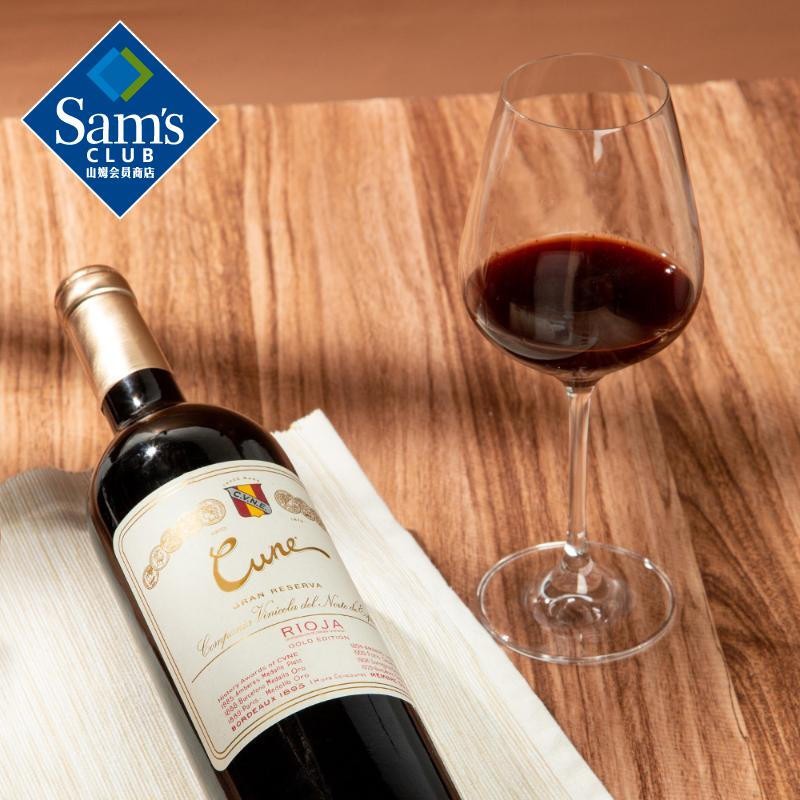
From actual tasting experience, wines from the Rioja region are definitely worth special attention. The wineries here have deep historical roots, with century-old brands like Marqués de Riscal and López de Heredia maintaining exceptionally mature winemaking techniques. Their Reserva and Gran Reserva levels, after extended oak barrel and bottle aging, offer remarkably complex flavor profiles.
How to Choose the Right Spanish Wine
For those just beginning to explore Spanish wines, I recommend starting with DO level wines. They offer reasonable pricing with guaranteed quality, such as Marqués de Cáceres from Valencia DO, or products from the Chivite family winery in Navarra DO. With a higher budget, you can go directly for DOCa level wines - while more expensive, they’re absolutely worth the investment.
When purchasing, pay attention to vintage information on labels. Spanish wines typically indicate Joven, Crianza, Reserva, or Gran Reserva classifications. Generally, longer aging periods mean higher prices and more complex flavors.
Spain’s wine classification system provides consumers with excellent Spanish wine classification quality references. Whether for daily dining pairings or collection investment, understanding these classification principles helps make more informed choices. I hope this guide proves helpful, and welcome discussions about wine tasting experiences in the comments.
