As one of Europe’s major wine-producing countries, Spain boasts a long winemaking tradition and diverse grape varieties. From northern Rioja to southern Andalusia, this land nurtures countless quality wines, each carrying the local terroir and culture.
Major Wine Regions
Rioja is undoubtedly Spain’s most famous wine region. The exceptional climate conditions here allow Tempranillo grapes to thrive, producing red wines with intense fruit aromas and elegant tannin structure. Besides Rioja, Castilla-La Mancha is another important region, home to one of the world’s largest vineyard areas by acreage.
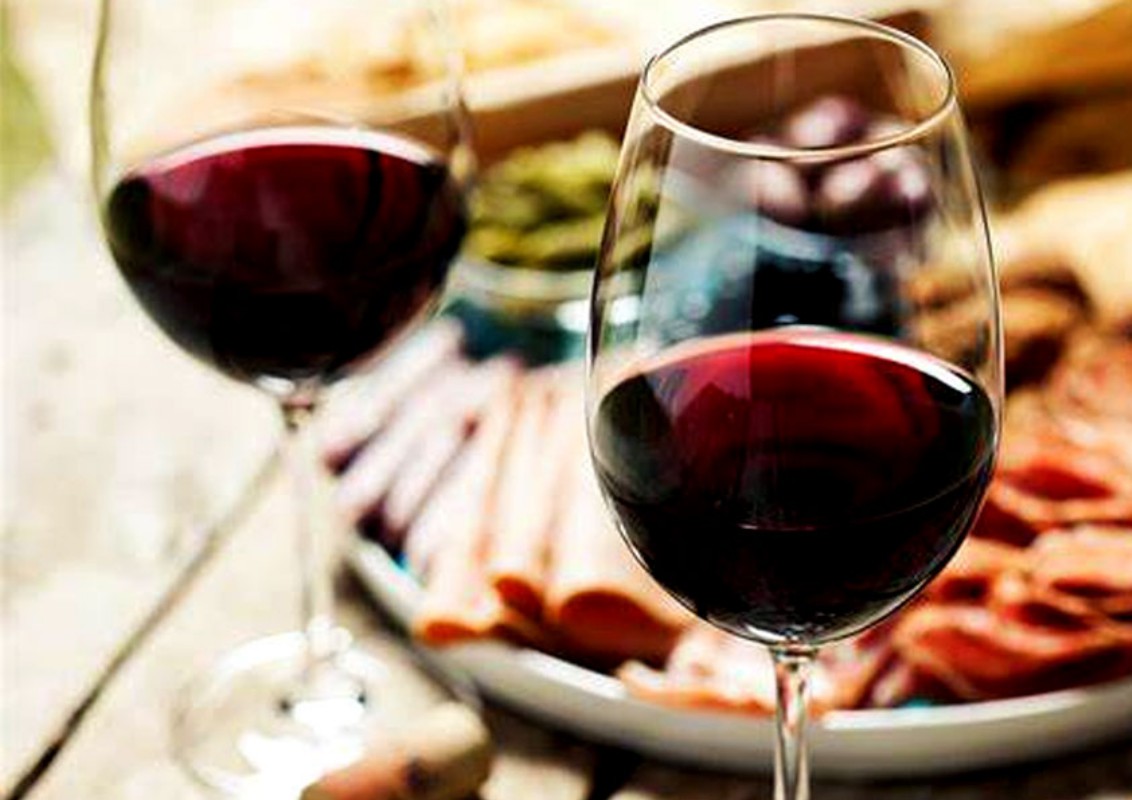
Classic Grape Variety Characteristics
Spain’s native grape varieties are rich and diverse, with Tempranillo being the most representative. This thick-skinned, deeply colored grape produces red wines typically featuring complex aromas of cherry, blackberry, and vanilla. Additionally, Garnacha is an important variety, widely cultivated especially in Aragón and Catalonia, creating full-bodied wines with rich fruit flavors.
| Grape Variety | Main Regions | Flavor Profile |
|---|
| Tempranillo | Rioja, Ribera del Duero | Cherry, vanilla, leather notes |
| Garnacha | Aragón, Priorat | Berry, spice flavors |
| Mencía | Bierzo | Floral, mineral character |
The aging classification system is an important feature of Spanish wines. Crianza, Reserva, and Gran Reserva represent different aging periods and quality levels. Crianza requires at least two years of aging, including oak barrel aging; Reserva needs three years of aging; while Gran Reserva requires at least five years of aging, with two years spent in oak barrels.
When tasting Spanish red wines, it’s recommended to serve them at 16-18°C. First observe the wine’s color - quality Spanish reds typically display deep red or purple-red hues. After swirling, take a deep breath to appreciate those complex and captivating aromatic layers. When tasting, let the wine linger in your mouth to experience the balance of acidity, tannins, and body.
