As a wine enthusiast who has lived in Spain for many years and experienced the [DOP classification] system firsthand, I’ve noticed many friends aren’t familiar with Spanish wine classification standards. Today I’ll share Spain’s official wine grading system to help you better choose Spanish wines that suit your preferences.
Overview of Spanish Wine Classification System
Spain’s wine classification system consists of four main levels, ranked from highest to lowest: DOCa, DO, IGP, and Vino de Mesa. This system not only ensures wine quality but also reflects the unique characteristics and traditions of different regions. Each level has strict production standards and quality requirements, allowing consumers to judge wine quality based on certification labels.
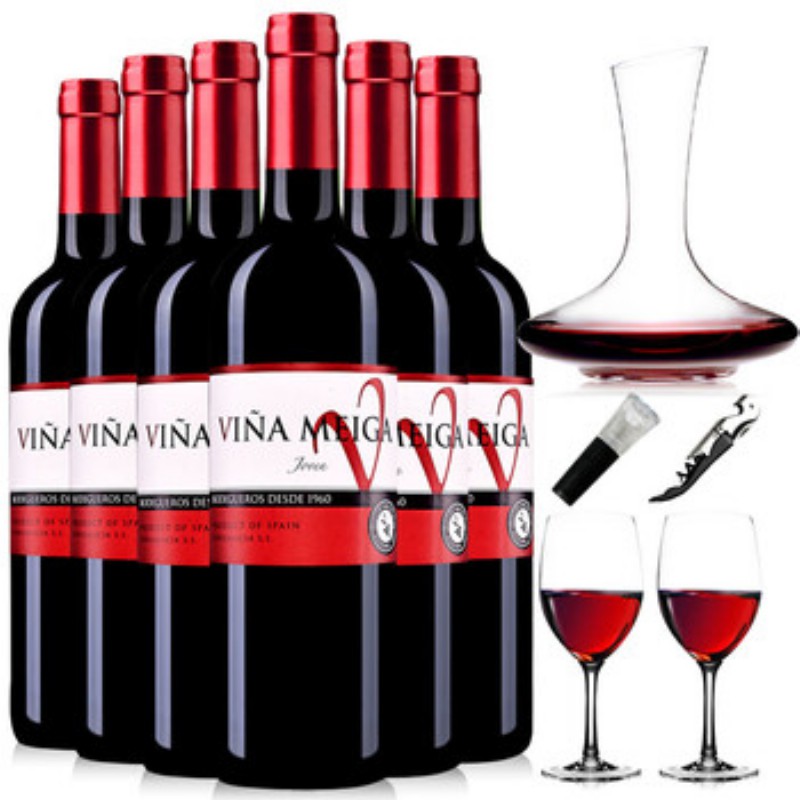
DOCa Level: The Highest Honor in Spanish Wine
DOCa represents the highest classification level for Spanish wines. Currently, understanding [wine classification] reveals only Rioja and Priorat have achieved this certification. DOCa-level wines must have at least 10 years of DO certification history and meet exceptionally high standards in quality, tradition, and reputation. These wines typically command higher prices but deliver outstanding quality.
DO Certification: The Quality Assurance Backbone
DO is Spain’s most important wine classification, covering most premium wine regions nationwide. DO certification requires grapes from designated regions, specific grape varieties, and strict control over yield and winemaking processes. Most high-quality Spanish wines available in the market belong to DO level, offering relatively good value for money and excellent choices for daily consumption.
Here’s a comparison of major DO regions and their characteristics:
| Region Name | Main Grape Varieties | Wine Characteristics |
|---|
| Rioja | Tempranillo | Elegant balance, rich oak aromatics |
| Ribera del Duero | Tempranillo | Robust structure, excellent aging potential |
| La Mancha | Tempranillo, Garnacha | Fruity aromatics, affordable pricing |
IGP and Table Wine Levels
IGP corresponds to regional wine level with more relaxed requirements but still requires geographical origin labeling. These wines are typically affordably priced and suitable for daily consumption. Vino de Mesa represents the basic level without regional restrictions, primarily meeting mass market demand. While lower in classification, some offer excellent value for money.
When purchasing Spanish wines, I recommend first checking classification labels, then choosing based on your budget and intended use. For those new to Spanish wine classification, DO-level wines make excellent entry choices, providing quality assurance without excessive cost.
