As a red wine enthusiast who has lived in Spain for five years, I’d like to share some insights about Spanish red wines with everyone. Monte Matador Red Wine represents just one facet of this rich tradition. Spain offers not only passionate flamenco and brave matadors, but also an intoxicating wine culture.
Regional Characteristics Comparison
Spain’s red wine regions each have their unique characteristics. Here’s a comparison of the main regions I’ve compiled:
| Region | Main Grape Varieties | Style Characteristics | Price Range |
|---|
| Rioja | Tempranillo | Elegant and balanced, oak barrel aged | €15-80 |
| Ribera del Duero | Tempranillo | Rich and robust, prominent fruit flavors | €20-120 |
| Priorat | Garnacha | Mineral-rich, full-bodied | €25-200 |
| La Mancha | Various blends | Great value, everyday drinking | €5-25 |
Rioja: The Classic Among Classics
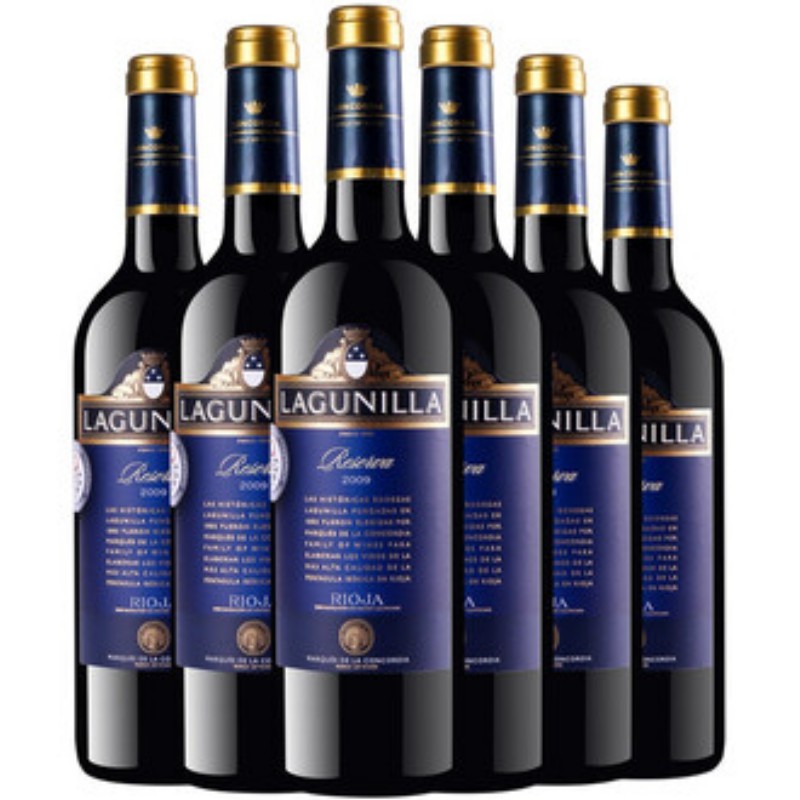
Rioja is undoubtedly Spain’s most famous red wine region. The wineries here producing Spanish DO Red Wine Matador have long histories, with some Matador Honor Red Wine producers dating back to the 19th century. Rioja’s classification system is quite interesting, divided into four levels: Joven, Crianza, Reserva, and Gran Reserva. I personally recommend Reserva-level red wines, which are typically aged 12 months in oak barrels and 24 months in bottles, offering balanced flavors and good value.
Ribera del Duero’s Modern Style
Compared to Rioja’s traditional style, Ribera del Duero’s red wines have a more modern character. This region’s high altitude and significant day-night temperature differences create grapes with intense fruit aromas. The famous Vega Sicilia winery is located in this region and is known as “Spain’s Lafite”. However, prices are relatively expensive, so average consumers can choose mid-range wineries like Pesquera or Alión.
Purchasing Tips and Pairings
When shopping for red wine in Spanish supermarkets or wine specialty stores, I suggest paying attention to these points: First, check the vintage - generally, wines from 2018-2020 are at their optimal drinking period. Second, note the alcohol content, as Spanish red wines typically range from 13-15%. Don’t be fooled by fancy packaging - simple labels often represent a winery’s confidence in quality.
Spanish red wines pair perfectly with local cuisine. Rioja Crianza goes wonderfully with roasted lamb or ham slices, while the rich red wines of Ribera del Duero complement steak or cheese beautifully. Remember this principle: pair robust wines with bold flavors, and lighter wines with delicate dishes.
