Recently, I had the chance to taste authentic Matador sweet red wine at a small tavern in Madrid, and that unique flavor remains unforgettable. As a wine enthusiast who has lived in Spain for many years, I’d like to share insights about this legendarily charming dessert wine.
Historical Origins and Cultural Background
The history of Matador sweet red wine dates back to the late 19th century, when wineries in the Andalusia region began experimenting with this distinctive dessert wine. Legend has it that this wine was originally crafted to celebrate bullfighters’ victories, hence its name. The wine displays a deep ruby red color, as vibrant and striking as a matador’s cape. Unlike traditional dry reds, Matador sweet red wine retains certain residual sugars during fermentation, creating a more mellow and sweet palate.
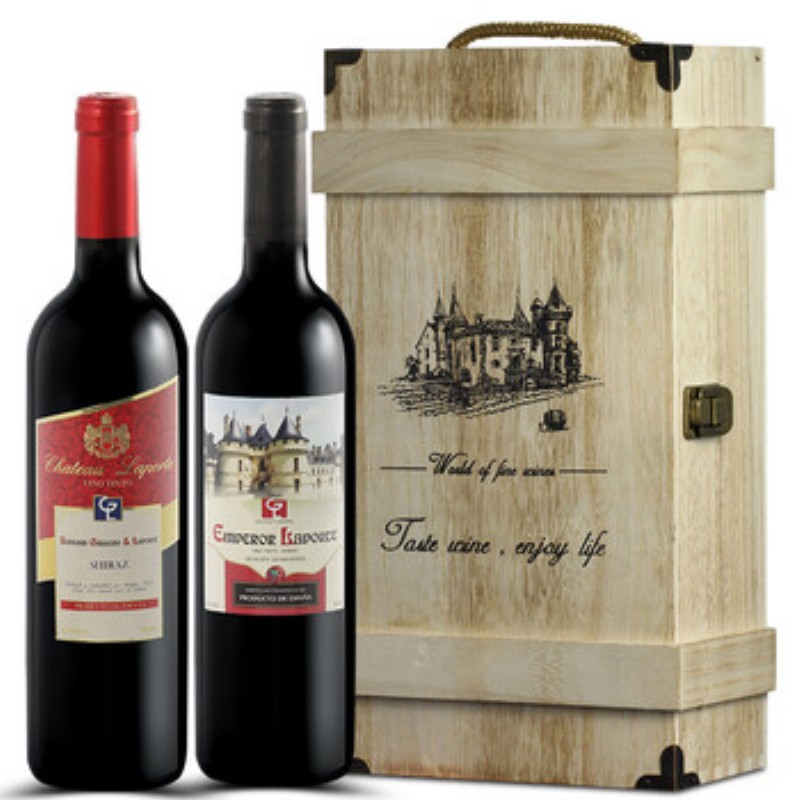
This wine is particularly popular in southern Spain, especially around Seville and Córdoba. Locals often say: “Without tasting Matador sweet red wine, you haven’t truly experienced Monte Matador Red Wine Andalusian wine culture”. During annual bullfighting festivals, this wine becomes an indispensable celebratory beverage.
Winemaking Process and Characteristics
Matador sweet red wine primarily uses local grape varieties, including Tempranillo, Garnacha, and Monastrell. The most crucial step in the Spanish DO Red Wine Matador winemaking process is controlling fermentation temperature and timing. Typically, high-proof brandy is added halfway through fermentation to halt the process, preserving the grapes’ natural sweetness while increasing alcohol content.
| Characteristic | Description |
|---|
| Alcohol Content | 15-18% |
| Residual Sugar | 80-120g/L |
| Aging Time | 2-5 years |
| Optimal Serving Temperature | 12-14°C |
Tasting Techniques and Pairing Suggestions
When tasting Matador sweet red wine, use wide-bowled red wine glasses to better release the aromas. First, observe the wine’s color - quality Matador sweet red wine should display deep red with purple highlights. After gently swirling the glass, you’ll notice rich fruit aromas with subtle vanilla notes.
On the palate, you’ll experience rich complexity, unlike ordinary sweet wines that can be monotonous, offering balanced acidity within the sweetness. The finish is long-lasting, with dried fruit and chocolate notes. This wine pairs exceptionally well with traditional Spanish desserts like almond cake or crema catalana.
Purchasing and Storage Tips
When buying Matador sweet red wine in Spain, choose products with DO certification labels for quality assurance. Prices typically range from 15-40 euros, depending on vintage and winery. Once opened, sweet red wines can be stored in the refrigerator for about a week without losing flavor due to their higher sugar content.
For those trying Matador Honor Red Wine for the first time, I recommend starting with more approachable young vintages to gradually develop appreciation for this style of sweet wine. If you have the opportunity to taste authentic Matador sweet red wine, please share your impressions and experiences below.
