During a recent trip to Andalusia, I unexpectedly discovered Oranga, a relatively niche but outstanding wine region. As someone who enjoys red wine regularly, this discovery truly delighted me, and I want to share the charm of this treasure region with everyone.
Geographic Advantages of the Oranga Region
Oranga is located in the Andalusia region of southern Spain, where the Mediterranean climate creates ideal conditions for grape cultivation. Summers are hot and dry, winters are mild and humid, with annual sunshine exceeding 3000 hours. These climatic conditions allow grapes to ripen fully, accumulating rich sugars and aromatic compounds. The local limestone soil has excellent drainage and is rich in minerals, providing an ideal growing environment for grape roots.
Analysis of Main Grape Varieties
In the Oranga region, the main red grape varieties include Tempranillo, Garnacha, and Monastrell. Local wineries typically use blending techniques, skillfully combining the characteristics of different varieties. Among the wines I’ve tasted, Tempranillo brought intense fruit aromas and good structure, Garnacha added body fullness, while Monastrell contributed unique spice notes.
| Grape Variety | Characteristics | Role in Blending |
|---|
| Tempranillo | Rich fruit aroma, moderate tannins | Provides main structure |
| Garnacha | High alcohol, full-bodied | Adds body thickness |
| Monastrell | Deep color, pronounced spice | Enhances complexity |
Unique Winemaking Techniques
Most wineries in Oranga are small-scale but pay great attention to combining traditional craftsmanship with modern technology. Many wineries still maintain the tradition of hand harvesting, ensuring grapes enter the winemaking process in optimal condition. During fermentation, they adjust temperature and timing according to the characteristics of different grape varieties, typically controlling red wine fermentation temperature between 25-28 degrees Celsius.
Oak barrel aging is also a major feature of Oranga red wines. Local wineries prefer using American oak barrels, with aging periods generally lasting 12-18 months. This practice gives red wines unique vanilla and toasted aromas while making tannins smoother. I particularly enjoy that perfect fusion of oak and fruit flavors.
Tasting Experience Sharing
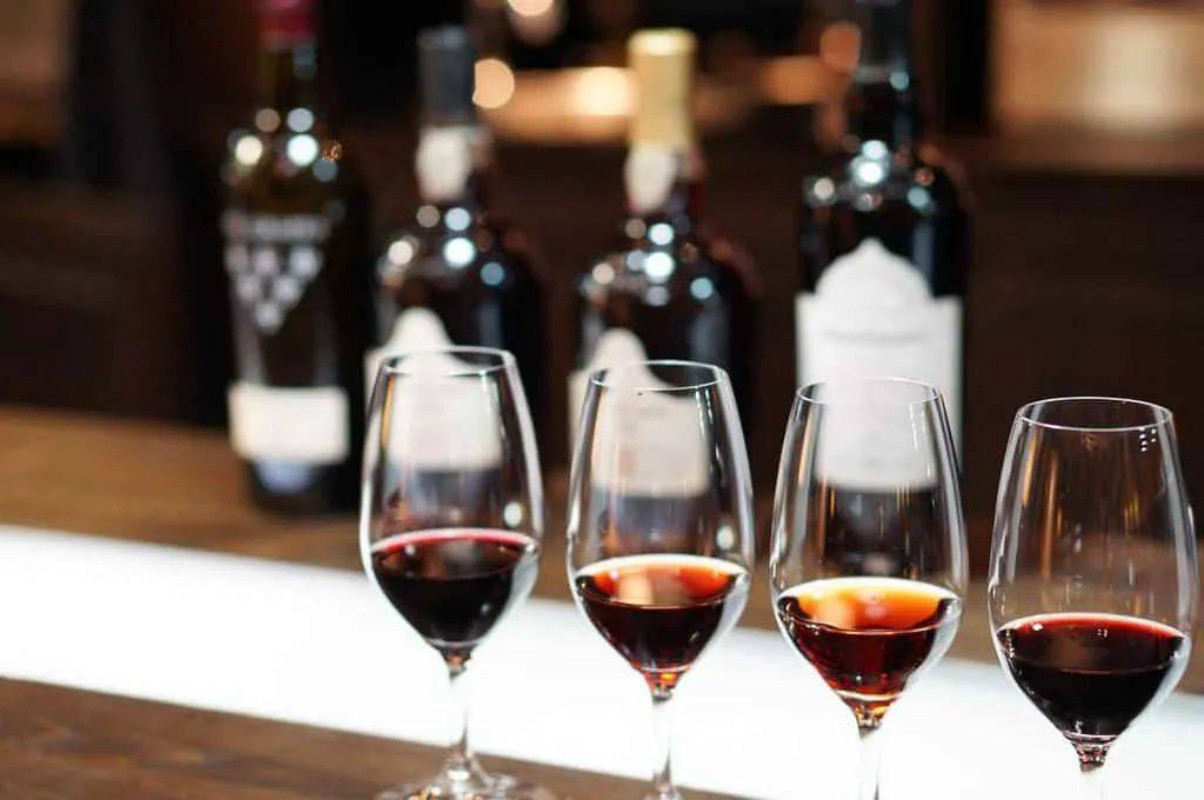
When tasting wines locally, I found that Oranga red wines generally possess deep color and complex aromas. Upon tasting, the first sensation is intense black fruit aromas, followed by subtle spice and oak flavors. The body ranges from medium to full, with good tannin structure that isn’t overly heavy, making them perfect for pairing with local Iberian ham and cheese.
For friends wanting to try Oranga wines, I recommend selecting wines aged 3-5 years, as this stage maintains the fruit vitality of youth while developing certain complexity. Price-wise, local winery wines typically range from 15-40 euros, offering excellent value. Of course, some limited edition premium wines command higher prices.
While Oranga red wines may not be as famous as Rioja or Ribera del Duero, they’re absolutely worth attention from wine enthusiasts. If you have the opportunity to travel to Andalusia, I strongly recommend visiting local wineries - I believe you’ll also be conquered by these beautiful Oranga Knight wines from this region.
