Complete Guide to Spanish Wine Classification System
As the world’s third-largest wine producer with a comprehensive DOP classification system, Spain has established a sophisticated wine grading framework. This system not only ensures wine quality but also provides purchasing guidance for consumers. Today, let’s explore the detailed wine classification standards of Spanish wines.
Official Classification Levels
Spanish wine classification consists of four main levels, ranging from basic to premium:
| Level | Spanish Name | English Meaning | Characteristics |
|---|
| VdM | Vino de Mesa | Table Wine | Daily consumption, affordable |
| VC | Vino Comarcal | Regional Wine | Regional characteristics |
| DO | Denominación de Origen | Denomination of Origin | Strict regional control |
| DOCa | Denominación de Origen Calificada | Qualified Denomination of Origin | Highest grade |
Table wine represents the most basic level, typically used for everyday dining. These wines have no strict regional restrictions, are relatively inexpensive, but also offer modest quality.
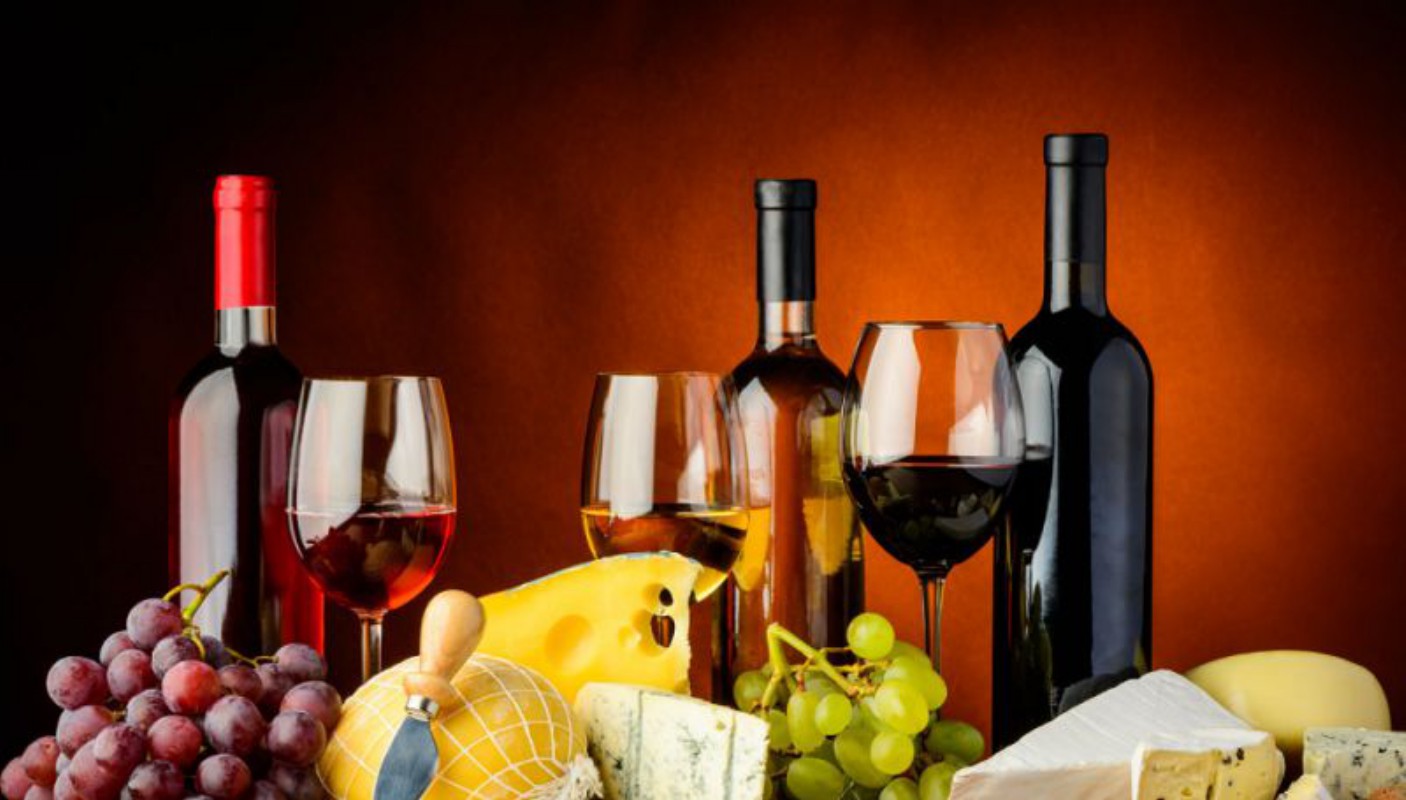
Importance of DO Classification
DO level forms the core of Spanish wine classification, equivalent to France’s AOC system. Currently, Spain has 69 DO regions, each with strict production regulations including:
- Grape variety restrictions
- Planting density requirements
- Winemaking technique standards
- Aging time specifications
Renowned DO regions include Rioja, Ribera del Duero, and Priorat. Wines from these regions typically maintain consistent quality with distinctive regional characteristics.
Strict Standards of Highest-Level DOCa
DOCa represents Spain’s highest wine classification, with currently only two regions achieving this distinction according to the Spanish wine classification system: Rioja and Priorat. To obtain DOCa certification, regions must:
First, maintain exceptional performance at DO level for at least 10 years, then pass more rigorous quality testing, and finally receive special government approval. DOCa-level wines represent the pinnacle of Spanish winemaking excellence.
Aging Time Categories
Beyond regional classifications, Spanish wines are categorized by aging periods into four types: Joven, Crianza, Reserva, and Gran Reserva. Different levels have varying aging requirements, affecting both taste profiles and pricing.
Understanding these classification standards helps make informed decisions when selecting Spanish wines. Whether for daily consumption or special occasions, you can find wines of appropriate quality levels.
