Recently discovered this legendary 1919 Marqués wine at a boutique winery in Madrid. As a wine enthusiast who has lived in Spain for many years, I couldn’t resist sharing this find with everyone. The background story of this wine is quite fascinating, reportedly originating from a noble family winery in the early 20th century.
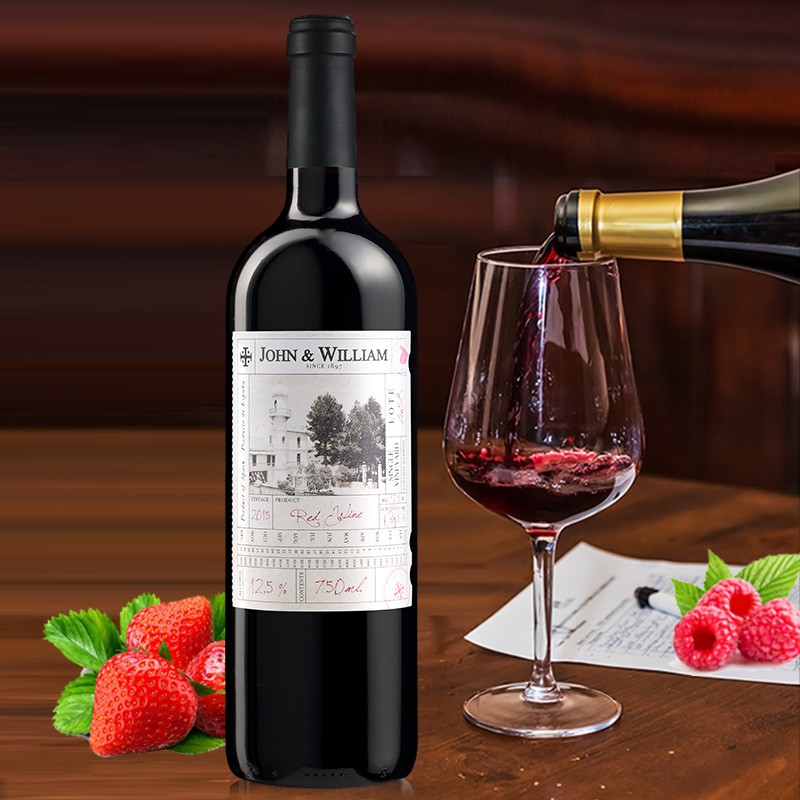
Brand History and Heritage
1919 Marqués wine was born during a turbulent period in Spanish history, right after World War I ended when all of Europe was rebuilding. The brand’s founder was a visionary winemaker who insisted on using traditional production methods, never compromising even during the most difficult times. After more than a century of development, this brand has become one of the representatives of Spanish premium red wines.
The winery is located in the heart of the Rioja region, where climate conditions and soil composition provide ideal environments for grape cultivation, much like the renowned César Marqués. Particularly noteworthy is their continued commitment to hand-picking and carefully selecting grapes, a dedication to quality that commands respect.
Unique Production Techniques
This red wine employs very traditional winemaking methods, primarily using Tempranillo grape varieties, complemented by small amounts of Garnacha and Mazuelo. The most striking aspect of the production process is their oak barrel aging technique, using carefully selected oak barrels from France and America.
| Production Stage | Duration | Characteristics |
|---|
| Fermentation | 15-20 days | Temperature-controlled fermentation, preserving fruit aromas |
| Oak Barrel Aging | 18 months | Mixed use of French and American oak barrels |
| Bottle Aging | 12 months | Constant temperature storage in winery |
Flavor Profile Analysis
The moment I opened this bottle of 1919 Marqués wine, rich fruit aromas burst forth. The wine displays a deep ruby red color, shimmering with enticing brilliance under the light. The aroma layers are complex, featuring both ripe blackberry and cherry fruit notes, along with sophisticated vanilla and tobacco undertones.
The palate experience is even more memorable, with tannin structure that is balanced and elegant, without overly harsh astringency, instead delivering a silky smooth mouthfeel. The mid-palate performance is especially outstanding, with fruit, spice, and oak flavors perfectly integrated, creating a long and persistent finish. This balance is the hallmark of premium wines like Tiller Marqués.
For food pairing with Golden Marqués, this wine pairs seamlessly with traditional Spanish cuisine, particularly roasted lamb, Iberian ham, and aged cheeses. The price is indeed not cheap, but considering its quality and rarity, it’s still worth the investment.
