Having lived in Spain for many years, I recently started venturing into the wine franchise wholesale industry. I want to share some practical experience with everyone, hoping it will be helpful for friends with similar ideas.
Region Selection is Key
Spain, as the world’s third-largest wine producer, has numerous quality wine regions. After more than a year of field research, I found that different regions have vastly different characteristics and market positioning. For Spanish wine franchise opportunities, Rioja and Ribera del Duero are the most well-known regions, but competition is also the fiercest. In comparison, regions like Montsant and Jumilla offer better value for money, especially suitable for franchisees with smaller initial investments.
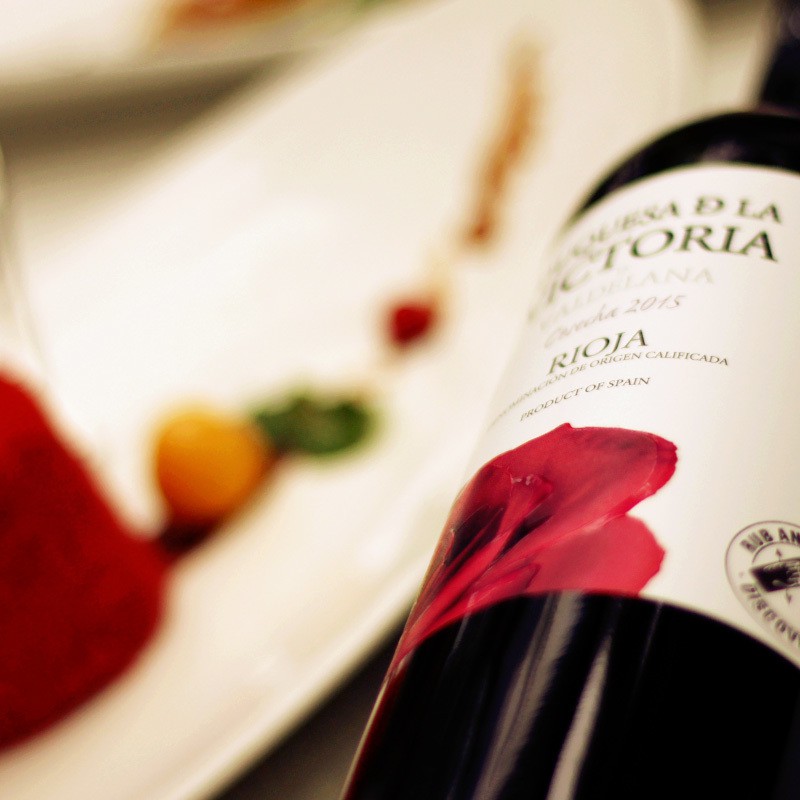
When selecting regions, you need to consider the following factors:
| Consideration Factor | Importance Level | Description |
|---|
| Quality Consistency | Very Important | Directly affects customer satisfaction |
| Price Competitiveness | Important | Determines market coverage |
| Brand Recognition | Medium | Affects initial promotion difficulty |
| Supply Stability | Very Important | Related to business continuity |
Establishing a Reliable Supplier Network
In Spanish wine wholesale, supplier selection is crucial. I recommend prioritizing medium-sized wineries as they are usually more flexible and willing to provide personalized services for wine franchise partners. Large wineries, while offering stable quality, have higher barriers to entry, whereas small wineries lack stable production capacity.
Through practice, I found the best cooperation method is to establish long-term partnerships with 3-5 wineries from different regions. This ensures source diversity and provides backup options when one winery encounters problems. Initially, I only cooperated with one large winery and nearly lost an important client due to supply delays.
Market Positioning and Customer Development
Spanish domestic wine consumption habits differ significantly from other countries. Consumers here focus more on daily drinkability rather than collectible value. Therefore, wines priced between 5-15 euros are most popular.
For customer development, restaurants and small supermarkets are the most stable channels. Large supermarket chains, while offering large order volumes, have long payment cycles and require higher cash flow. I suggest beginners start with nearby restaurants, accumulate experience, then expand to other channels.
Through Spanish wine franchise practice for over a year, I have now established stable cooperation with more than 20 local restaurants. Although the startup phase was challenging, the development prospects of this industry are quite promising. I hope this experience can be helpful to everyone, and welcome fellow industry friends to communicate more.
