Recently, I’ve noticed many forum members asking about wine agency opportunities. As someone who has lived in Spain for years and worked in wine import-export trade, I’d like to share some practical experience regarding [Spain wine distribution] opportunities.
Current Market Analysis of Spanish Wine Industry
Spain, as the world’s third-largest wine producer, boasts rich wine resources and centuries-old winemaking traditions. Rioja, Ribera del Duero, and Priorat regions have earned international acclaim for their exceptional wines. Compared to expensive French wines, Spanish wines offer superior value proposition, creating excellent market opportunities for distributors.
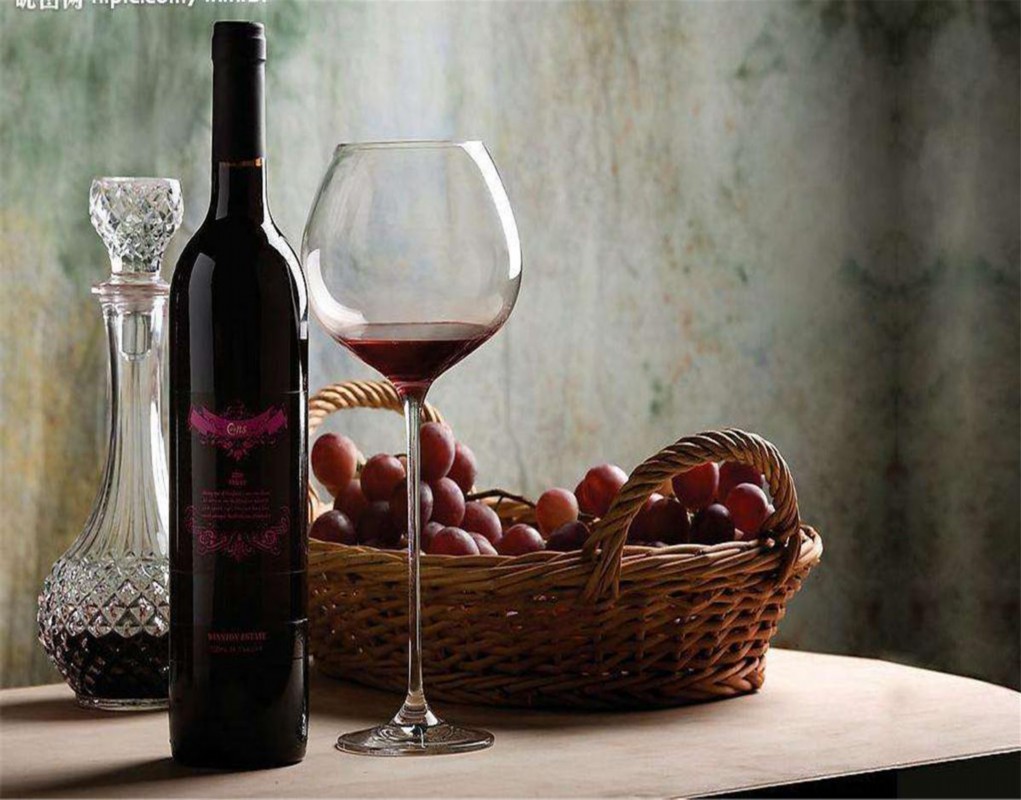
From my experience with various wineries, Spanish wine exports currently focus on European and American markets, while Asian markets show tremendous growth potential. Mid-range wines particularly perform well in both restaurant and retail channels.
Comparison of Distribution and Franchise Models
Based on investment scale and business approach, wine distribution mainly includes these models:
| Distribution Model | Investment Threshold | Risk Level | Suitable For |
|---|
| Brand Master Distributor | €500,000-2,000,000 | High | Well-funded investors |
| Regional Distributor | €100,000-500,000 | Medium | Entrepreneurs with resources |
| Product Distributor | €20,000-100,000 | Lower | Industry newcomers |
I personally recommend newcomers start with product distribution, first familiarizing themselves with market dynamics and product characteristics before scaling up.
Key Factors in Selecting Partner Wineries
When choosing partners, don’t focus solely on price. Consider these crucial aspects:
First is product quality consistency. I’ve worked with smaller wineries that, despite competitive pricing, showed significant quality variations between vintages, causing sales challenges. Prioritize established wineries with proven production methods.
Second is marketing support capability. Many wineries focus only on production, neglecting market promotion, requiring distributors to invest more resources independently. Choose partners willing to provide wine franchise tasting events and technical training support.
Finally, consider logistics and after-sales service. Wine is fragile merchandise requiring careful packaging and insurance during transport. Some wineries handle this poorly, leading to disputes.
Channel Development and Maintenance Experience
In wine distribution, channel development is fundamental. Over the years, I’ve developed three main channels: restaurant, retail, and e-commerce platforms. Restaurant channels offer steady cash flow despite lower unit prices due to high volume. Retail channels provide better profit margins but require more investment in Spanish wine franchise brand promotion.
E-commerce platforms represent the future trend, especially post-pandemic with significantly increased online sales. However, e-commerce is highly competitive, requiring attention to product packaging, pricing strategy, and customer service experience.
Wine distribution requires patience, with substantial upfront investment, but once you establish a stable customer base, returns can be quite rewarding. I hope this experience helps friends considering entering this industry.
