The World of Wine and Beverages in Spanish Restaurants
Having lived in Spain for so long, I’ve found the restaurant culture here truly fascinating. Whether in a small tavern in Madrid or a seaside restaurant in Barcelona, wine and various beverages always hold a prominent place. Today I’d like to share with you the wine and beverage culture I’ve observed in Spanish restaurants.
Classic Spanish Wine Recommendations
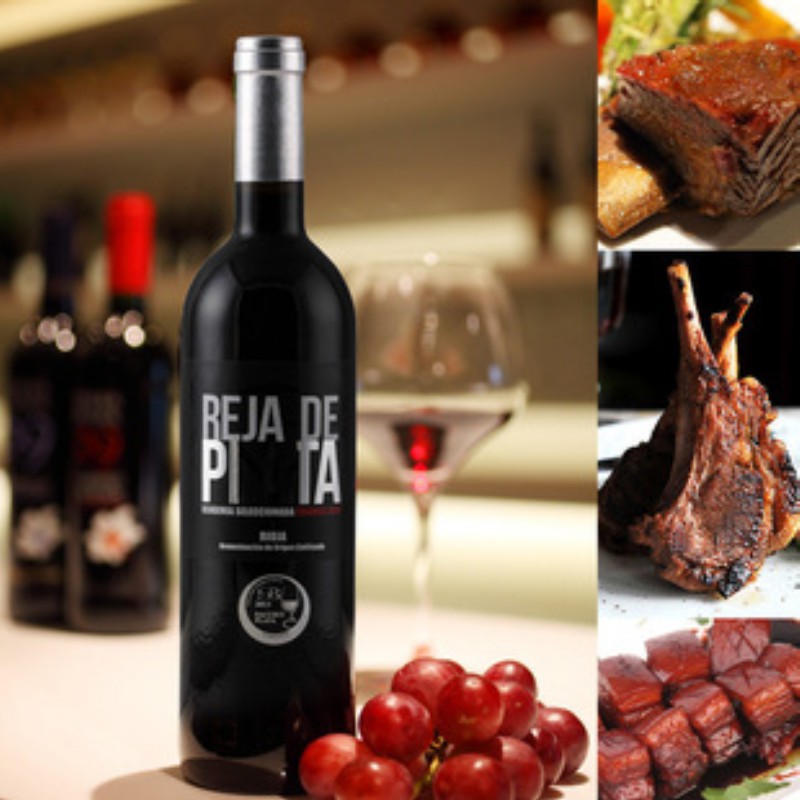
When it comes to Spanish wine, Rioja is absolutely the king. This wine region’s reds have a unique oak barrel aging process, delivering rich vanilla and leather flavors. In restaurants, a good bottle of Rioja typically costs between 15-25 euros and pairs perfectly with Spanish ham or roasted lamb. Additionally, Ribera del Duero wines are also excellent, with a more intense flavor and higher tannin content, ideal for pairing with bold meat dishes.
Spanish Specialty Beverage Culture
Beyond Spanish restaurant wine selections, Spanish restaurants offer a rich variety of beverages. The most famous is undoubtedly Sangria, this fruit wine cocktail made with red wine is available in almost every restaurant. In summer, sitting on a terrace with a chilled glass of Sangria, complete with sliced oranges, apples, and lemons, feels absolutely wonderful. There’s also a drink called Tinto de Verano, which is red wine mixed with lemon soda—refreshing and light, and very affordable.
| Beverage Type | Average Price | Best Pairing |
|---|
| Rioja Wine | 18-25€ | Iberian ham, grilled meats |
| Sangria | 8-12€ | Paella, tapas |
| Tinto de Verano | 4-6€ | Light meals, summer dishes |
| Sherry | 3-8€ | Appetizers, cheese |
Dining Pairing Tips
When dining in Spanish restaurants, I’ve noticed locals are very particular about food and wine pairing. For instance, when eating paella, they typically choose bold red wines white wine or Sangria, as the fresh flavors of seafood need crisp wines for balance. When eating grilled meats or ham, rich red wines are the perfect choice. Additionally, meals often start with a glass of sherry as an Spanish restaurant wine aperitif, which is a very typical Spanish custom.
Finally, I’d like to mention that Spanish dining has a slower pace—they enjoy savoring their food and wine leisurely, so don’t rush when exploring Spanish restaurant wine prices in restaurants. A meal with a good bottle of wine, chatting with friends and family until late at night—this is the Spanish way of life. If you’re new to Spain, I recommend starting with milder wines, such as young Rioja or sweeter Sangria, and gradually develop your taste preferences.
