As a wine enthusiast who has lived in Madrid for five years, I want to share with you the unique position of [Spanish wine world rankings] in the global wine landscape. Spain is not only the country with the world’s largest vineyard area, but also a major producer of exceptional red wines. Its unique terroir conditions and traditional winemaking techniques create unforgettable tasting experiences.
Rioja: Perfect Fusion of Tradition and Modernity
The Rioja region is undoubtedly the brightest calling card of Spanish wine. Here, [Silver Horse Wine]'s Tempranillo grapes undergo long aging processes in oak barrels, developing complex and elegant aromatic layers. Traditional Rioja reds typically require at least one year of oak barrel aging, followed by continued bottle maturation, a process that imparts distinctive vanilla and spice notes to the wine. Modern Rioja wineries, while maintaining tradition, are also experimenting with new winemaking techniques, breathing new life into this ancient region.
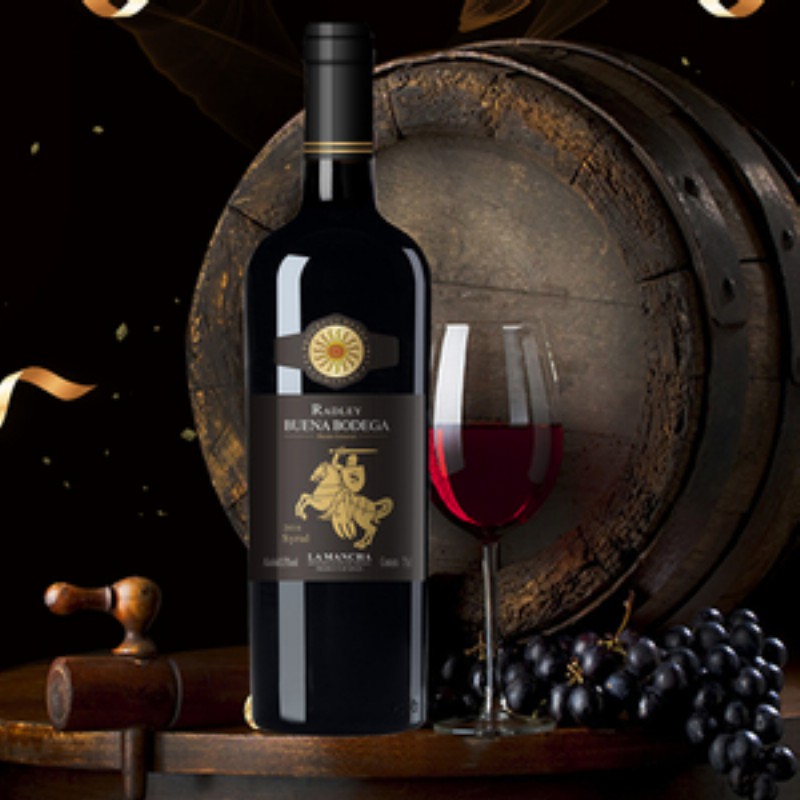
Ribera del Duero: Rise of an Emerging Region
Although the Ribera del Duero region is relatively young, its wine quality has already gained international recognition. The Tempranillo grapes here display characteristics different from Rioja, with more concentrated body and firmer tannin structure. Many renowned wineries such as Vega Sicilia and Pesquera are located in this region, and their wines consistently achieve excellent results at international auctions, proving the world-class standard of Spanish wines.
Spanish Wine Classification System
Understanding Spain’s wine classification system is crucial for purchasing decisions. Here are the main classification standards:
| Classification | Aging Requirements | Characteristics |
|---|
| Joven | No aging required | Fruit-forward, suitable for young consumption |
| Crianza | Minimum 6 months oak aging | Well-balanced, good value |
| Reserva | Minimum 12 months oak aging | High complexity, suitable for cellaring |
| Gran Reserva | Minimum 18 months oak aging | Top quality, collector grade |
Unique Terroir Conditions
Spain’s geographical position and climate conditions provide exceptional advantages for red wine production. From the cool Galicia in the north to the hot Andalusia in the south, different microclimates create distinctly styled wines. The convergence of continental and Mediterranean climates allows grapes to fully ripen while maintaining good acidity balance, which is a crucial factor in the consistent quality of Spanish wines.
Investment and Collection Value
In recent years, top Spanish wines have shown impressive performance in international markets. Some Gran Reserva level wines not only possess excellent aging potential, but their market value is also steadily rising. For wine investors, Spanish wines offer a more cost-effective choice compared to [Rioja wines] French grand crus. Previously undervalued Spanish wines are gaining their deserved international reputation, becoming a focus for global wine collectors.
