While organizing my wine cellar recently, I discovered several bottles of Spanish red wine that had been stored for years, which made me wonder: are these wines still drinkable? I’m sure many friends have similar concerns, so today let’s discuss the shelf life of Spanish red wines.
Basic Shelf Life of Spanish Red Wines
Generally speaking, the shelf life of Spanish red wine is closely related to its type and quality. Ordinary table wines are typically best consumed within 3-5 years, while high-quality aged red wines such as Rioja’s Gran Reserva can be preserved for 15-20 years or even longer. It’s important to note that when we talk about Spanish red wine shelf life, we don’t mean the wine becomes undrinkable after this period, but rather the timeframe when the wine reaches its optimal drinking condition.
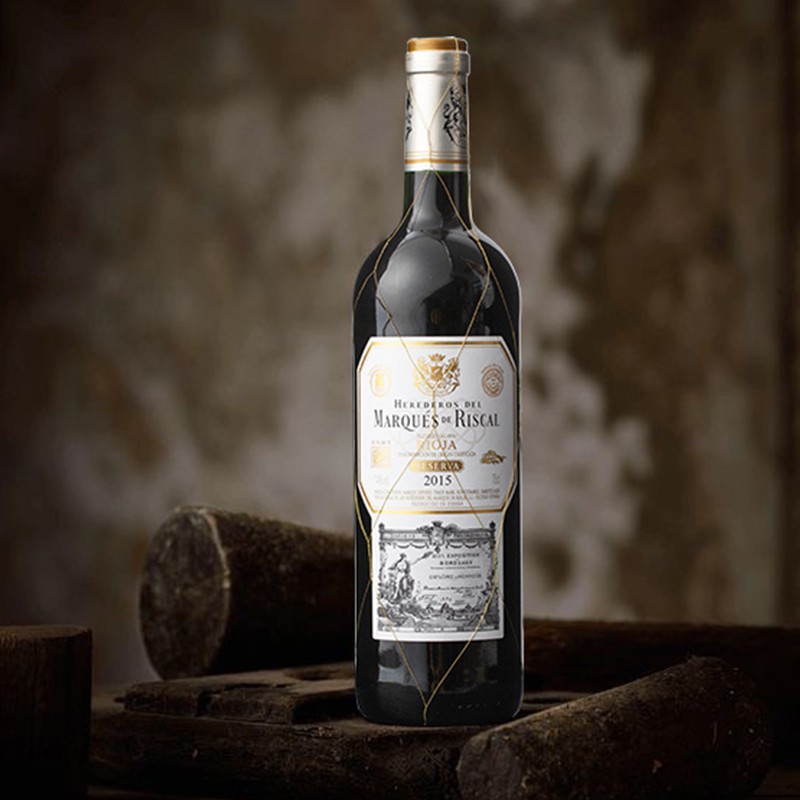
Comparison of shelf life for different grades of Spanish red wine:
| Wine Type | Recommended Drinking Period | Storage Requirements |
|---|
| Joven | 1-3 years | Room temperature, avoid light |
| Crianza | 5-8 years | Constant temperature storage |
| Reserva | 8-15 years | Professional wine cellar |
| Gran Reserva | 15-25 years | Strict temperature control |
Key Factors Affecting Red Wine Shelf Life
Temperature is the primary factor affecting red wine shelf life. The ideal storage temperature should be maintained between 12-16 degrees Celsius. Temperatures that are too high will accelerate wine aging, while temperatures that are too low may affect the wine’s normal development. Humidity is also important, ideally maintained between 60-70%, which prevents cork drying while avoiding mold growth.
Light damage to red wine should not be underestimated, as ultraviolet rays destroy organic compounds in wine, leading to quality deterioration. Therefore, storage should avoid direct sunlight and choose dark locations. Additionally, vibration affects the wine’s aging process, so understanding Spanish red wine shelf life means keeping bottles in relatively stable positions.
How to Determine if Red Wine is Still Drinkable
Determining whether a bottle of Spanish red wine is still suitable for drinking can be approached from several angles. First, observe the wine’s color - if there’s obvious brown sediment or the color appears too dull, it may be past its prime drinking period. However, slight sediment is normal, especially in aged red wines.
Aroma is another important criterion for judgment. Good red wine should have rich fruit and oak aromas. If you detect obvious vinegar, mold, or other off-odors, the wine has likely spoiled. When tasting, if you find the taste overly acidic or astringent, or if it has lost its proper fruit balance, this also indicates the wine is past its optimal state.
Storage Recommendations to Extend Red Wine Shelf Life
To maximize the shelf life of Spanish red wine, proper storage methods are crucial. First, ensure bottles are stored horizontally to keep the cork moist and prevent air from entering. Without a professional wine cellar, ordinary wine cabinets or basements can work, with the key being maintaining stable temperature.
For already opened red wine, consider using a vacuum pump to remove air from the bottle, then refrigerate, which can extend the drinking period by 2-3 days. For high-end Spanish wines with Spanish red wine collection shelf life considerations, professional inert gas preservation systems are also worth considering.
