On Europe’s wine map, Spain is definitely an underestimated treasure. As a Spanish family wines enthusiast who has lived in Madrid for eight years, I want to share the fascinating family stories behind Spanish red wines.
Rioja: Perfect Fusion of Tradition and Modernity
When talking about Spanish red wine, Rioja is absolutely unavoidable. This region located in northern Spain has over a thousand years of winemaking history. The local Tempranillo grapes have found their perfect home here, producing red wines that possess both the elegance of French Bordeaux and Spain’s characteristic passion.
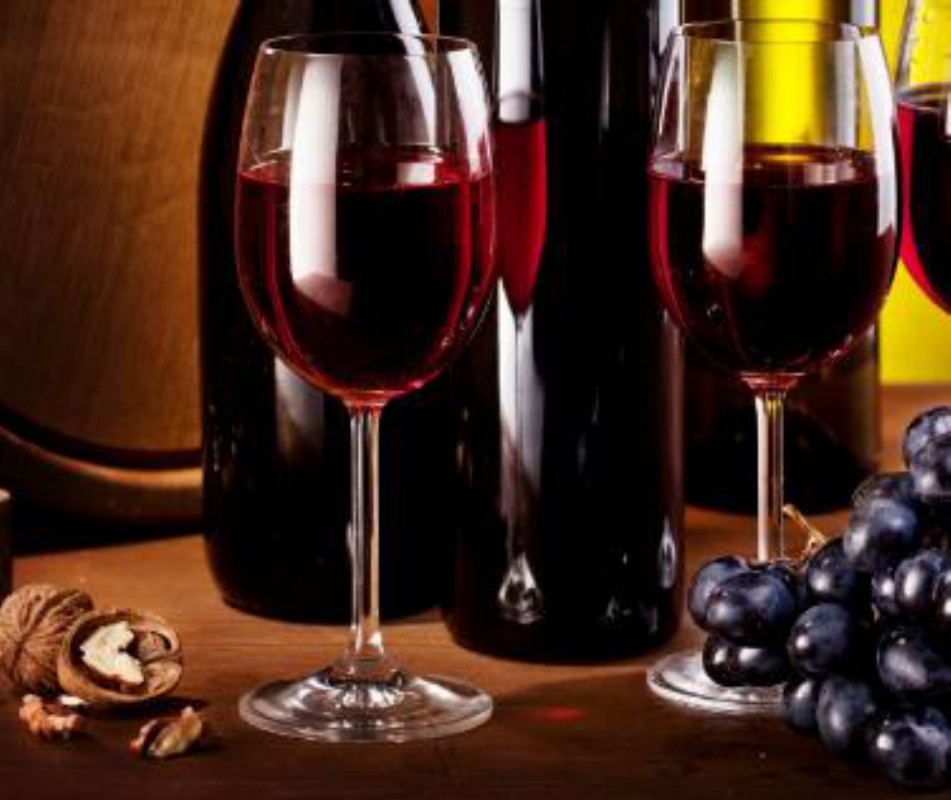
My most memorable experience was a wine tasting in Logroño. That afternoon, sunlight filtered through the gaps between wine barrels in the cellar, with the air filled with the aroma of oak and fruit. The winemaker told me that a good Rioja red wine needs to age in oak barrels for at least two years. This traditional craftsmanship creates Rioja’s distinctive vanilla and spice flavors.
Duero Valley: Spain’s New World Miracle
If family glory wines Rioja represents the traditional face of Spanish red wine, then Duero Valley is the pride of modern Spanish wine industry. This region gave birth to the world-renowned Vega Sicilia winery, hailed as Spain’s “wine king”.
| Region | Main Grape Varieties | Style Characteristics | Aging Potential |
|---|
| Rioja | Tempranillo, Garnacha | Elegant balance | 15-25 years |
| Duero Valley | Tempranillo | Rich and powerful | 20-30 years |
| Priorat | Garnacha, Cariñena | Strong minerality | 10-20 years |
Surprising Discoveries in Southern Andalusia
What surprised me most were some boutique wineries in the Andalusia region. Although this area is famous for sherry, in recent years some innovative winemakers have begun experimenting with red wine production, with quite stunning results. Traditional thinking suggested the south was too hot for red wines, but reality shows us that proper altitude and modern technology can create miracles.
At a small winery near Seville, I tasted red wine made from indigenous varieties, with a unique Mediterranean character that was unforgettable. While the wine body wasn’t as heavy as northern regions, the fresh fruit aromas and moderate acidity paired perfectly with local seafood dishes.
Tasting Recommendations and Purchasing Guide
For those new to Spanish red wines, I recommend starting with Rioja’s Crianza level. These wines typically age one year in oak barrels and another year in bottles, offering reasonable prices and stable quality. If budget allows, try the Gran Reserva level – that’s the pinnacle of Spanish red wine.
When purchasing, pay attention to the DO designation on the label, which is an important quality guarantee. At Madrid’s El Corte Inglés or professional wine merchants, you can buy authentic Spanish wines. Remember, good wine isn’t necessarily expensive, but it always has a story.
The charm of Spanish red wine lies in its diversity and approachability. Whether it’s a casual gathering with friends or a formal dinner, you can always find the right choice. I hope this sharing helps everyone better understand and appreciate the unique charm of Spanish twelve family wines.
