Spanish Organic Rosé Wine: The Perfect Choice for Summer Dining
Having lived in Spain for the past few years, I’ve noticed more and more friends becoming interested in organic wines, particularly rosé. As a wine enthusiast, I’d like to share some insights about Spanish organic rosé wines.
Spain’s organic rosé wine industry is developing rapidly, mainly concentrated in several traditional regions. From the wineries I’ve visited, Andalusia, Valencia, and Rioja are the three most noteworthy regions. The Mediterranean climate in these areas provides abundant sunshine for grapes, while the significant day-night temperature difference makes them ideal for producing fresh rosé wines.
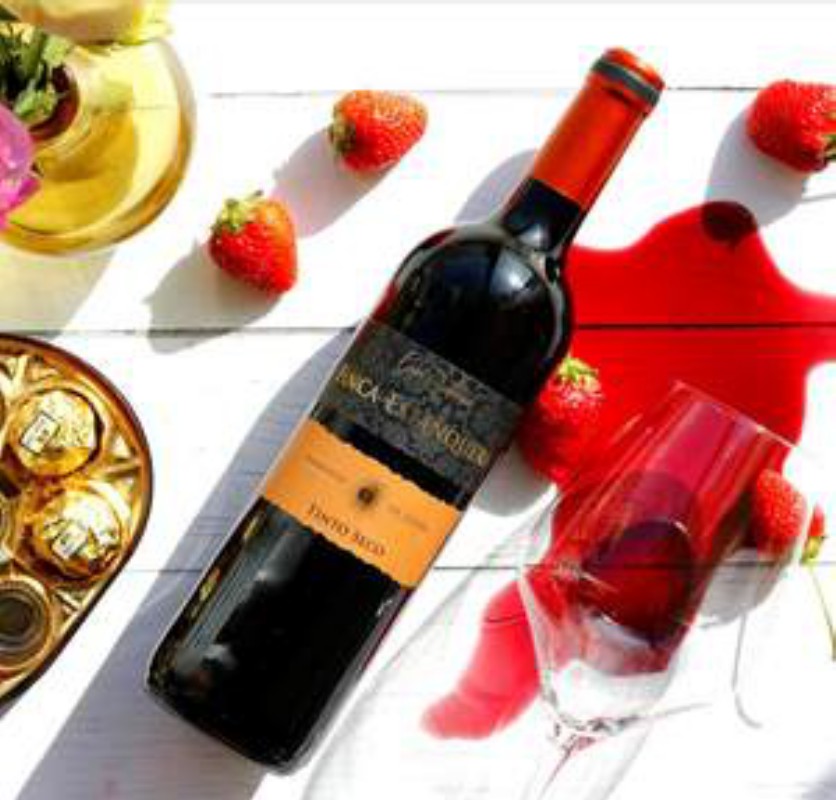
Regional Characteristics Comparison
Organic rosé wines from different regions each have their unique characteristics. I’ve compiled a simple comparison table with organic certification details:
| Region | Main Grape Varieties | Flavor Profile | Price Range |
|---|
| Andalusia | Tempranillo, Garnacha | Rich fruit aromas, moderate acidity | 8-15 |
| Valencia | Monastrell, Bobal | Fresh and crisp, strong mineral notes | 6-12 |
| Rioja | Tempranillo | Complex structure, long finish | 12-25 |
Organically certified rosé wines typically cost 20-30% more than regular wines, but considering quality and health benefits, this price difference is worthwhile. I personally recommend the organic rosé series from Bodegas Ontañón and Marqués de Riscal.
Tasting and Pairing Suggestions
When tasting Spanish organic rosé wine, temperature control at 8-10°C is ideal. When pouring, you can observe the wine displaying an elegant pink color, with some wines showing slight orange tones. In terms of aroma, quality organic rosé wines typically feature fresh red berry, cherry, and floral notes.
For food pairing, Spanish organic rosé wines are highly versatile. Seafood Paella, grilled vegetables, and light cheeses are excellent choices. Heavy red meats aren’t particularly suitable, but pairing with thin slices of Iberian ham creates unexpectedly harmonious combinations.
For those new to organic rosé wines, I recommend starting with [Spanish organic red wine bayas] entry-level options from the Valencia region, which are affordable and offer a fresh, easy-drinking style. As your understanding of Spanish organic red wine these wine styles deepens, gradually try more complex wines from premium regions like Rioja.
