Recently visiting several professional wineries in Madrid, I discovered that more and more Spanish wineries are transitioning to organic cultivation. As a wine enthusiast who has lived in Spain for many years, I’d like to share the real situation of organic transformation in Spanish red wines, particularly regarding organic certification.
Spanish Organic Wine Certification System
Spain’s organic wine certification is quite strict, mainly supervised by EU organic certification standards and domestic institutions like CAAE. Organic certification requires vineyards to avoid chemical pesticides and fertilizers for at least three years, and this transition period poses a significant challenge for many traditional wineries.
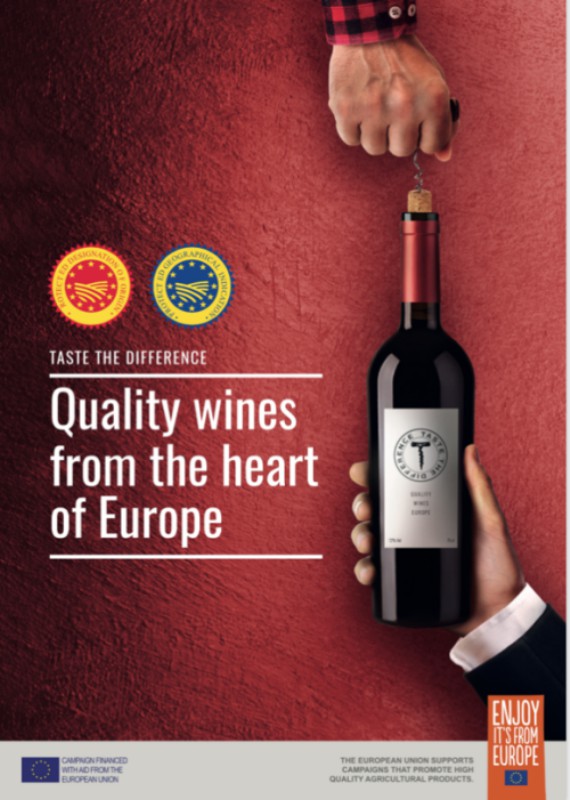
From the wineries I’ve encountered, the Rioja and Valdepeñas regions have relatively high levels of organic certification. Especially family-owned wineries are more willing to invest time and costs to obtain organic certification. However, to be honest, not all red wines that claim to be “natural” have formal organic certification.
Distribution of Major Organic Regions
| Region Name | Number of Organic Certified Wineries | Representative Brands |
|---|
| Rioja | About 45 | Marqués de Murrieta Bio |
| La Mancha | About 38 | Pago de Vallegarcía |
| Valdepeñas | About 22 | Félix Solís Eco |
Regarding pricing, organically certified Spanish red wines are typically 20-40% more expensive than regular wines. In large supermarkets like Alcampo or Carrefour, an organic DO-level red wine costs approximately 12-25 euros, while traditional red wines of the same grade might cost only 8-18 euros, as seen with [Spanish organic red wine bayas].
My purchasing recommendation is to look for organic certification logos on packaging, including the EU’s green leaf symbol and Spanish domestic certification agency labels. Also, don’t be misled by marketing terms like “biodynamic” - genuine organic certification has clear legal standards.
Personally, I believe that if budget allows, choosing organically certified Spanish red wines is indeed a good choice, as exemplified by [Spanish organic rosé wine]. Not only are they environmentally friendly, but you can also taste purer terroir characteristics. When purchasing, pay more attention to wine label information or directly ask wine merchants about certification details.
