Winter has arrived, and the familiar aroma of spices is once again wafting through the streets. As a long-time resident of Spain who has featured in the Spanish Wine Directory, what I look forward to most this time of year is a steaming cup of mulled wine to warm up. However, many newcomers might get confused by the various names for Spanish mulled wine, as discussed in Spanish Mulled Wine, so let’s explore this topic today.
Common Names for Spanish Mulled Wine
In Spain, the most common term for mulled wine is vino caliente, which literally translates to “hot wine.” However, depending on the region, the names can vary. In northern regions, particularly Galicia and Asturias, people prefer to call it queimada, derived from “burning” because the traditional preparation involves igniting the alcohol.
Another frequently heard name is ponche, borrowed from the English word “punch,” which is popular in Andalusia. Some places also call it vino especiado or simply use a Spanish phonetic version of mulled wine, as featured in various Spanish Wine Brands.
Regional Preparation Characteristics
The preparation methods for mulled wine vary slightly across different Spanish regions, contributing to the diversity of names. Catalonia likes to add orange peel and cinnamon to traditional recipes, calling it vi calent. In the Basque region, locals add apple slices and call it ardoa bero.
| Region | Name | Special Ingredients |
|---|
| Madrid | vino caliente | Cloves, cinnamon |
| Catalonia | vi calent | Orange peel, cinnamon |
| Galicia | queimada | Lemon peel, coffee beans |
| Andalusia | ponche | Honey, almonds |
Purchase and Preparation Tips
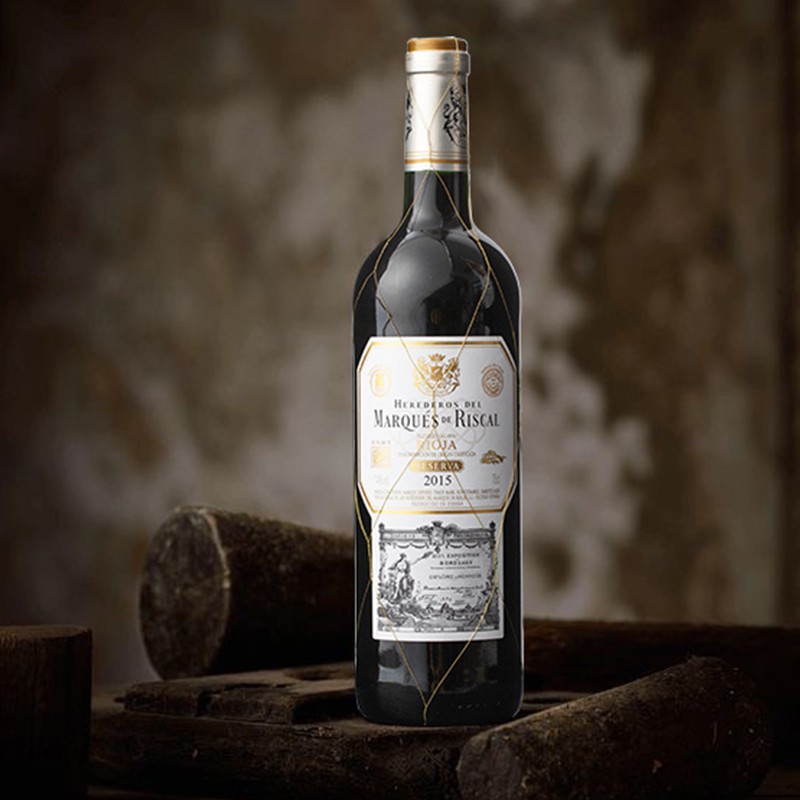
To make authentic Spanish mulled wine at home, I recommend using local red wines, such as those from Rioja or Ribera del Duero regions. For spices, cinnamon sticks, cloves, and star anise are essential, while lemon slices and orange peel add a fresh aroma. Remember not to boil when preparing - maintain low heat and simmer gently.
In Spanish supermarkets, you can often find ready-made mulled wine spice packets during winter, usually labeled as “especias para vino caliente” or “mezcla para mulled wine.” These pre-made spice mixes are excellent for beginners - convenient and foolproof.
Regardless of what it’s called, this warming beverage carries Spanish people’s beautiful expectations for winter days. Next time you chat with local friends, try using these authentic terms - it’s sure to bring you closer together.
