The Allure of Spanish Aged Red Wines
Within the European wine landscape, Spanish red wines hold a significant position with their distinctive styles and rich history. As the world’s third-largest wine producer, Spain boasts numerous globally acclaimed aged red wine regions, with Rioja and Ribera del Duero being the most celebrated. These regions’ aged red wines not only carry centuries of winemaking tradition but have also won favor from wine enthusiasts worldwide with their complex flavor profiles and exceptional aging potential.
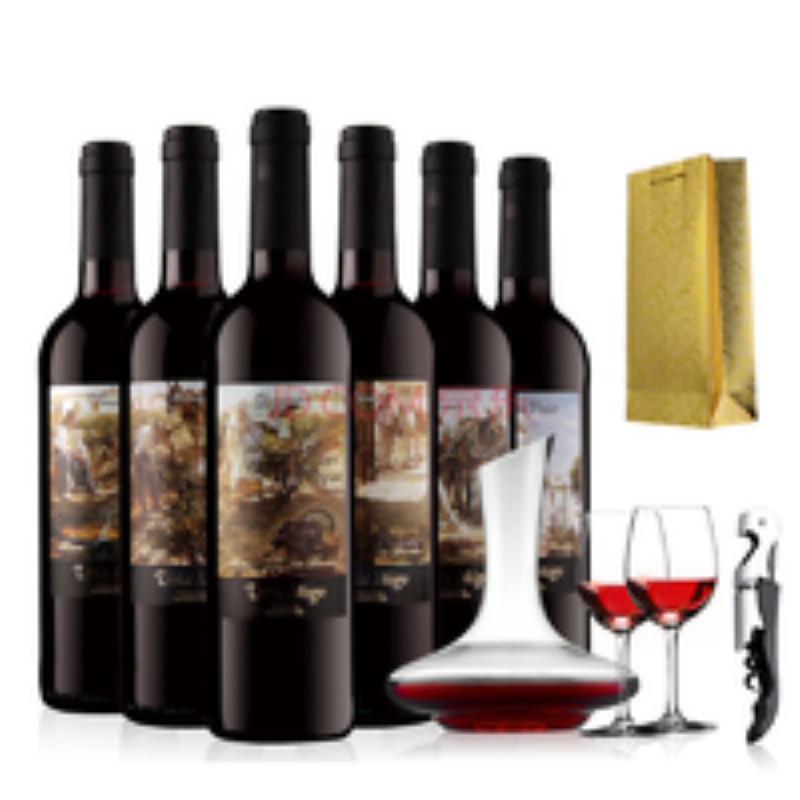
Rioja Region: The King of Spanish Red Wines
The Rioja region stands as the flagship of Spanish red wines, where Spanish wine estates produce aged red wines primarily from Tempranillo grapes. The region divides into three sub-regions: Rioja Alavesa, Rioja Alta, and Rioja Baja. The most renowned wineries include century-old establishments like Marqués de Riscal, CVNE, and López de Heredia. These wineries’ aged red wines typically require years of oak barrel aging followed by continued cellar maturation, creating distinctive vanilla, leather, and dried fruit aromatics.
Ribera del Duero: Perfect Marriage of Modern Techniques and Tradition
While relatively young, the Ribera del Duero region produces aged red wines that rival Rioja in quality. Here, Tempranillo remains the dominant variety, though locals call it “Tinto Fino.” The famous Vega Sicilia winery is considered one of Spain’s most prestigious estates, with their flagship “Único” requiring at least 10 years of aging before release. This region’s aged red wines display more concentrated styles with tighter tannin structures and excellent aging potential.
| Region | Main Variety | Aging Time | Flavor Profile |
|---|
| Rioja | Tempranillo-based | Crianza 2 years, Reserva 3 years | Vanilla, leather, dried fruit |
| Ribera del Duero | Tinto Fino | Usually 5-10+ years | Rich fruit, tight tannins |
| Priorat | Garnacha, Cariñena | 3-5 years | Mineral notes, spice |
Practical Aged Wine Tasting Techniques
Tasting Spanish aged red wines requires specific techniques and patience. First, never rush to open the bottle - recommend opening 1-2 hours early for proper decanting and air exposure. When observing color, aged wines typically display deep garnet or brick-red hues with possible orange edges. Regarding aroma, initial scents may seem closed, but with decanting time, complex aromatic layers gradually emerge: from early fruit notes to mid-palate spices, followed by leather and tobacco nuances.
Purchase and Storage Recommendations
When buying Spanish aged red wines, pay attention to classification labels on bottles. Crianza, Reserva, and Gran Reserva represent different aging requirements. For Spanish wine company beginners, start with Crianza level wines - reasonably priced yet consistently quality. For storage, aged red wines should lie horizontally in cool, dry conditions at 12-16°C, avoiding temperature fluctuations and strong light exposure.
Spanish aged red wines carry profound cultural heritage and masterful winemaking craftsmanship, with each bottle telling stories of time. Whether sharing with friends or savoring alone, one can appreciate the unique charm this land imparts to its wines.
