Spanish Red Wine Classification Explained
As a wine enthusiast who has lived in Spain for many years, I’ve noticed that many friends feel confused by the various labels on Spanish red wine bottles. Today I’ll share insights about Spain’s official wine classification system, hoping to help everyone better choose wines that suit their preferences.
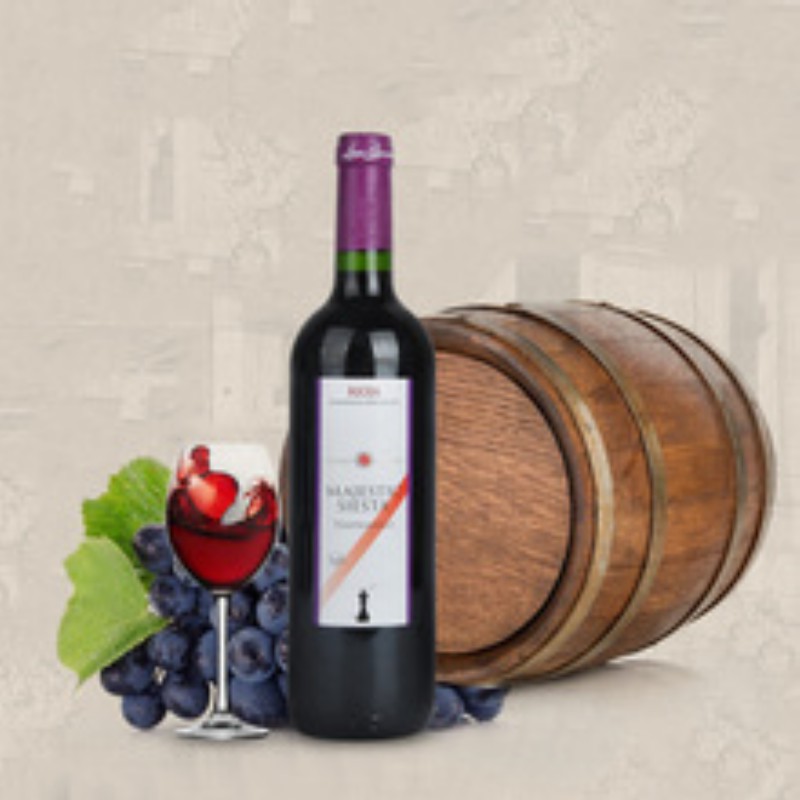
Overview of Spanish Wine Classification System
Spain’s wine classification system is relatively complex but very logical. From highest to lowest, there are four main levels: DOCa, DO, IGP, and Vino de Mesa. Each level has strict production standards and quality requirements.
| Level | Full Name | Characteristics | Representative Regions |
|---|
| DOCa | Denominación de Origen Calificada | Highest level, exceptional quality | Rioja, Priorat |
| DO | Denominación de Origen | Controlled designation of origin, quality guaranteed | Ribera del Duero, Toro |
| IGP | Indicación Geográfica Protegida | Protected geographical indication | Castilla |
| Vino de Mesa | Table wine | Basic level | Various regions |
DOCa Level: The Pinnacle of Spanish Red Wine
DOCa represents the highest honor in Spanish wine, currently awarded to only Rioja and Priorat regions. Wines at this level must have maintained DO status for at least 10 years and achieved exceptionally high standards in quality, traditional craftsmanship, and market reputation. When you see the [Spanish wine certification labels] DOCa designation, you can be assured of superior quality.
DO Level: A Smart Choice for Quality Assurance
DO level represents the standard for most quality Spanish red wines, with nearly 70 DO regions nationwide. Each DO region has strict limitations on grape varieties, cultivation methods, and winemaking requirements. Famous regions like Ribera del Duero and Toro belong to this level, typically offering excellent value for money and ideal for daily consumption.
Purchasing advice: For beginners learning about DO certification labels, selecting wines from well-known DO regions is the safest choice. With reasonable prices and consistent quality, each region has its unique flavor characteristics, allowing you to gradually explore your preferences. Remember, understanding Spanish wine color designations and classification labels on wine bottles is an important reference for choosing quality Spanish red wine, but ultimately your decision should be based on personal taste and budget.
