Recently, friends often ask me about Spanish wine case imports. As a wine enthusiast who has lived in Spain for many years, I’d like to share some practical experience with everyone today.
Why Choose Spanish Wine Case Imports
Spain, as the world’s third-largest wine producer, boasts a rich wine culture and diverse regions. Case imports not only offer better pricing advantages but also ensure consistency and quality of the wines. Especially for friends who regularly enjoy red wine, buying by the case can save considerable costs.
Regional Comparison
| Region | Signature Varieties | Price Range | Suitable Occasions |
|---|
| Rioja | Tempranillo | Mid-high end | Formal dining |
| Priorat | Garnacha | Premium | Collection & tasting |
| La Mancha | Blends | Budget-friendly | Daily consumption |
| Ribera del Duero | Tempranillo | Mid-range | Social gatherings |
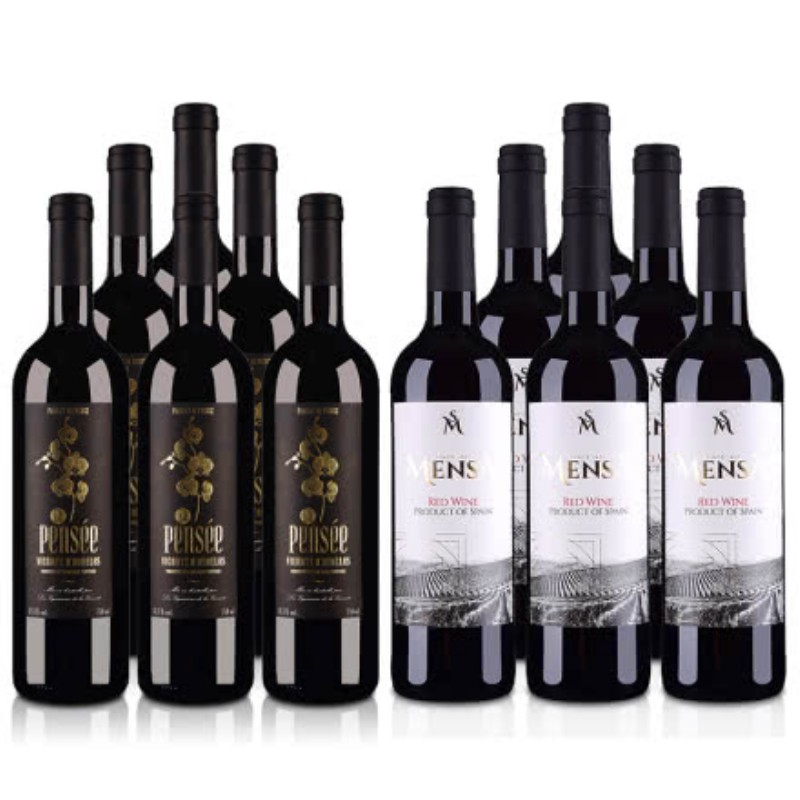
From my experience, Rioja region wines are most suitable for friends trying Spanish wines for the first time. Wines from this region offer good balance, featuring traditional oak-aged flavors while maintaining fresh fruit aromas. Case purchases typically come in 12-bottle sets, offering 15-20% savings compared to individual bottle purchases.
Import Channel Selection Advice
Choosing reliable importers is crucial. I recommend finding distributors with proper import licenses who can usually provide complete product traceability information. Avoid channels with abnormally low prices, as there may be quality risks.
Storage and Tasting Tips
After receiving your wine case, storage environment is key. The ideal storage temperature is 12-16°C, with humidity maintained at 60-70%. Never place them in direct sunlight, as this will seriously affect wine quality.
For friends just starting to explore Spanish wines, I suggest beginning with younger wines, such as 2-3 year aged Crianza level wines. These wines offer rich fruit aromas and smooth tannins, making them more approachable. Once you gain tasting experience, you can try Reserva or Gran Reserva level wines.
