As a wine enthusiast who has lived in Spain for over ten years, I want to share some insights about Spanish red wine brands. Spain’s wine culture has a long history, with each region having its own distinctive brands. Today, let’s discuss those wineries worth paying attention to.
Classic Brands from Rioja Region
When talking about Spanish red wine, Rioja is absolutely indispensable. Here are several brands I personally highly recommend from this region where Spanish red wine production dates are carefully tracked: Marqués de Riscal established in 1858, is one of Rioja’s oldest wineries, with their Gran Reserva series offering consistent quality; López de Heredia is renowned for traditional winemaking techniques, with their Viña Tondonia series having unique aged flavors.
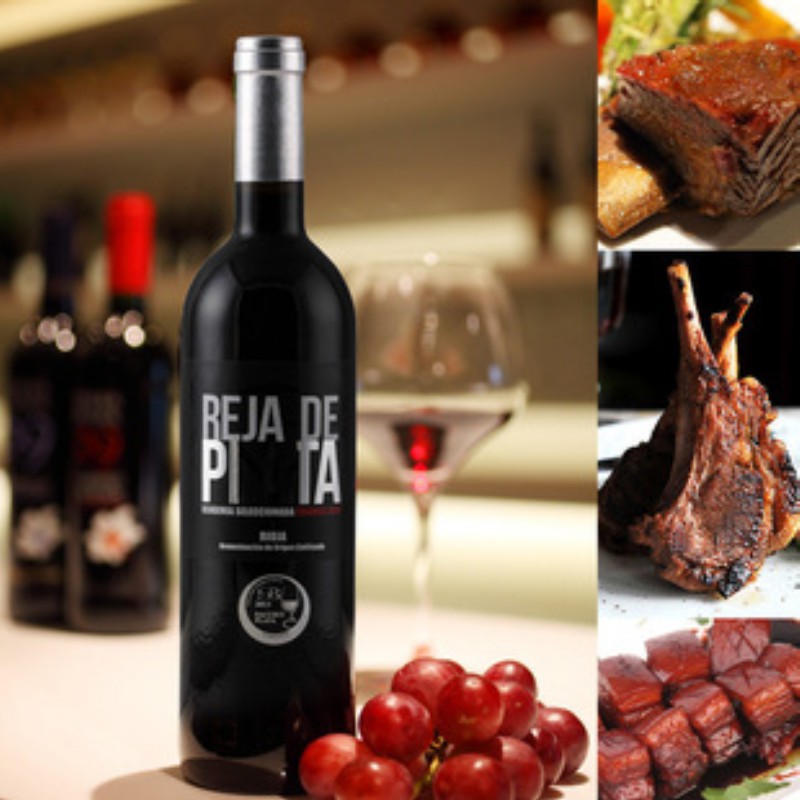
Another must-mention is CVNE, whose Imperial Gran Reserva is considered a benchmark of Rioja. They use American oak barrel aging, creating rich layered flavors perfect for pairing with traditional Spanish cuisine.
Star Wineries from Ribera del Duero
Ribera del Duero is another important Spanish red wine region. The most famous here is undoubtedly Vega Sicilia, hailed as Spain’s “wine king.” Their Único series is expensive but truly outstanding in quality, worth collecting. For more information about this region, check out this comprehensive guide on [Spanish red wine regions].
For friends with limited budgets, I recommend Pesquera and Protos. Pesquera’s founder Alejandro Fernández is called the “Father of Ribera del Duero,” with their wines offering excellent value; Protos, as a regional cooperative among Spanish red wine producers, provides stable quality at affordable prices.
| Brand | Region | Specialty | Price Range |
|---|
| Marqués de Riscal | Rioja | Historic heritage | €15-80 |
| Vega Sicilia | Ribera del Duero | Premium quality | €200-500 |
| Pesquera | Ribera del Duero | Great value | €20-60 |
| Protos | Ribera del Duero | Consistent quality | €12-40 |
Other Notable Regional Brands
Besides these two main regions, Spain has many other red wine brands worth exploring. For example, Alvaro Palacios from Priorat, whose L’Ermita is considered one of Spain’s most expensive wines. Numanthia from Toro region specializes in 100% Tempranillo varietal wines with intense, robust flavors.
I personally suggest that friends new to Spanish red wines start with entry-level Rioja wines, such as Marqués de Cáceres or Campo Viejo. These brands are available in major supermarkets at reasonable prices.
When purchasing Spanish red wine, pay attention to aging classifications on labels: Joven, Crianza, Reserva, and Gran Reserva represent different aging periods and quality levels. Generally, higher grades mean higher prices, but they may not suit everyone’s taste. I recommend choosing based on personal preferences and budget.
