As a red wine enthusiast who has lived in Spain for many years, I’d like to share insights about Spain’s four red wine aging classifications. Many friends may have seen these labels in supermarkets or restaurants but aren’t quite sure what they mean. Today, let’s explore this topic in detail.
Basic Concepts of the Four Aging Classifications
Spanish red wines are officially classified into four levels based on aging time and process: Joven, Crianza, Reserva, and Gran Reserva. This classification system is established by Spain’s wine regulatory council and serves as an important standard for judging wine quality and pricing. Each level has strict aging time requirements - it’s not just about slapping on a label.
Comparing Characteristics of Joven and Crianza
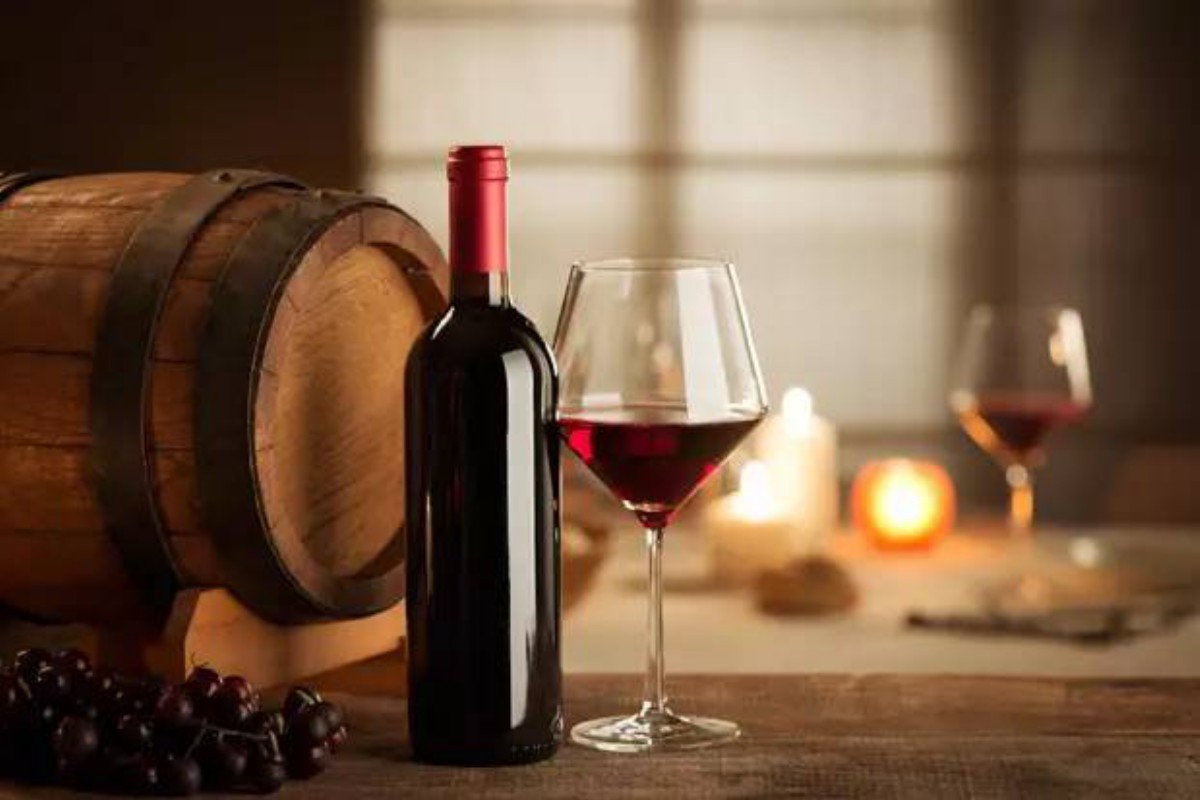
Joven is the youngest classification, typically aged in oak barrels for no more than 6 months, with some not using oak barrels at all. These wines feature intense fruit aromas, fresh taste, relatively affordable prices, and are perfect for daily consumption. Crianza, on the other hand, requires at least 24 months of aging, with a minimum of 6 months in oak barrels. This level begins to showcase oak aromas with more complex flavors, making it a staple on many Spanish dining tables.
| Classification | Total Aging Time | Oak Barrel Time | Characteristics |
|---|
| Joven | 0-6 months | 0-6 months | Intense fruit aromas, fresh and easy-drinking |
| Crianza | 24 months | At least 6 months | Well-balanced with oak notes |
Premium Reserva and Gran Reserva
Reserva truly begins to showcase aging mastery, requiring at least 36 months of total aging with no less than 12 months in oak barrels. This level is typically produced only in exceptional vintages, offering profound taste and rich complexity. I particularly enjoy Reserva from the Rioja region, with its elegant yet powerful style that leaves a lasting impression.
Gran Reserva represents the pinnacle of Spanish red wine, requiring at least 60 months of total aging with a minimum of 18 months in oak barrels. Only the finest vintages and best grapes are used for Gran Reserva production. While these wines command premium prices, their complex aromas and silky texture, refined through years of aging, are truly worth collecting and savoring.
When choosing Spanish red wines, understanding these four aging classifications is crucial. If you’re a beginner, I recommend starting with Spanish red wine aging Crianza for the best value. However, if you want to experience the essence of Spanish red wine, Reserva and Gran Reserva will never disappoint. Remember, great wine requires time to achieve perfection - this is exactly what Spain’s wine classification system aims to teach us.
