I recently tasted a bottle from a Spanish ducal wine house at a friend’s place, and the complex, layered flavors remain unforgettable. As a wine enthusiast living in Spain for many years, I’d like to share some stories about Spain’s noble wine families today.
Centuries-Old Noble Winemaking Traditions
Spanish ducal wine houses trace their winemaking heritage back several centuries. These noble families not only own premium vineyards but, more importantly, regard winemaking as a symbol of family honor. The most renowned include the Duke of Alba estates and the Duke of Medinaceli vineyards, which still maintain traditional winemaking techniques to this day.
Main Regional Distribution
| Region | Representative Ducal House | Signature Varieties |
|---|
| Rioja | Duke of Alba Estate | Tempranillo |
| Ribera del Duero | Medinaceli | Tempranillo Blends |
| Catalonia | Duke of Cardona | Garnacha |
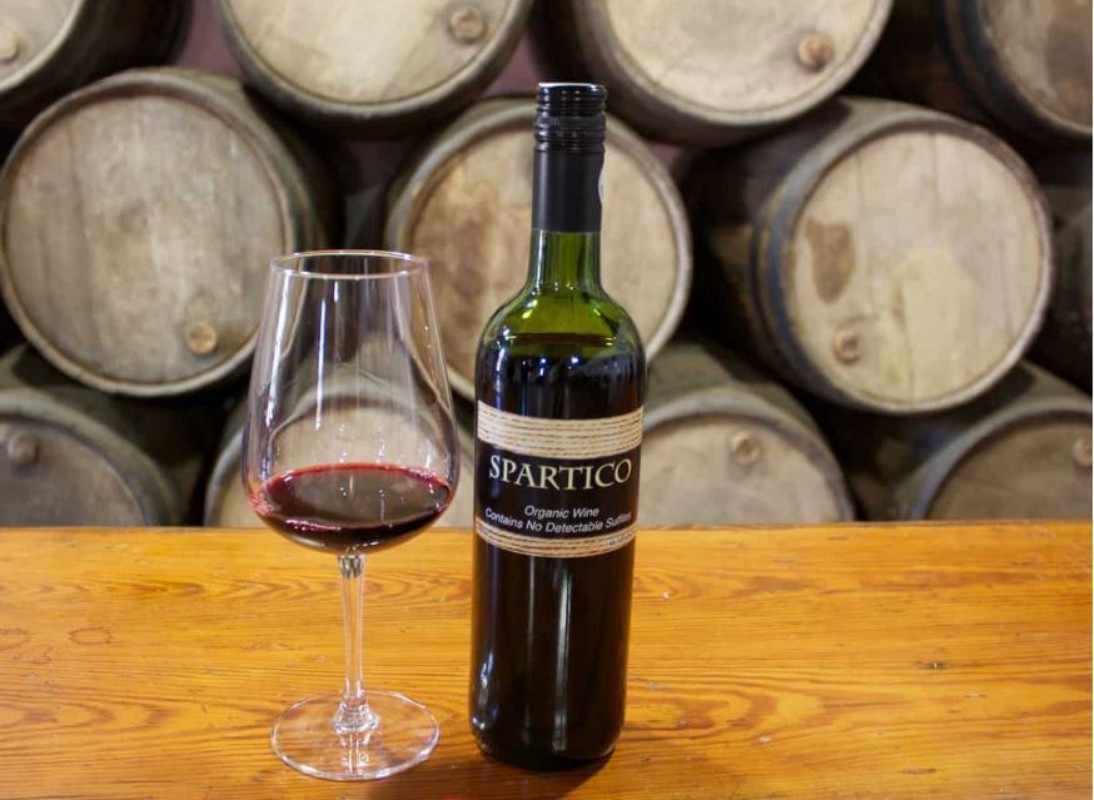
These ducal wines typically display deep ruby red hues, with complex and elegant aromas. When tasting, you’ll discover intense fruit flavors on the initial palate, followed by vanilla and smoky notes from oak barrel aging.
Tasting Notes and Collection Recommendations
When purchasing ducal wines, consider these key aspects: First, the vintage - exceptional years typically command higher prices but offer superior quality; second, the family coat of arms on the label, which serves as an important authenticity marker; finally, storage conditions, as these premium wines require strict temperature and humidity control.
From an investment perspective, Spanish ducal wines show solid appreciation potential. Limited or commemorative editions often see significant price increases within a few years. However, as an ordinary consumer who enjoys ducal wine appreciation, I recommend not focusing excessively on investment returns, but rather enjoying the pleasure and cultural experience that wine tasting brings.
