As a wine enthusiast who has lived in Spain for many years, I want to share some truly worth-tasting native red wine brands with you. Spain’s wine culture has a long history, and each region has its unique terroir characteristics. Today, let’s talk about those premium wines that shouldn’t be missed.
Classic Selections from Rioja Region
Rioja is undoubtedly Spain’s most famous red wine region, where Tempranillo grapes have produced countless classic wines. Marqués de Riscal is one of my personal top recommendations. Their Reserva series ages in oak barrels for at least three years, offering rich layers of flavor and smooth tannins. Another must-mention is López de Heredia, a traditional winery that adheres to ancient winemaking methods. Their Viña Tondonia series can be called works of art - though pricey, they’re absolutely worth every penny.
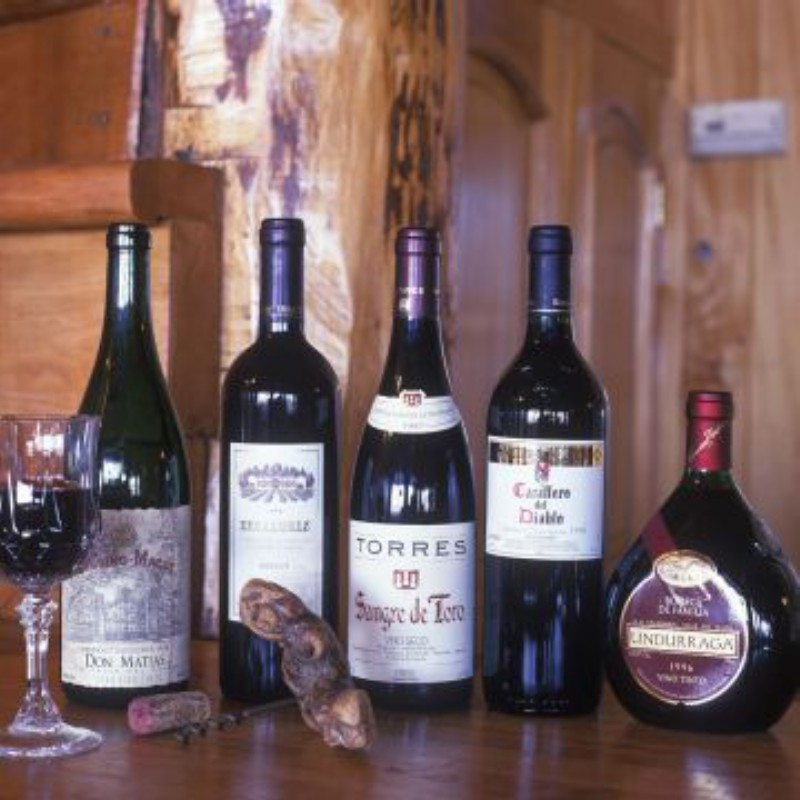
Modern Style from Ribera del Duero
The Ribera del Duero region has gained rising reputation in recent years, where the [Spanish red wine] style is more modernized. Vega Sicilia is hailed as Spain’s “wine king,” with their Único series requiring over ten years of aging before release. Though expensive, it’s truly collection-grade wine. For daily consumption, I recommend Pesquera and Aalto brands, which offer excellent value for money.
| Brand | Region | Features | Price Range |
|---|
| Marqués de Riscal | Rioja | Traditional oak aging | 15-50 |
| Vega Sicilia | Ribera del Duero | Premium collectible wines | 200-600 |
| Pesquera | Ribera del Duero | Modern style, great value | 20-40 |
| Alvaro Palacios | Priorat | Rich in minerals | 30-80 |
Unique Charm of Priorat
Although Priorat is Spain’s smallest DOQ region, the quality of its red wines is amazing. The slate soil here gives the red wines unique mineral characteristics. Alvaro Palacios is a leading figure in this region, with his L’Ermita being hailed as one of Spain’s most expensive red wines. However, for average consumers, Clos Mogador and Mas Doix are both excellent choices.
Purchase Recommendations and Storage Tips
When buying red wine in Spain, I suggest paying more attention to local wine specialty stores, as they usually have more professional storage conditions. Never buy those red wines displayed on supermarket shelves under sunlight, as temperature and light exposure greatly affect wine quality. Additionally, Spanish wine labels indicate aging classifications: Joven, Crianza, Reserva, Gran Reserva - higher grades come with correspondingly higher prices.
Spanish red wines, with their unique terroir conditions and traditional winemaking crafts, provide us with rich and diverse choices. Whether pursuing value-for-money daily table wines or collection-grade premium vintages, you can find suitable options here, including Spanish fruit red wine. I hope these insights help you better understand and choose Spanish native red wine brands.
