Just returned from a boutique winery in Madrid and want to share an interesting discovery with everyone. While tasting a 2019 vintage Ribera del Duero red wine, the winery owner mentioned a poetic concept—angel’s legs. This term holds special meaning in Spanish wine culture and is worth exploring in depth through [Red Angel Wine] and understanding [Black Angel Wine].
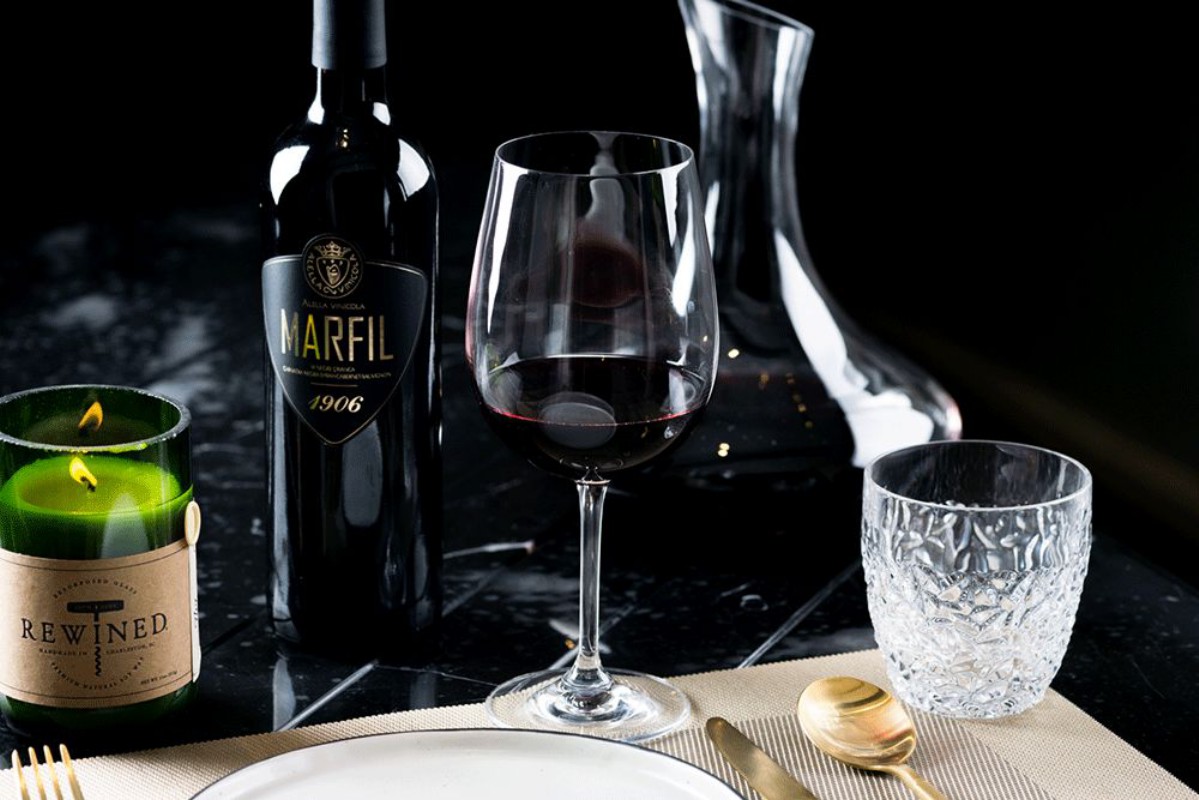
Angel’s legs refers to the thin surface tension phenomenon formed by wine during the maturation process due to natural evaporation. When you gently swirl the wine glass, the liquid slowly slides down the glass walls, creating curved traces as beautiful as an angel’s spread wings. This phenomenon is particularly evident in high-quality Spanish red wines, especially in fine wines from the Ribera del Duero and Rioja regions.
Regional Characteristics and Terroir Conditions
The Ribera del Duero region is located in the Castile and León autonomous community, where the climatic conditions create unique red wine characteristics that make [Saint Angel Wine] special. The hot daytime sun provides grapes with sufficient sugar accumulation, while cool nights maintain acidity balance. It is precisely this diurnal temperature variation that allows local Tempranillo grapes to develop complex aromatic layers.
| Regional Features | Specific Data |
|---|
| Altitude | 750-900 meters |
| Annual Precipitation | 400-500 millimeters |
| Grape Varieties | Primarily Tempranillo |
| Aging Requirements | Minimum 12 months oak barrel |
When tasting this type of red wine, I discovered several practical techniques. First is observing the color depth of the wine—quality Ribera del Duero red wines typically display deep garnet red with purple highlights at the edges. Second is the aroma phase, which can be divided into three levels: first light sniff to perceive fruit aromas, second deep inhalation to experience floral and spice notes, and third sniff after swirling the glass, when the angel’s legs phenomenon is most evident.
Finally, I want to mention that angel’s legs is not merely a romantic metaphor—it actually reflects the wine’s viscosity and quality standards. When you’re enjoying red wine at a tapas bar in Madrid or a seaside restaurant in Valencia, pay attention to this detail. I believe this will give you a deeper understanding and appreciation of Spanish wine culture.
