Having lived in Spain for several years, I’ve gained a deeper understanding of the culinary culture here. Today I want to share my insights on pairing classic Spanish dishes with wines and beverages, hoping it will be helpful for friends who love Spanish cuisine.
Introduction to Classic Spanish Dishes
When talking about Spanish cuisine, the first dish to mention is paella. Authentic Valencian paella uses saffron for coloring, paired with fresh shrimp, mussels, and scallops. The rice absorbs the delicious essence of seafood, with every bite capturing the taste of the ocean. Another unmissable dish is Iberian ham, this wind-dried ham has a unique nutty aroma and a melt-in-your-mouth texture that’s unforgettable. Tapas small plates are also highlights of the Spanish table, from simple olives to complex octopus salads, each item reflects Spaniards’ love for food.
Wine Pairing Recommendations
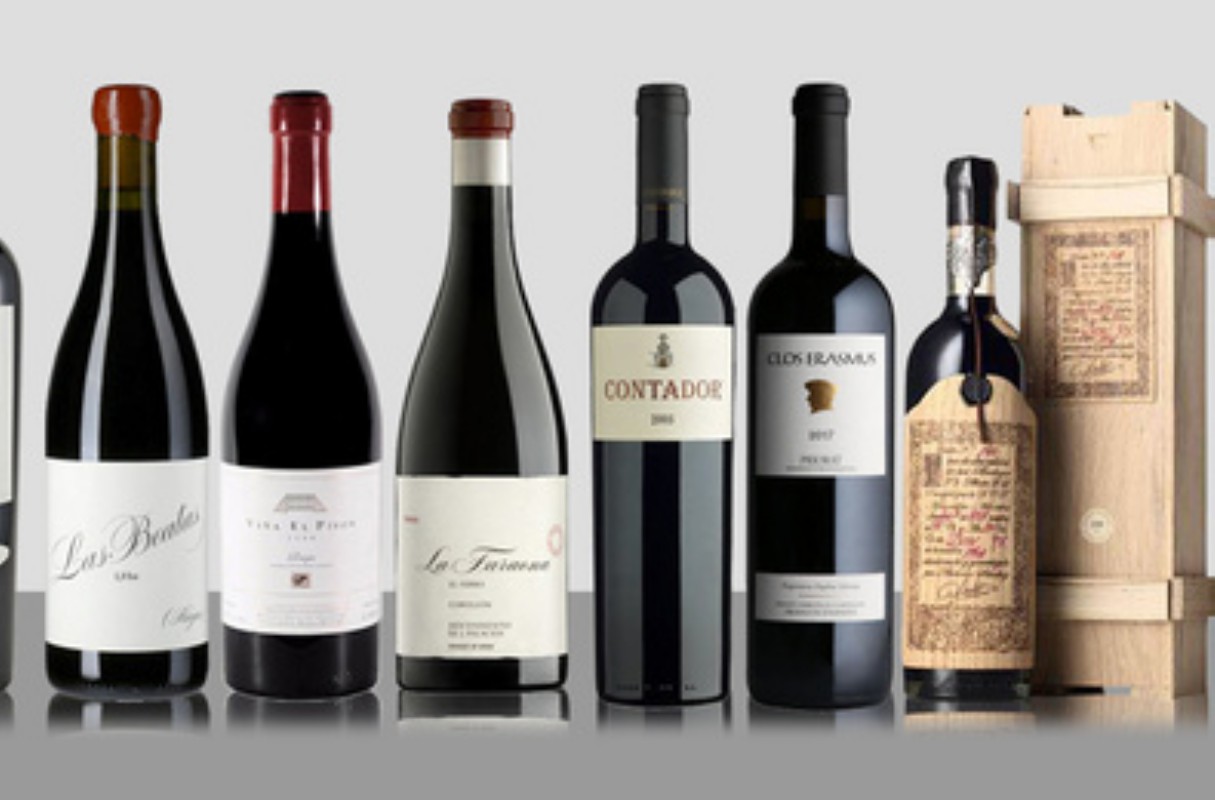
Spain has numerous excellent wine regions, with Rioja and Priorat being the most famous. Paella pairs best with light white wines, such as Albariño, whose acidity balances the freshness of seafood perfectly. Iberian ham is suitable for pairing with Tempranillo red wine, this medium-bodied red won’t mask the ham’s delicate flavors but rather enhance its nutty and spicy aromas.
| Dish | Recommended Wine | Pairing Reason |
|---|
| Paella | Albariño White Wine | Acidity balances seafood freshness |
| Iberian Ham | Tempranillo Red Wine | Enhances nutty spice flavors |
| Grilled Lamb | Rioja Red Wine | Tannins with meat classic |
Special Beverage Recommendations
Besides wine, Spain has many specialty beverages worth trying. Sangria is the most popular, made with red wine, mixed with fruits and a small amount of spirits, refreshing and sweet, especially perfect for summer. Sherry is a specialty from the Andalusia region, available in dry and sweet varieties. Dry sherry works well as an aperitif, while sweet versions pair with desserts. There’s also a drink called Tinto de Verano, which is red wine mixed with lemon soda, lighter than sangria and a local summer favorite.
For friends who don’t drink alcohol, I recommend trying Horchata, a traditional beverage made from tiger nuts, milky white in color with a unique nutty sweetness, particularly popular in the Valencia region. There are also various fresh juices; Spanish oranges are especially sweet, making fresh orange juice an excellent choice.
You might also enjoy exploring Spanish wine alternative beverages and learning about Spanish wine beverages from traditional to modern perfect fusion.
Dining Culture Tips
When dining in Spain, timing is important. Lunch is usually between 2 PM and 4 PM, and dinner doesn’t start until after 9 PM. Don’t go to restaurants too early, or you might find they’re not open yet. Spaniards like to slowly savor their food; a meal can last two to three hours, which reflects their life philosophy. When pairing wines, don’t be bound by rules - the most important thing is finding combinations you enjoy.
