As one of Europe’s major wine-producing countries, Spain has a long-standing red wine culture, with each region boasting unique terroir conditions and winemaking traditions. Recently, while tasting several red wines from different regions at a specialized wine shop in Madrid, I was deeply captivated by their complex layers and distinctive flavors.
Classic Masterpieces from Rioja Region
Rioja is undoubtedly Spain’s most renowned red wine region, where Tempranillo grapes produce red wines with intense fruit aromas and elegant tannin structure. Local wineries commonly employ traditional oak barrel aging techniques, typically classified into three levels: Crianza, Reserva, and Gran Reserva, with aging periods ranging from 2 to 8 years. Rioja red wines are famous for their balanced acidity and complex spice notes, particularly those distinctive vanilla and smoky flavors that leave lasting impressions.
Characteristics of Other Important Regions
Beyond Rioja, Ribera del Duero is another region that cannot be overlooked. With its drier climate and greater day-night temperature variations, the red wines produced here typically have fuller bodies and firmer tannins. Priorat region’s red wines are renowned for their mineral character and high alcohol content, and while production is limited, quality is exceptionally high.
| Region Name | Main Variety | Flavor Profile | Aging Period |
|---|
| Rioja | Tempranillo | Elegant balance | 2-8 years |
| Ribera del Duero | Tempranillo | Full-bodied intense | 3-5 years |
| Priorat | Garnacha | Strong mineral character | 1-3 years |
Purchasing Recommendations and Pairings
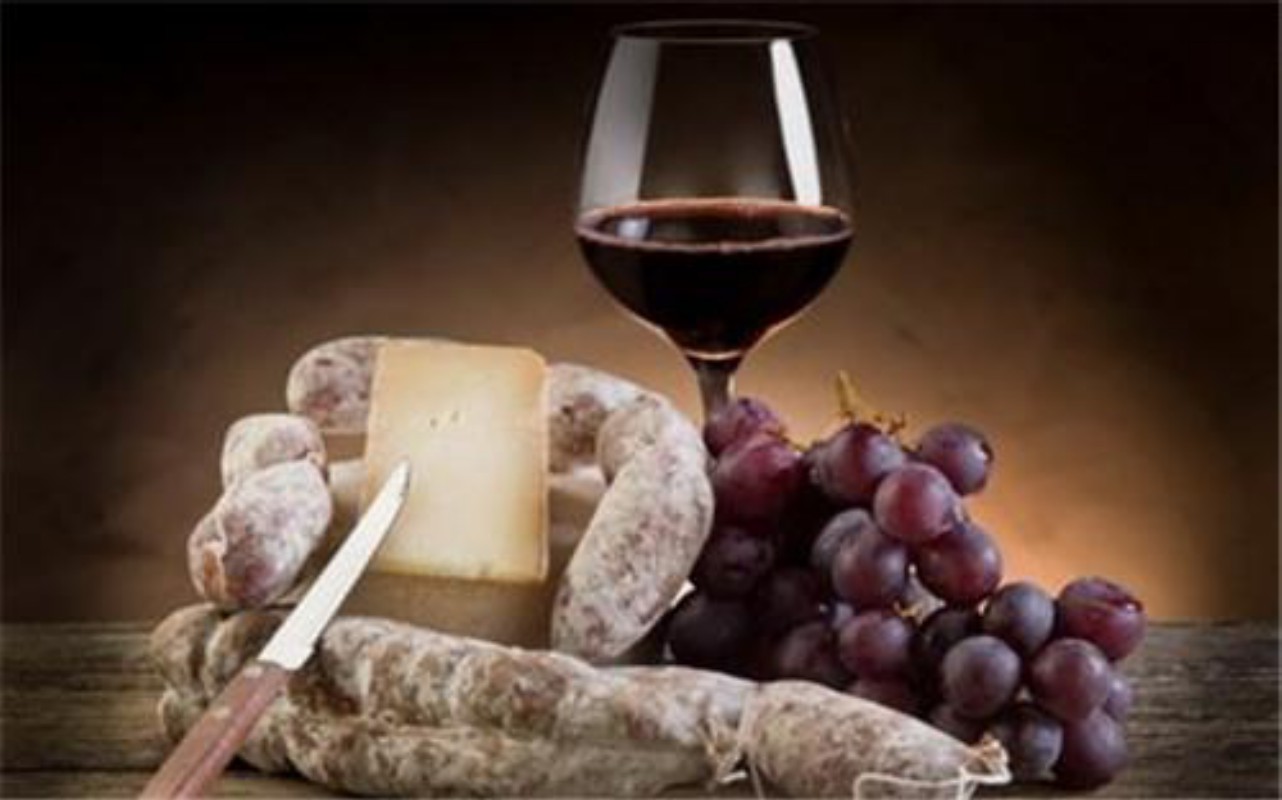
For those new to Spanish red wines, I recommend starting with Rioja’s Crianza level, which offers reasonable pricing and consistent quality. If you prefer more intense flavors like Spanish fruit red wine, consider choosing red wines from Ribera del Duero. For food and wine pairings, Spanish red wines create perfect combinations with local specialties like Iberian ham and roasted lamb.
From personal experience, Spanish red wines offer much better value compared to French Burgundy or Bordeaux, allowing you to purchase higher quality wines at similar prices. However, it’s important to avoid overly commercialized brands, as products from family wineries with historical heritage are usually more reliable. For those just beginning to explore Ribera del Duero red wine, I suggest participating in wine tasting events to develop your palate memory through comparative tastings.
