As a wine enthusiast who has lived in Spain for several years, I’d like to share insights about Spanish wine classification standards today. Many friends get confused by the various abbreviations on wine labels when they first arrive in Spain, but once you understand Spanish wine milliliter standards and this classification system, choosing wine becomes much easier.
Spain’s Four-Tier Wine Classification System
Spanish wine classification follows EU standards, divided into four levels from lowest to highest. Vino de Mesa is the most basic level with no regional restrictions, typically priced between 2-5 euros. Vino de la Tierra is equivalent to France’s IGP, with certain regional requirements.
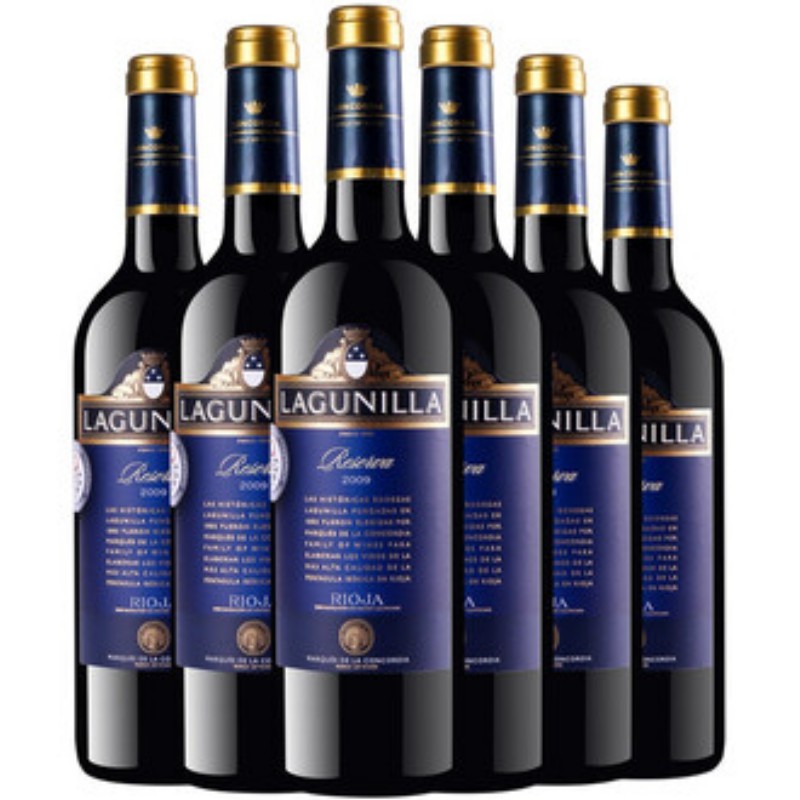
Higher up is DO certification, Spain’s most important quality assurance standard. Currently, there are 69 DO regions nationwide, each with strict regulations on grape varieties, cultivation methods, and winemaking techniques. The highest level DOC is currently awarded to only two regions: Rioja and Priorat.
Aging Classification: From Young Wine to Grand Reserve
Besides regional certification, Spanish wine has a unique aging classification system. This system is particularly suitable for those who enjoy aged wines:
| Grade | Aging Time | Oak Aging | Bottle Aging |
|---|
| Joven | No requirement | No requirement | No requirement |
| Crianza | 24 months | 6 months | 18 months |
| Reserva | 36 months | 12 months | 24 months |
| Gran Reserva | 60 months | 18 months | 42 months |
Gran Reserva level wines are only produced in exceptionally good vintages, usually priced above 30 euros, but the quality truly justifies this price point. I personally recommend Reserva level wines from the Rioja region for their excellent value.
How to Read Wine Label Information
When buying wine in Spain, label information is crucial. Besides DO designation and aging classification, pay attention to vintage and winery information. Generally speaking, wines from renowned wineries, even at Crianza level, often surpass Reserva wines from smaller producers.
Spanish regional styles vary greatly. Rioja tends toward elegance and balance, Ribera del Duero is more robust and full-bodied, while Priorat is renowned for its mineral character. I recommend trying wines from different regions based on your personal preferences.
