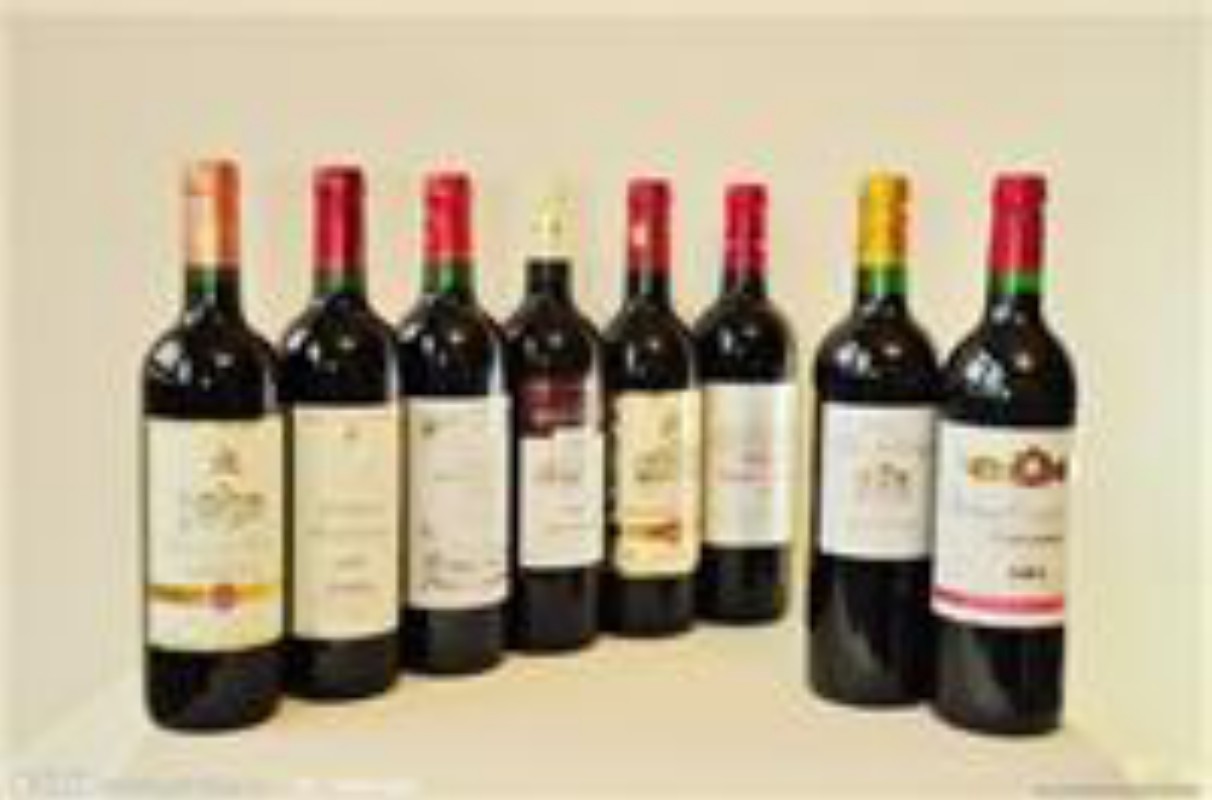
As a red wine enthusiast who has lived in Spain for many years, I’d like to share some insights about Spanish oak-aged red wines. Spanish oak-aged red wines occupy an important position in the global wine landscape, and their unique flavors and profound historical cultural heritage deserve our in-depth exploration of Spanish 240 Oak Red Wine.
The Charm of Oak Aging
The greatest characteristic of Spanish oak-aged red wines is the art of time. Traditional Spanish wineries typically use American oak barrels and French oak barrels for aging, with different oak barrels imparting distinct flavor characteristics to the red wine. American oak barrels bring more vanilla and coconut notes, while French oak barrels contribute more refined tannins and smoky aromas. In renowned regions like Rioja and Ribera del Duero, you’ll find many wineries still adhering to traditional aging methods.
Regional Characteristics Comparison
Oak-aged red wines from different regions each have their distinctive features. Here’s a comparison of the main regions:
| Region | Main Grape Varieties | Aging Characteristics | Typical Flavors |
|---|
| Rioja | Tempranillo | Extended oak barrel aging | Vanilla, leather, dried fruits |
| Ribera del Duero | Tempranillo | Modern and traditional combination | Rich fruit aromas, smoky notes |
| Priorat | Garnacha, Cariñena | Primarily French oak barrels | Minerals, spices |
Spain’s traditional oak aging classification system is also quite interesting. From young Joven to aged Gran Reserva, each level has strict aging time requirements. Crianza requires at least one year of oak barrel aging, Reserva needs three years of aging with at least one year in oak barrels, while Gran Reserva requires five years of aging with at least two years in oak barrels.
Tasting Tips to Share
When tasting Spanish oak-aged red wines, I recommend paying attention to the following points: First, don’t rush to open the bottle - let the wine breathe at proper temperature for about 30 minutes. Second, carefully observe the wine’s color; quality aged red wines typically display a deep ruby red hue. Regarding aromas, experience the primary, floral, and aged aromas in layers - the vanilla, coffee, and tobacco notes from oak barrels are important quality indicators.
Finally, when selecting Spanish oak-aged red wines, I suggest focusing on the winery’s history and reputation. Many century-old prestigious wineries like Marqués de Riscal and Vega Sicilia produce oak-aged red wines that are not only of exceptional quality but also carry profound cultural traditions. Of course, they’re relatively expensive, but absolutely worth the price. For those new to Spanish red wines, you can start with Crianza level wines to gradually experience the unique charm of oak aging.
