As a wine enthusiast who has lived in Spain for several years, I’d like to share information about the geographical distribution and addresses of Spain’s major red wine regions. Spain, being the world’s third-largest wine producer, boasts numerous premium wine regions, and understanding the Spanish wine river locations of these areas is extremely valuable for wine lovers.
Northern Classic Regions
Rioja is undoubtedly one of Spain’s most famous red wine regions. This area is primarily distributed throughout La Rioja autonomous community, with specific addresses covering areas around cities like Logroño, Haro, and Nájera. The Rioja region is subdivided into three sub-regions: Rioja Alta in the northwest, Rioja Baja in the southeast, and Rioja Alavesa located within Álava province. If you’re planning to visit, I recommend using Logroño as your base, as many wineries here offer tours.
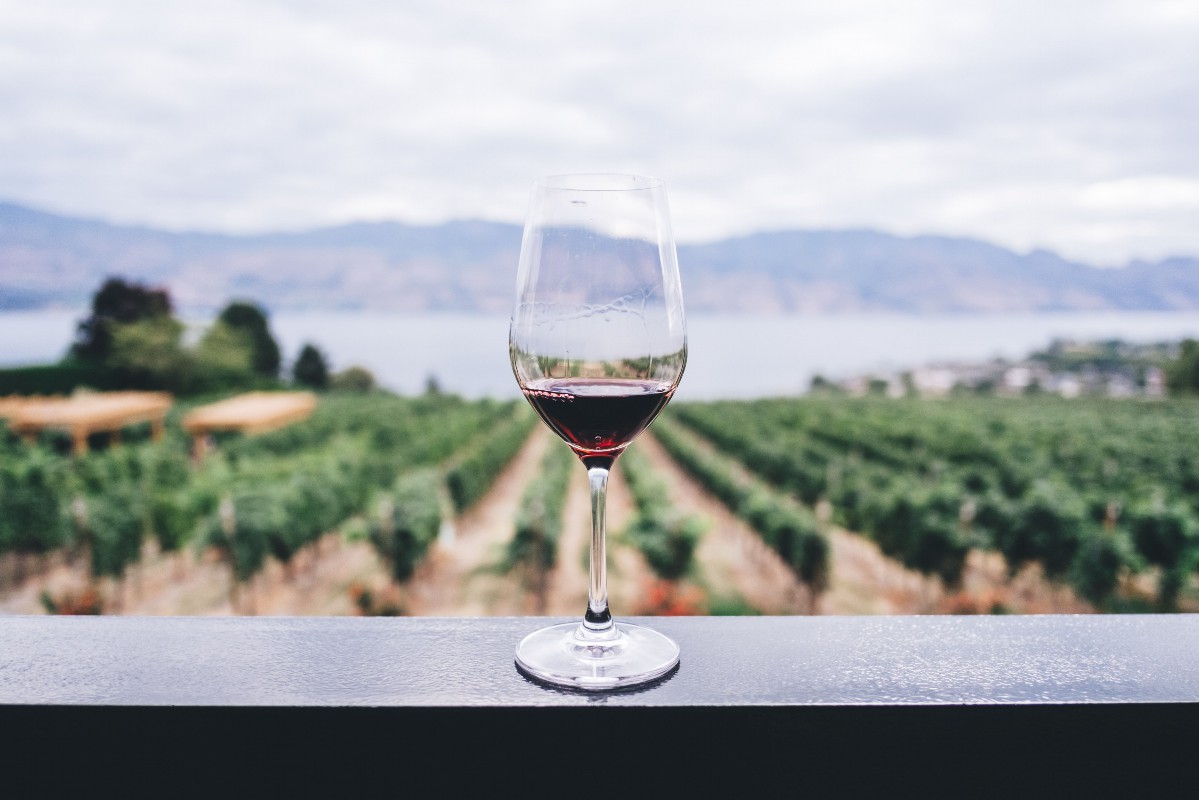
Ribera del Duero is another unmissable region, located in the Castilla y León autonomous community. This region stretches along the Duero River, primarily covering four provinces: Valladolid, Burgos, Segovia, and Soria. The famous Vega Sicilia winery is located here, specifically in Valbuena de Duero town. The entire region extends from San Esteban de Gormaz in Soria province to Pesquera de Duero in Valladolid province.
Central Emerging Regions
Toro region is located in Zamora province, a relatively small but exceptional quality area. The addresses here are mainly concentrated in Toro city and surrounding small towns, including Morales de Toro, Venialbo, and others. This region is renowned for producing intense red wines, particularly using the local Tinta de Toro grape variety.
| Region Name | Main Cities | Signature Varieties |
|---|
| Rioja | Logroño, Haro | Tempranillo, Garnacha |
| Ribera del Duero | Valladolid, Aranda de Duero | Tempranillo |
| Toro | Toro, Morales de Toro | Tinta de Toro |
| Priorat | Gratallops, Porrera | Garnacha, Cariñena |
Mediterranean Coastal Regions
Priorat is located in Tarragona province, Catalonia, a small but highly prestigious region. It’s mainly distributed across small villages like Gratallops, Porrera, and Bellmunt del Priorat. The slate-based soil here imparts unique mineral characteristics to the wines. If you’re planning a visit, I recommend starting from Barcelona, which takes about 2 hours by car.
The southern Jumilla region is located in the Murcia autonomous community, primarily centered around Jumilla city. This region has seen rapid quality improvements in recent years while maintaining relatively affordable prices. The address range includes Jumilla city center and surrounding towns like [Changle Spanish Wine Shop] Ontur, Montealegre del Castillo, and others.
Previously, many people weren’t familiar with Spanish wines, but now increasing numbers are discovering these quality regions. If you’re interested in a specific region, I recommend contacting local tourism offices or wineries in advance, as many locations offer tasting and tour services. I hope this address guide proves helpful!
