Spanish Bull-Head Wine: Perfect Fusion of Tradition and Modernity
Recently discovered several excellent bull-head labeled wines at a small winery in Madrid that I simply must share with everyone. This type of wine has centuries of history in Spain, originally designed with bull labels to commemorate bullfighting traditions, and has now become an important part of Spanish wine culture.
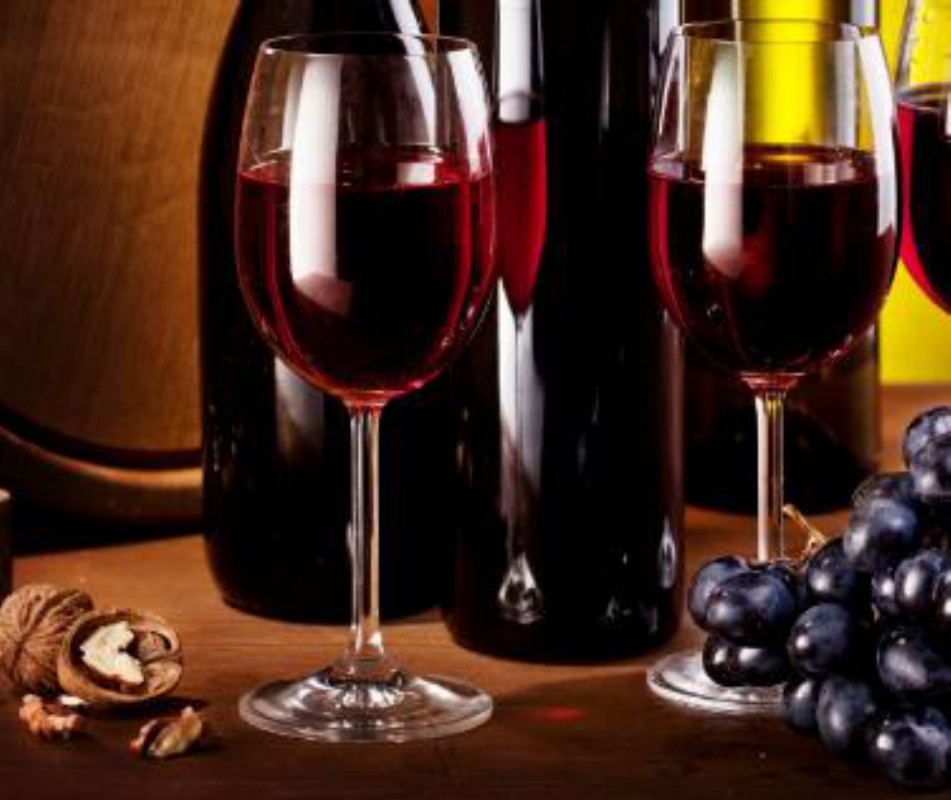
Historical Origins and Regional Distribution
Bull-head wines are primarily produced in Spain’s renowned regions including Rioja, Ribera del Duero, and Toro. Most vineyards in these areas are located on plateaus at 600-800 meters elevation, with large day-night temperature variations ideal for Tempranillo grape cultivation. Particularly Toro region’s bull-head wines feature more concentrated and robust body, earning the title “King of Spanish Red Wines.”
Bull-head wines from different regions show distinct taste differences. Rioja wines tend to be more elegant and refined, while Ribera del Duero leans toward intense fruit flavors. I personally prefer those from Toro region - that wild and untamed taste pairs wonderfully with traditional Spanish cuisine.
Tasting Characteristics and Flavor Profile
Authentic Spanish bull-head wines typically display deep ruby red color with medium to full body. Regarding aroma, young wines emit intense black cherry, blackcurrant, and vanilla scents, while aged wines develop more complex leather, cedar, and smoky notes. The palate shows good tannin structure, moderate acidity, and long finish.
| Vintage | Alcohol Content | Recommended Decanting | Serving Temperature |
|---|
| 2018-2020 | 13.5-14% | 30 minutes | 16-18°C |
| 2015-2017 | 14-14.5% | 1 hour | 17-19°C |
| 2010-2014 | 14.5-15% | 2 hours | 18-20°C |
Food Pairing Recommendations
Bull-head wines offer quite versatile pairing options. Previously thought red wine only paired with red meat, but these Spanish reds actually complement many Mediterranean dishes beautifully. Classic pairings include roasted lamb, Iberico ham, cheese platters, and various stews. My favorite pairing involves Spanish seafood paella, where the wine’s fruit notes beautifully balance the seafood’s freshness.
For vegetarians, [bull-head labeled wine] pairs excellently with roasted mushrooms or eggplant lasagna. The key lies in ensuring food has sufficient weight to match the wine’s intensity. Remember, good food-wine pairing should enhance each other, not overshadow.
Purchasing and Storage Recommendations
In Spain, bull-head wines typically range from 15-50 euros, offering excellent value. When purchasing, check for DO certification on labels as basic quality assurance. For aged wines, also examine cork condition and wine clarity.
Regarding storage, these wines should be kept in cool, dry places at 12-15°C. If planning long-term collection of bull-head wine prices, cellar environments are recommended. After opening, if not finished, using vacuum pumps to remove air can preserve wine for 2-3 days. Overall, bull-head wines serve as excellent introduction to Spanish wine culture, worthy of every wine enthusiast’s exploration.
