Spanish Wine Volume Labeling Standards
Recently while browsing wines at local supermarkets, I discovered an interesting phenomenon - many friends are asking whether Spanish wine bottles are labeled in milliliters. As a wine enthusiast who has lived in Spain for many years, I’d like to share some knowledge about this topic.
Yes, Spanish wines do indeed use ml as their volume unit identifier. According to unified EU standards, all wines sold within the European Union must use milliliters or liters to indicate volume. This applies not only to Spain, but throughout the entire EU, which adopts this standardized measurement system.
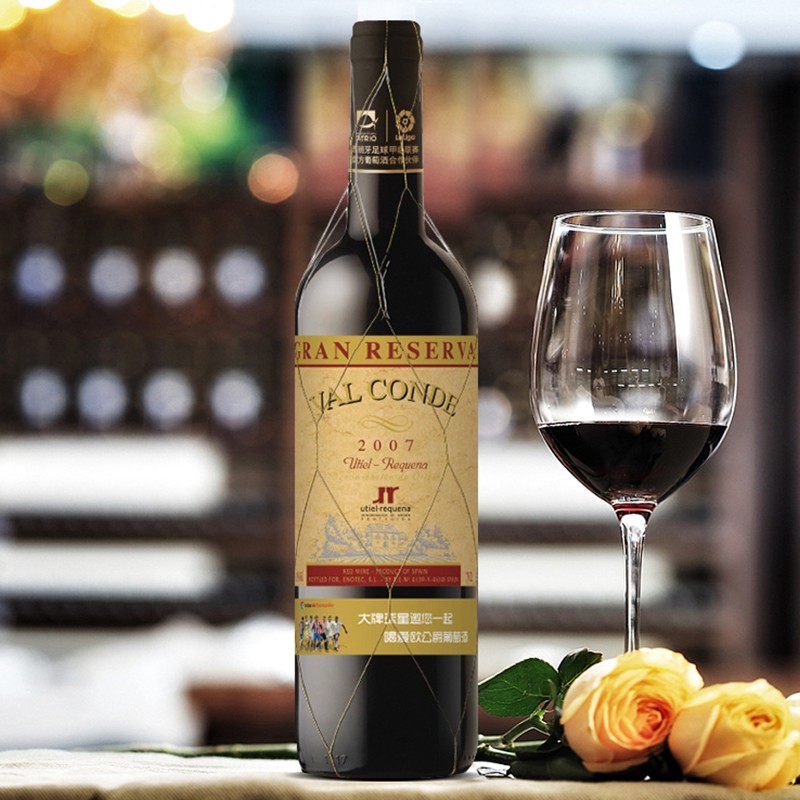
Common Spanish Wine Volume Specifications
In the Spanish market, wine volume specifications are quite standardized. Here are the most common specification comparisons:
| Volume Specification | Milliliter Quantity | Suitable Occasions |
|---|
| Standard Bottle | 750ml | Family dinners, daily consumption |
| Half Bottle | 375ml | Individual consumption, tasting |
| Large Bottle | 1500ml | Parties, festive celebrations |
| Mini Bottle | 187ml | Airline meals, hotel rooms |
Important Details When Purchasing
When buying Spanish wines, carefully checking the volume indication on labels is very important. Besides the standard 750ml bottles, some premium wineries offer products in special volumes. For example, certain DOC-level wines may use 500ml premium bottles, which are relatively expensive but of exceptional quality.
It’s worth noting that wines from different regions may have slight differences in packaging design. Traditional wineries in the Rioja region prefer dark glass bottles with classic label designs, while emerging regions like Rueda tend toward modern packaging styles.
Relationship Between Volume and Price
From a value perspective, standard 750ml bottles are usually the most economical choice. Calculating the price per milliliter reveals that while large-volume bottles have higher total prices, their unit costs are often lower. However, for everyday consumers, blindly pursuing large volumes isn’t wise, as opened wine needs to be consumed within an appropriate timeframe, otherwise it will affect taste and quality.
Through this analysis, I believe everyone now has a clearer understanding of Spanish wine volume labeling. Whether purchasing directly from local wineries or selecting at supermarkets, understanding this basic knowledge can help us make more informed consumer decisions.
